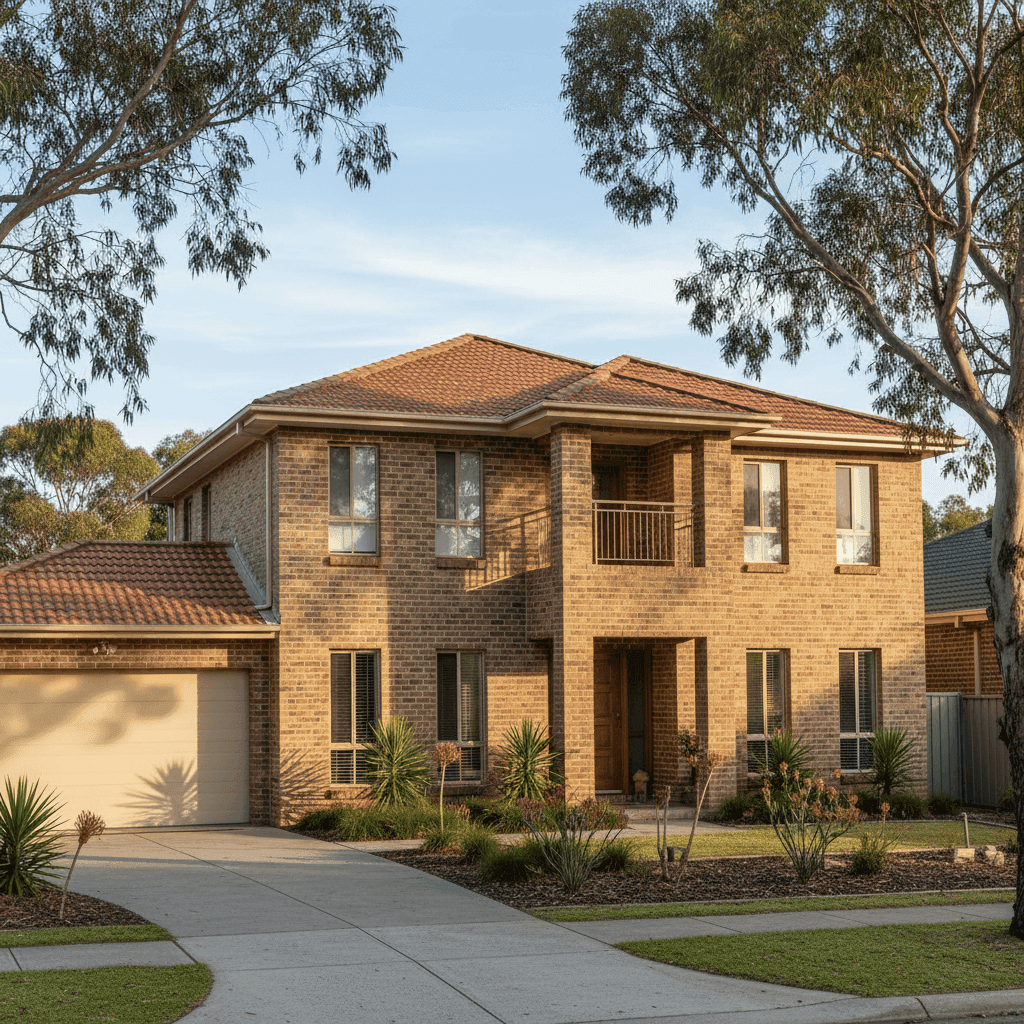
Fern Bay is a relaxed coastal suburb sitting on the shores of Port Stephens, just north of Newcastle. It's a popular choice for families seeking a quieter lifestyle without straying too far from city conveniences — and the housing stock reflects that, with a healthy mix of modern, well-appointed free standing homes. If you own a property here, understanding what you should be paying for home insurance is just as important as knowing the value of the home itself. This article breaks down a recent home and contents insurance quote for a 4-bedroom free standing home in Fern Bay, and puts the numbers into context so you can make a more informed decision.
---
Is This Quote Fair?
The quote in question comes in at $4,475 per year (or $429/month) for combined home and contents cover, with a building sum insured of $900,000 and contents valued at $80,000. Both the building and contents excess are set at $1,000.
Our price rating for this quote is Expensive — Above Average. That's not a label we apply lightly. Based on the data we've collected for Fern Bay (NSW 2295), the suburb average premium sits at $3,129/year, and the median is a notably lower $1,819/year. This quote lands well above both figures, and even exceeds the 75th percentile for the suburb ($2,829/year) — meaning it's pricier than at least three-quarters of the quotes we've seen in the area.
That said, context matters. A $900,000 building sum insured is on the higher end, and that alone will push premiums upward. The contents cover, at $80,000, is fairly standard for a well-furnished 4-bedroom home. The "above average" rating reflects the premium relative to comparable properties in the area — it's a signal worth taking seriously, but not necessarily a reason to panic.
---
How Fern Bay Compares
To get a clearer picture, it helps to zoom out and look at the broader benchmarks.
| Benchmark | Average Premium | Median Premium |
|---|---|---|
| Fern Bay (2295) | $3,129/yr | $1,819/yr |
| Port Stephens LGA | $3,116/yr | — |
| NSW State | $3,801/yr | $3,410/yr |
| National | $2,965/yr | $2,716/yr |
You can explore the full NSW state insurance data and national home insurance statistics on CoverClub.
A few things stand out here. First, the Fern Bay suburb average ($3,129) is actually slightly below the NSW state average ($3,801), suggesting that Fern Bay isn't inherently a high-risk or high-cost suburb to insure. Second, the quote of $4,475 exceeds even the NSW state average by more than $600 — which reinforces the "expensive" rating. Third, it's worth noting that our Fern Bay sample size is 16 quotes, which is a reasonable but not enormous dataset, so individual results can vary.
The national average of $2,965 provides another useful anchor. At $4,475, this quote is running roughly 51% above the national average — a meaningful gap that warrants investigation before simply accepting the premium at renewal.
---
Property Features That Affect Your Premium
Every insurer prices risk differently, but certain property characteristics consistently influence what you'll pay. Here's how this home's features stack up:
- Brick Veneer Walls: Brick veneer is generally viewed favourably by insurers. It offers solid fire resistance and durability, which can help moderate premiums compared to lightweight or timber-clad construction.
- Tiled Roof: Terracotta or concrete tiles are among the more resilient roofing options available. They perform well in storms and have a long lifespan, both of which insurers tend to reward with more competitive pricing.
- Slab Foundation: A concrete slab is a stable, low-maintenance foundation type. It doesn't carry the same subsidence or pest-related risks as older stumped or timber-framed foundations, which is a positive from an underwriting perspective.
- Construction Year (2010): A home built in 2010 is relatively modern and would have been constructed under contemporary building codes. This typically translates to better structural integrity and compliance with current safety standards — another tick in the insurer's favour.
- Above Average Fittings: This is one factor that will push premiums higher. Homes with above-average fixtures and fittings — think stone benchtops, quality cabinetry, premium flooring — cost more to rebuild or repair to the same standard. Insurers account for this in their pricing, particularly when calculating the building sum insured.
- Ducted Climate Control: Ducted air conditioning systems add to the replacement cost of a home and are factored into the building sum insured. They can also introduce claims risk if the system is damaged in a storm or fire event.
- 268 sqm Building Size: At 268 square metres, this is a generously sized home. Larger floor areas directly increase the cost to rebuild, which flows through to a higher building sum insured — and in turn, a higher premium.
- No Pool or Solar Panels: The absence of a pool removes a source of liability and maintenance-related claims. No solar panels means one fewer system that could be damaged in a hail or storm event. Both factors help keep the risk profile clean.
---
Tips for Homeowners in Fern Bay
If you're looking to get better value from your home insurance without compromising on cover, here are some practical steps worth considering:
- Shop around before your renewal date. The single most effective thing you can do is compare quotes from multiple insurers. Premiums for the same property can vary by hundreds — sometimes thousands — of dollars depending on the provider. Use a comparison tool like CoverClub to see what the market is actually offering.
- Review your building sum insured carefully. A $900,000 sum insured is significant. Make sure it reflects the actual cost to rebuild your home (not its market value), including demolition, debris removal, and professional fees. Overinsuring drives up your premium unnecessarily, while underinsuring leaves you exposed. A quantity surveyor can provide an accurate rebuild estimate if you're unsure.
- Consider a higher excess. If you're in a financial position to absorb a larger out-of-pocket cost in the event of a claim, increasing your excess from $1,000 to $2,000 or more can meaningfully reduce your annual premium. Just make sure the saving justifies the additional risk you're taking on.
- Check for discounts you might be missing. Many insurers offer loyalty discounts, bundling discounts (for combining home and contents), or reductions for homes with security systems, smoke alarms, or other safety features. It's worth asking your insurer directly what discounts apply to your policy — and whether competitors are offering more.
---
Compare Your Options with CoverClub
A quote is just a starting point. Whether you're renewing an existing policy or insuring a new home in Fern Bay, the best way to know if you're getting a fair deal is to compare. At CoverClub, we make it easy to benchmark your premium against real data from your suburb, your state, and across Australia. Get a quote today and find out if there's a better deal waiting for you.