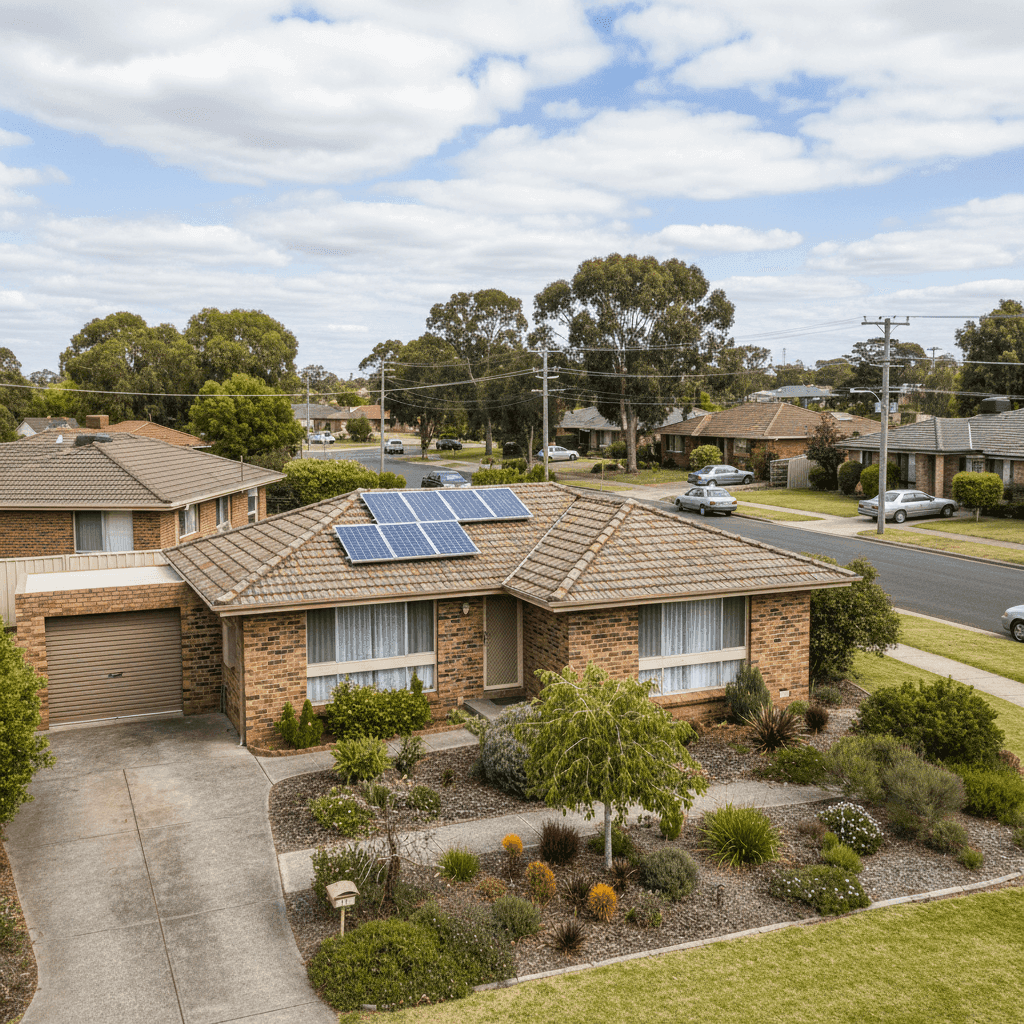
Nestled in the foothills of the Dandenong Ranges, Ferntree Gully is a well-established suburb in Melbourne's outer east. Its leafy streetscapes and family-friendly character make it a popular choice for homeowners — but that same bushland setting means home insurance is a serious consideration. This article breaks down a real home and contents insurance quote for a four-bedroom, free-standing brick veneer home in Ferntree Gully (VIC 3156), and puts the numbers in context so you can judge whether your own policy stacks up.
---
Is This Quote Fair?
The annual premium for this property comes in at $1,357 per year (or about $146 per month), covering a building sum insured of $767,000 and contents valued at $247,000. Our independent price rating for this quote is Fair — Around Average.
That assessment holds up when you look at the local data. The suburb average for Ferntree Gully sits at $1,353 per year, with a median of $1,328 per year — meaning this quote is essentially right on the money. It's just $4 above the suburb average, which is a negligible difference.
To put the spread in perspective, premiums in the 3156 postcode range from around $914/yr at the 25th percentile up to $1,595/yr at the 75th percentile. At $1,357, this quote lands comfortably in the middle of that range — not the cheapest available, but well short of what some homeowners in the same suburb are paying.
One thing worth noting is the building excess of $4,000, which is on the higher side. A higher excess typically lowers your premium, so if this figure were reduced, you'd likely see the annual cost nudge upward. The contents excess of $500 is more standard.
---
How Ferntree Gully Compares
Zooming out to a broader view, this quote looks increasingly competitive.
| Benchmark | Average Premium |
|---|---|
| Ferntree Gully (suburb avg) | $1,353/yr |
| LGA — City of Knox | $2,142/yr |
| Victoria (state avg) | $3,000/yr |
| National average | $5,347/yr |
The Victorian state average of $3,000 per year is more than double this quote — a significant gap. Part of that difference reflects the diversity of properties and risk profiles across the state, including high-value homes, flood-prone areas, and coastal properties that tend to attract steeper premiums.
At the national level, the picture is even more striking. The national average of $5,347 per year is nearly four times this quote. Much of that is driven by premium-heavy markets in Queensland and Northern Australia, where cyclone and flood risk push costs dramatically higher. With no cyclone risk designation in Ferntree Gully, homeowners here benefit from a more moderate risk profile by comparison.
Even against the City of Knox LGA average of $2,142 per year, this quote performs well — coming in roughly 37% below that benchmark. It's a reminder that averages across a local government area can mask significant variation between individual suburbs.
---
Property Features That Affect Your Premium
Several characteristics of this property influence how insurers assess and price the risk.
Brick veneer construction is generally viewed favourably by insurers. It offers solid fire resistance and structural durability, which tends to translate into more competitive premiums compared to timber-framed or weatherboard homes — a relevant consideration in a bushfire-adjacent suburb like Ferntree Gully.
A tiled roof is another positive signal. Tiles are durable, fire-resistant, and less susceptible to storm damage than some alternatives, which helps keep premiums in check.
Solar panels add a layer of complexity to home insurance. They increase the replacement value of the property and can be a source of claims if damaged by hail, fire, or storm. It's worth confirming with your insurer that your solar system is explicitly covered under your building policy — not all policies include it by default, and the inverter (often located inside) may need to be listed separately.
Ducted climate control is another fixed asset that contributes to the building sum insured. At $767,000, the sum insured for this property reflects the cost of rebuilding a 214 sqm home with standard fittings, including these integrated systems.
The slab foundation is a practical choice common to homes built in the late 1980s and is generally considered low-risk from an insurance standpoint. The 1989 construction date places this home in an era before modern bushfire-resistant building codes, which may be a factor some insurers weigh when assessing properties in the Dandenong Ranges foothills.
---
Tips for Homeowners in Ferntree Gully
1. Review your bushfire preparedness annually Ferntree Gully sits close to Bushfire Management Overlay areas. Some insurers apply loadings for properties in or near designated bushfire zones. Keeping your property well-maintained — cleared gutters, managed vegetation, and ember-proofed vents — not only reduces your risk but can support your case when negotiating with insurers.
2. Confirm your solar panels are covered As noted above, solar systems are not automatically covered under every home insurance policy. Check your Product Disclosure Statement (PDS) carefully, and if your system isn't listed, ask your insurer to add it. Given the cost of replacing panels and an inverter, this is a gap you don't want to discover at claim time.
3. Don't set-and-forget your sum insured Building costs in Victoria have risen sharply in recent years. The cost to rebuild a 214 sqm brick veneer home today may be meaningfully higher than it was when your policy was first set up. Use a building cost calculator or speak with a quantity surveyor to make sure your $767,000 sum insured still reflects current construction costs — underinsurance is one of the most common and costly mistakes homeowners make.
4. Compare before you renew Loyalty doesn't always pay in insurance. Insurers frequently offer better rates to new customers than to existing ones. Before your renewal date, take 10 minutes to run a comparison — you may find a similar level of cover at a noticeably lower price.
---
Ready to Compare Home Insurance in Ferntree Gully?
Whether you're reviewing an existing policy or shopping for the first time, it pays to see what's available. CoverClub makes it easy to compare home and contents insurance quotes for your specific property. Enter your address and get started today — it only takes a few minutes and could save you hundreds.
For more data on insurance costs in your area, explore the Ferntree Gully suburb stats, Victorian averages, or the national overview.