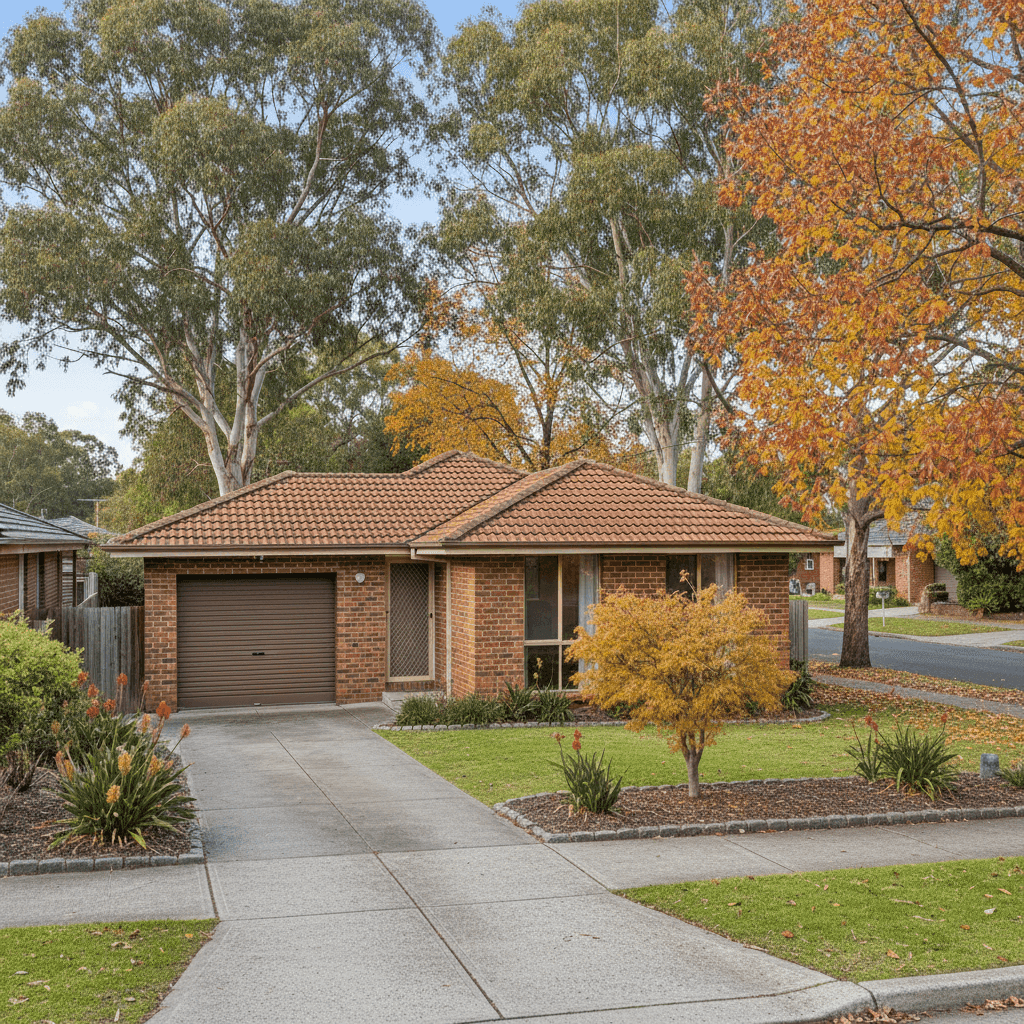
Ferntree Gully, nestled at the foothills of the Dandenong Ranges in Melbourne's outer east, is a well-established suburb known for its leafy streets and a mix of older and newer housing stock. For owners of a free standing home in this area, understanding what you should be paying for home and contents insurance — and why — can make a real difference to your budget and your peace of mind.
This article breaks down a real insurance quote for a 2-bedroom, 1-bathroom free standing home in Ferntree Gully (VIC 3156), comparing it against local, state, and national benchmarks to help you decide whether your own premium stacks up.
---
Is This Quote Fair?
The quote in question comes in at $1,004 per year (or about $96/month) for combined home and contents cover, with a building sum insured of $500,000 and contents valued at $50,000. CoverClub's pricing analysis rates this quote as FAIR — around average for the area.
So what does "fair" actually mean here? It means the premium sits comfortably within the typical range for comparable properties in Ferntree Gully — not the cheapest on the market, but certainly not inflated either. With a building excess of $4,000 and a contents excess of $1,000, the higher-than-standard building excess is likely one of the factors keeping the annual premium below the suburb average.
For homeowners who are comfortable covering smaller claims out of pocket, a higher excess is a legitimate strategy to reduce ongoing premium costs. Just make sure your emergency fund can absorb that $4,000 if something goes wrong.
---
How Ferntree Gully Compares
To put this quote in proper context, here's how it measures up across different benchmarks:
| Benchmark | Premium |
|---|---|
| This Quote | $1,004/yr |
| Ferntree Gully Suburb Average | $1,353/yr |
| Ferntree Gully Suburb Median | $1,328/yr |
| Ferntree Gully 25th Percentile | $914/yr |
| Ferntree Gully 75th Percentile | $1,595/yr |
| LGA (Casey) Average | $2,142/yr |
| VIC State Average | $3,000/yr |
| National Average | $5,347/yr |
A few things stand out immediately. At $1,004, this quote is $349 below the suburb average and sits in the lower half of the local price range — closer to the 25th percentile ($914) than the 75th ($1,595). That's a meaningful saving compared to what many Ferntree Gully homeowners are paying.
The contrast with state and national figures is even more striking. The Victorian state average sits at $3,000/year, nearly three times this quote. The national average of $5,347 is influenced heavily by high-risk regions — particularly in Queensland, Western Australia, and the Northern Territory, where cyclone, flood, and storm risk drive premiums significantly higher. Victoria, and Ferntree Gully in particular, benefits from a relatively benign risk profile compared to those areas, which is reflected in the more modest local premiums.
Based on 28 quotes sampled in the suburb, the data paints a clear picture: this is a competitive premium for the postcode.
---
Property Features That Affect Your Premium
Several characteristics of this particular property work in the homeowner's favour from an insurance pricing perspective.
Brick veneer construction is generally viewed favourably by insurers. While not as robust as full double brick, brick veneer walls offer solid fire resistance and durability — a meaningful consideration in an area that borders bushland. Compared to weatherboard or timber-clad homes, brick veneer properties typically attract lower premiums.
Tiled roofing is another positive. Terracotta or concrete tiles are durable, fire-resistant, and weather well over time. They're considered lower risk than older corrugated iron or asbestos cement sheeting, which is common on homes of a similar era in the region.
The 1960 construction date is worth noting. Older homes can sometimes attract higher premiums due to ageing electrical wiring, plumbing, and structural components. However, a well-maintained brick veneer home from this era is generally still considered insurable at standard rates, particularly when the building sum insured ($500,000) is set at a realistic replacement cost.
The property sits on stumps (pier and beam foundation), which is typical for homes of this age in the Dandenong foothills. Stump foundations can be susceptible to movement over time, particularly in areas with reactive clay soils, so it's worth ensuring your policy covers subsidence or foundation movement if that's a concern.
Ducted climate control adds modest value to the contents and building sum, and is correctly factored into the insured amounts. There's no pool or solar panel system to complicate the risk profile, keeping things straightforward for the insurer.
At 123 sqm, the home is on the smaller side, which generally aligns well with a $500,000 building sum insured — though it's always worth getting an independent building replacement cost estimate to make sure you're not underinsured.
---
Tips for Homeowners in Ferntree Gully
1. Review your building sum insured regularly Construction costs have risen sharply in recent years. A sum insured that was adequate two years ago may no longer cover a full rebuild today. Use a building cost calculator or speak with a quantity surveyor to confirm your coverage is still appropriate.
2. Consider your bushfire risk Ferntree Gully borders the Dandenong Ranges, an area with a recognised bushfire risk. Check whether your policy includes adequate cover for bushfire damage, and review the Bushfire Attack Level (BAL) rating for your property. Some insurers apply loadings or exclusions in higher BAL zones, so it pays to read the fine print.
3. Use your excess strategically As demonstrated by this quote, opting for a higher building excess can noticeably reduce your annual premium. If you have savings set aside for emergencies, this can be a smart trade-off — just don't set it so high that a mid-sized claim becomes financially painful.
4. Compare quotes before renewing Loyalty doesn't always pay in the insurance industry. Insurers frequently offer better rates to new customers than to existing ones. Before your renewal date, run a fresh quote on CoverClub to see whether you're still getting a competitive deal — or whether it's time to switch.
---
Ready to Compare Your Own Quote?
Whether you're buying a new policy or reviewing your current one, comparing quotes is the single most effective way to avoid overpaying. CoverClub makes it easy to benchmark your premium against real data from your suburb, so you always know where you stand. Enter your address and get started today.