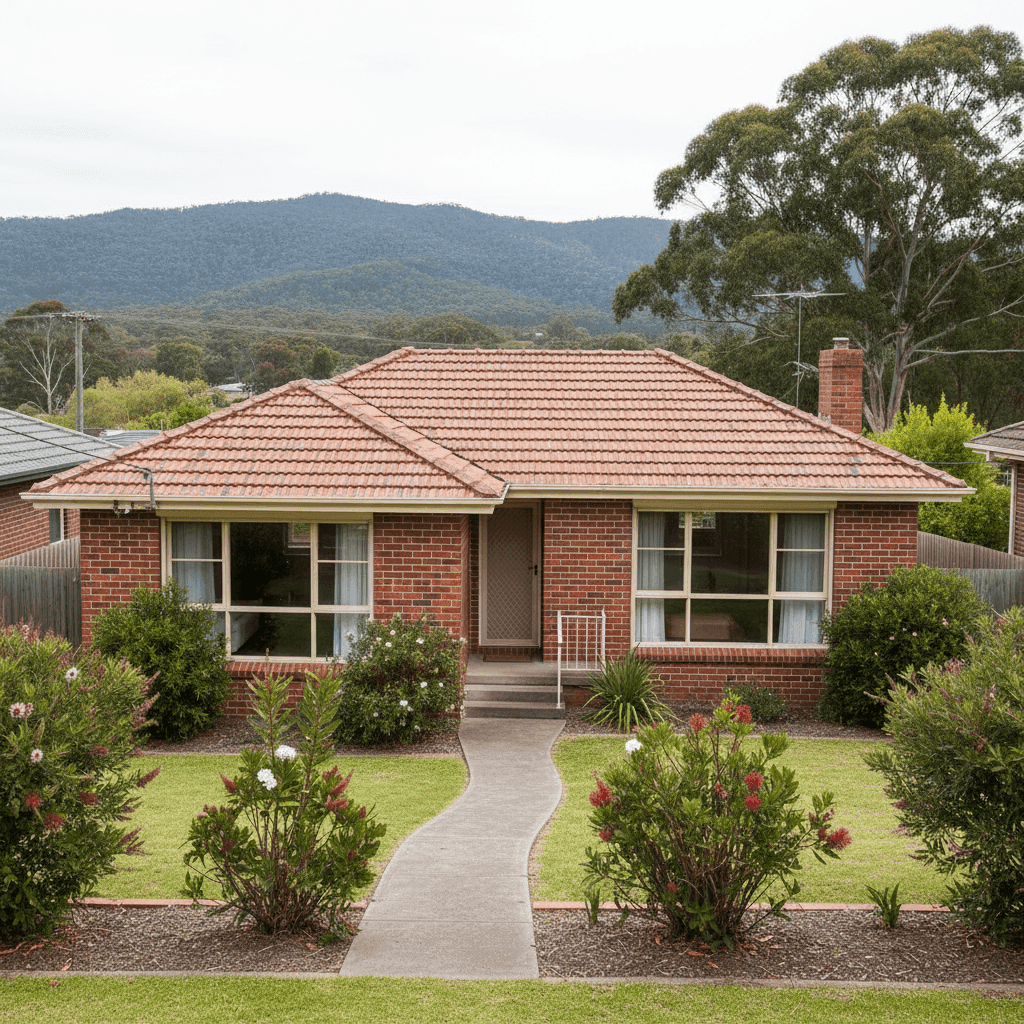
Nestled in the foothills of the Dandenong Ranges, Ferntree Gully is a well-established suburb in Melbourne's outer east — and like much of the region, home insurance here comes with its own set of considerations. This article takes a close look at a real home and contents insurance quote for a 2-bedroom, brick veneer free standing home in Ferntree Gully (VIC 3156), and puts it in context against suburb, state, and national benchmarks.
---
Is This Quote Fair?
The annual premium for this property came in at $854 per year (or around $80/month), covering both building ($500,000 sum insured) and contents ($70,000). Based on our pricing data, this quote has been rated CHEAP — meaning it sits below the suburb average, which is a strong result for the homeowner.
To put that in perspective:
- The suburb average for Ferntree Gully is $1,353/year
- The suburb median sits at $1,328/year
- The 25th percentile — meaning only 25% of quotes are cheaper — is $914/year
At $854, this quote actually falls below the 25th percentile, meaning it's cheaper than at least 75% of comparable quotes we've seen in the area. That's a genuinely competitive result and suggests the insurer has priced this property favourably given its characteristics.
Of course, it's worth noting the building excess is set at $4,000, which is on the higher side. A higher excess typically reduces the annual premium, so part of the savings here may come from accepting more out-of-pocket cost in the event of a claim. The contents excess of $1,000 is more standard. Homeowners should weigh up whether the lower premium justifies the higher excess based on their financial situation.
---
How Ferntree Gully Compares
Understanding how your suburb stacks up against broader benchmarks is useful context when evaluating any insurance quote. Here's how Ferntree Gully's home insurance costs compare:
| Benchmark | Average Premium | Median Premium |
|---|---|---|
| Ferntree Gully (3156) | $1,353/yr | $1,328/yr |
| LGA (Casey) | $2,142/yr | — |
| Victoria | $3,000/yr | $2,718/yr |
| National | $5,347/yr | $2,764/yr |
A few things stand out here. First, Ferntree Gully premiums are significantly lower than the Victorian state average of $3,000/year — less than half, in fact. This is likely a reflection of the suburb's relatively lower exposure to the catastrophic weather events (such as cyclones and major flooding) that drive up premiums in other parts of the country.
Interestingly, the national average premium of $5,347/year is heavily skewed by high-risk regions in Queensland, Western Australia, and the Northern Territory, where cyclone and flood exposure can push premiums into the thousands. The national median of $2,764/year is a more representative figure for typical Australian homeowners.
Compared to the broader Victorian insurance market, Ferntree Gully sits in a relatively affordable band — though residents should still be mindful of bushfire risk, which we'll touch on below.
---
Property Features That Affect Your Premium
Several characteristics of this property are worth examining through an insurance lens:
Brick Veneer Walls Brick veneer is one of the most common external wall materials in Australian suburbia, and insurers generally view it favourably. It offers good fire resistance compared to weatherboard or timber cladding, which can help moderate premiums. However, brick veneer homes on stumps (as this one is) can be more susceptible to movement and cracking over time, which may influence how insurers assess structural risk.
Tiled Roof Terracotta or concrete tiles are a durable and widely accepted roofing material. They perform well in moderate weather and are less prone to damage from embers than corrugated iron in some configurations. That said, older tiled roofs — particularly on a home built in 1960 — may have aged components that could increase the cost of repair or replacement.
Stump Foundation This property sits on stumps, which was a very common construction method for homes built in the mid-20th century in Victoria. Stumped homes can be more vulnerable to subsidence, pest damage (particularly termites), and movement over time. Some insurers factor this into their risk assessment, though the impact varies.
Age of Construction (1960) At over 60 years old, this home is well into vintage territory. Older homes can carry higher rebuild costs due to non-standard materials, outdated wiring or plumbing, and the need for heritage-compliant repairs. The $500,000 building sum insured appears reasonable for a 123 sqm home in this area, but it's worth periodically reviewing whether this figure keeps pace with rising construction costs.
Ducted Climate Control The presence of ducted heating and cooling adds to the contents and fixtures value of the home. This is correctly reflected in the sum insured, and homeowners should ensure their policy covers the cost of replacing this system if damaged.
Bushfire Proximity Ferntree Gully sits at the urban-bushland interface near the Dandenong Ranges National Park. While this property is not in a designated cyclone risk area, bushfire risk is a real consideration for this suburb. Most standard home insurance policies include fire cover, but it's worth confirming the specifics of your policy — particularly any exclusions or waiting periods around declared fire events.
---
Tips for Homeowners in Ferntree Gully
1. Review your building sum insured annually Construction costs have risen sharply in recent years. A home built in 1960 may have unique features that are expensive to replicate. Use a building cost calculator or speak to a quantity surveyor to ensure you're not underinsured — a common and costly mistake.
2. Understand your excess before you commit The $4,000 building excess on this quote is higher than typical. While it contributes to a lower annual premium, make sure you can comfortably cover that amount out of pocket if you need to make a claim. If cash flow is a concern, it may be worth comparing quotes with a lower excess.
3. Take bushfire preparedness seriously Living near the Dandenong Ranges means bushfire season is a genuine annual risk. Maintain a defendable space around your property, clear gutters regularly, and check that your policy specifically covers bushfire damage without restrictive conditions.
4. Don't set-and-forget your contents value $70,000 in contents cover is a reasonable starting point, but it's easy to accumulate more than you realise over the years. Do a room-by-room inventory periodically to make sure your electronics, furniture, appliances, and valuables are all accounted for.
---
Compare Quotes and Find a Better Deal
Whether you're renewing your current policy or shopping around for the first time, it pays to compare. The quote analysed here is a strong result — but every property is different, and premiums can vary significantly between insurers even for the same home. Get a home insurance quote through CoverClub to see how your property compares and find the most competitive cover for your needs.