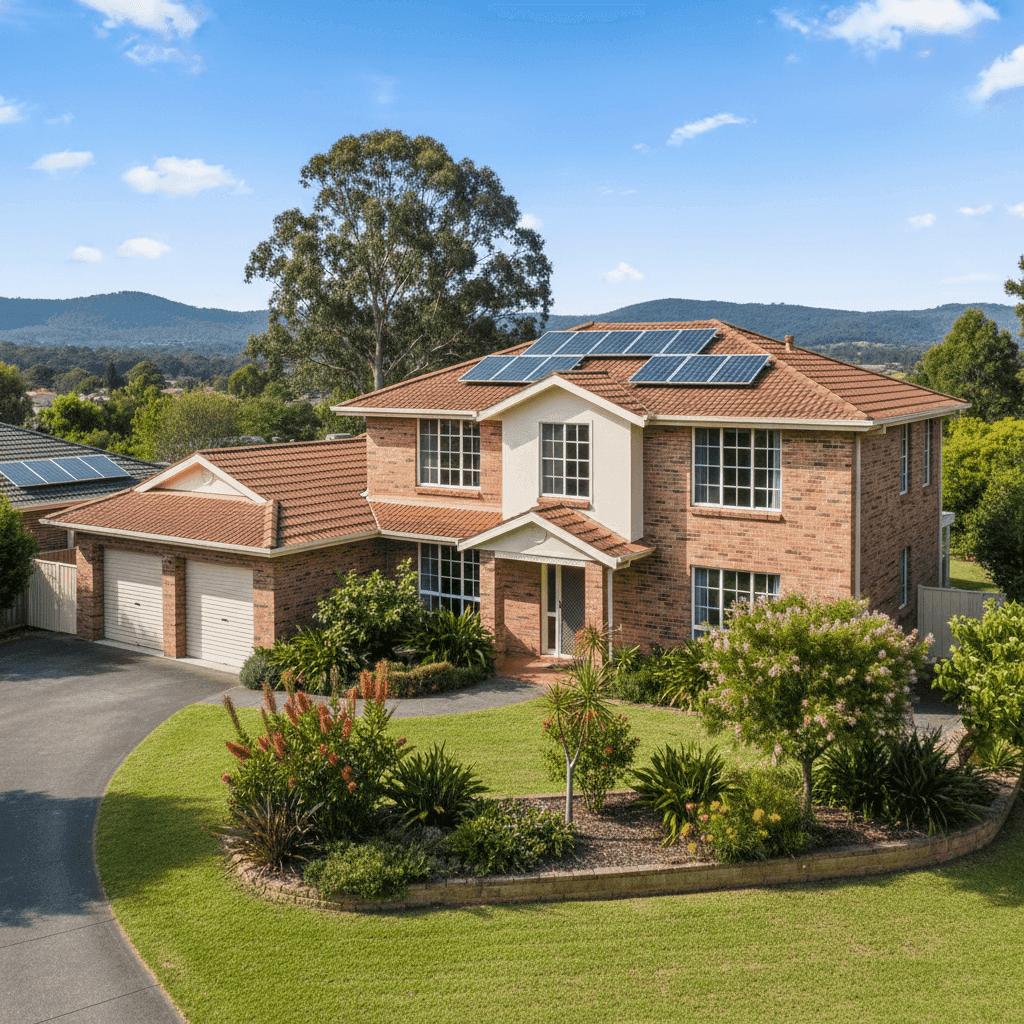
If you own a free standing home in Figtree, NSW 2525, you already know it's a well-established suburb in the Wollongong region — leafy streets, solid brick homes, and a community that's been around long enough for the trees to grow tall. But when it comes to home insurance, "established" doesn't always mean "affordable." This article breaks down a real home and contents insurance quote for a 5-bedroom property in Figtree, compares it against local, state, and national benchmarks, and offers practical tips to help you get better value on your cover.
---
Is This Quote Fair?
The quote in question comes in at $36,227 per year (or $3,535/month) for a combined home and contents policy — with a building sum insured of $1,000,000 and contents valued at $125,000. The building excess is $3,000 and the contents excess is $1,000.
Our price rating for this quote is EXPENSIVE (Above Average).
To put that in perspective: the average annual premium for home insurance in Figtree sits at around $3,080, and the median is just $2,106. This quote is more than ten times the suburb median — a significant gap that warrants a closer look.
The high premium is largely driven by the $1,000,000 building sum insured, which is well above what most comparable properties in the area are insured for. A 345 sqm brick veneer home built in 1980 is a substantial dwelling, but whether a seven-figure rebuild cost is accurate — or whether it's been over-estimated — is worth reviewing with a qualified quantity surveyor or using an online building calculator. Over-insurance is one of the most common and costly mistakes homeowners make.
That said, the quote isn't entirely out of step with the upper end of the market. The 75th percentile for Figtree premiums is $4,313/year, meaning 25% of quotes in the suburb do exceed that figure. For very large homes with high sums insured, premiums in the $30,000+ range are not unheard of — but they should still be shopped around carefully.
---
How Figtree Compares
Here's how this quote stacks up against broader benchmarks:
| Benchmark | Annual Premium |
|---|---|
| This Quote | $36,227 |
| Figtree Suburb Average | $3,080 |
| Figtree Suburb Median | $2,106 |
| Figtree 25th Percentile | $1,394 |
| Figtree 75th Percentile | $4,313 |
| LGA (Wollongong) Average | $2,751 |
| NSW State Average | $3,801 |
| NSW State Median | $3,410 |
| National Average | $2,965 |
| National Median | $2,716 |
You can explore more data for this area on the Figtree suburb insurance stats page, or broaden your view with the NSW state overview and national insurance statistics.
Even accounting for the large building sum insured, this quote is significantly above every benchmark listed. The NSW state average of $3,801 is itself higher than the national average ($2,965), reflecting the elevated risk and property values across much of New South Wales — but this quote eclipses even those figures by a wide margin.
---
Property Features That Affect Your Premium
Several characteristics of this property have a direct bearing on the premium calculated:
Brick Veneer Construction Brick veneer is one of the more common wall types in Australian suburban homes of this era, and it's generally viewed favourably by insurers. It offers reasonable fire resistance and structural durability. However, it can be more costly to repair or rebuild than some modern lightweight construction — a factor that flows through to higher sums insured.
Tiled Roof Terracotta or concrete tile roofs are standard across Wollongong-area homes. They're durable and long-lasting, but individual tiles can crack or shift over time, particularly on a home built in 1980. Insurers may factor in the age-related maintenance risk of an older tiled roof.
Slab Foundation Concrete slab foundations are generally considered low-risk by insurers. They're not susceptible to the subfloor moisture issues that can affect older homes on stumps or piers, which is a positive from an underwriting perspective.
Solar Panels The presence of solar panels adds a modest layer of complexity to a home insurance policy. Panels themselves can be damaged by hail, storm, or fire, and their replacement cost should be factored into your building sum insured. Some insurers cover panels automatically under building cover; others require a specific endorsement — so it's worth confirming exactly what's included.
Ducted Climate Control A ducted heating and cooling system is a significant fixed asset and forms part of the building. Its replacement cost should be reflected in the building sum insured. For a 345 sqm home, a full ducted system can cost $15,000–$30,000 or more to replace, so it's important this is accounted for — but not double-counted.
Property Age (1980) A home built over 40 years ago may have older electrical wiring, plumbing, and roofing components that increase the likelihood of a claim. Some insurers apply age-based loading to premiums for homes in this vintage range.
Size (345 sqm) At 345 sqm, this is a large family home. Rebuild costs scale with floor area, so a larger home naturally commands a higher sum insured — and therefore a higher premium. It's worth ensuring your sum insured reflects the actual rebuild cost (not the market value), using a current building cost estimate.
---
Tips for Homeowners in Figtree
1. Review Your Building Sum Insured The single most impactful thing you can do is verify whether $1,000,000 accurately reflects your home's rebuild cost — not its market value. Use the Cordell Sum Sure calculator or consult a quantity surveyor. If your rebuild cost is closer to $700,000–$800,000, you could save thousands annually without reducing your protection.
2. Compare Multiple Insurers Premiums for the same property can vary dramatically between insurers. With a quote this far above the suburb average, there's a strong case for shopping around. Get a comparison quote through CoverClub to see what other providers are offering for your specific property profile.
3. Consider a Higher Excess Opting for a higher building excess (e.g., $5,000 instead of $3,000) can meaningfully reduce your annual premium. If you have the financial buffer to absorb a larger out-of-pocket cost in the event of a claim, this is often a smart trade-off for lower ongoing premiums.
4. Bundle Strategically — But Check the Maths Many insurers offer discounts for bundling home and contents cover under a single policy. This quote already combines both, which is common practice. However, it's still worth pricing them separately with different providers to ensure the bundle is genuinely delivering value, not just convenience.
---
Ready to Compare?
Whether you're reviewing an existing policy or shopping for the first time, CoverClub makes it easy to see how your quote stacks up. Explore insurance data for Figtree and surrounding suburbs, then get a personalised quote to find cover that actually fits your home — and your budget.