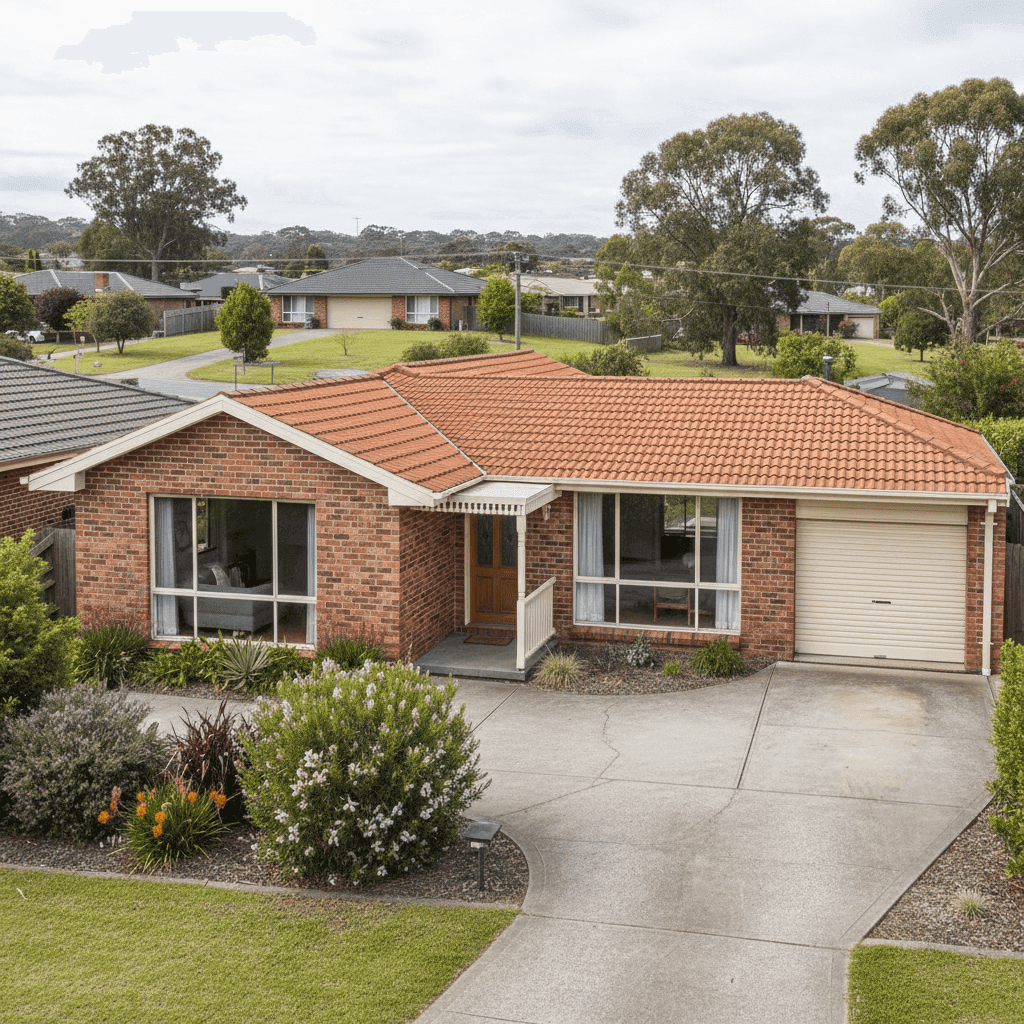
Figtree is a well-established residential suburb in the Wollongong local government area, sitting about 5 kilometres south-west of Wollongong's CBD. Known for its leafy streets, proximity to the Illawarra Escarpment, and solid mix of family homes, it's the kind of suburb where property values — and insurance costs — are worth keeping a close eye on. This article breaks down a real building insurance quote for a free-standing home in Figtree, examining whether the price is competitive and what factors are likely driving it.
---
Is This Quote Fair?
The annual premium for this quote comes in at $1,622 per year (or $155/month), covering building only on a 3-bedroom, 2-bathroom brick veneer home with a sum insured of $450,000. According to our pricing data, this quote is rated CHEAP — below average for the area.
To put that in perspective:
- The suburb median for Figtree (postcode 2525) is $2,474/yr
- The 25th percentile sits at $1,773/yr
This quote comes in below the 25th percentile, meaning it's cheaper than at least 75% of comparable quotes in the suburb. That's a strong result. For homeowners who've been paying closer to the median or above, this benchmark suggests there may be meaningful savings on the table by shopping around.
It's worth noting that the suburb average of $35,657/yr is dramatically higher than the median — a sign that a small number of very high quotes (possibly for high-value or high-risk properties) are skewing the mean significantly. The median of $2,474/yr is a far more representative figure for a typical Figtree home, and this quote beats it comfortably.
---
How Figtree Compares
Understanding your premium in isolation only tells part of the story. Here's how Figtree stacks up against broader benchmarks:
| Benchmark | Median Premium |
|---|---|
| Figtree (2525) | $2,474/yr |
| Wollongong LGA | $2,751/yr |
| NSW State | $3,770/yr |
| National | $2,764/yr |
Figtree's median sits below the NSW state median and also slightly below the national median — suggesting that, broadly speaking, insuring a home in this suburb is more affordable than in many other parts of New South Wales. This is consistent with Figtree's relatively low exposure to extreme weather events compared to coastal or flood-prone parts of the state.
You can explore the full breakdown of Figtree insurance statistics, compare against all NSW suburbs, or see where Figtree sits on the national insurance landscape.
---
Property Features That Affect Your Premium
Every home is different, and insurers weigh up a range of property characteristics when calculating your premium. Here's how the features of this particular home are likely influencing the price:
Brick Veneer Walls
Brick veneer is one of the most common external wall materials in Australian suburbs built from the 1980s through to the 2000s. Insurers generally view it favourably — it's durable, fire-resistant, and relatively straightforward to repair or rebuild. Compared to weatherboard or other timber-based cladding, brick veneer typically attracts lower premiums.
Tiled Roof
A tiled roof — whether concrete or terracotta — is considered a low-to-moderate risk by most insurers. Tiles are long-lasting and perform well in most weather conditions. They can be more expensive to repair than Colorbond metal roofing if individual tiles crack or slip, but overall they're a well-regarded roofing material from an underwriting perspective.
Stump Foundation
This home sits on stumps, which is a traditional foundation type common in older and mid-century Australian homes. Stumped foundations can introduce some additional risk around subsidence or movement over time, particularly on sloped blocks — which are not uncommon in the Illawarra region. It's worth ensuring your policy covers gradual movement or subsidence if this is a concern.
Construction Year: 1995
A home built in 1995 is now around 30 years old. It's old enough to have some wear on key systems (roofing, plumbing, electrical), but not so old as to raise major flags with insurers. Homes of this era were generally built to solid standards and don't carry the same risk profile as pre-1970s properties.
Ducted Climate Control
The presence of ducted climate control adds to the replacement value of the home, and is factored into the sum insured calculation. At $450,000, the building sum insured appears reasonable for a 139 sqm brick veneer home in this area, though it's always worth reviewing this figure annually to ensure it reflects current rebuilding costs.
No Pool, No Solar Panels
The absence of a pool and solar panels removes two common sources of additional premium loading. Both can add complexity and cost to an insurance profile, so their absence here likely contributes to the competitive pricing.
---
Tips for Homeowners in Figtree
Whether you're reviewing an existing policy or shopping for a new one, here are four practical tips tailored to homeowners in this area:
- Review your sum insured annually. Building costs in NSW have risen sharply in recent years. A sum insured set a few years ago may no longer reflect the true cost of rebuilding your home. Use a building cost calculator or ask your insurer to reassess.
- Check what's covered under your stump foundation. Not all policies automatically cover damage caused by foundation movement or subsidence. If your home is on stumps — especially on a sloped block — confirm this is explicitly covered in your Product Disclosure Statement (PDS).
- Don't over-insure, but don't under-insure either. The biggest financial risk in home insurance isn't paying a slightly higher premium — it's being underinsured when you need to make a claim. Make sure your building sum insured covers a full rebuild, including demolition, architect fees, and council costs.
- Compare quotes before renewing. As this analysis shows, premiums for similar properties in Figtree can vary significantly. The difference between the 25th and 75th percentile in this suburb is over $1,500 per year — real money that's worth spending 10 minutes to potentially save.
---
Ready to Compare?
If you're a homeowner in Figtree or anywhere in the Illawarra region, it pays to see what's available before renewing your policy. CoverClub makes it easy to compare building and contents insurance quotes side by side, so you can make a confident, informed decision.