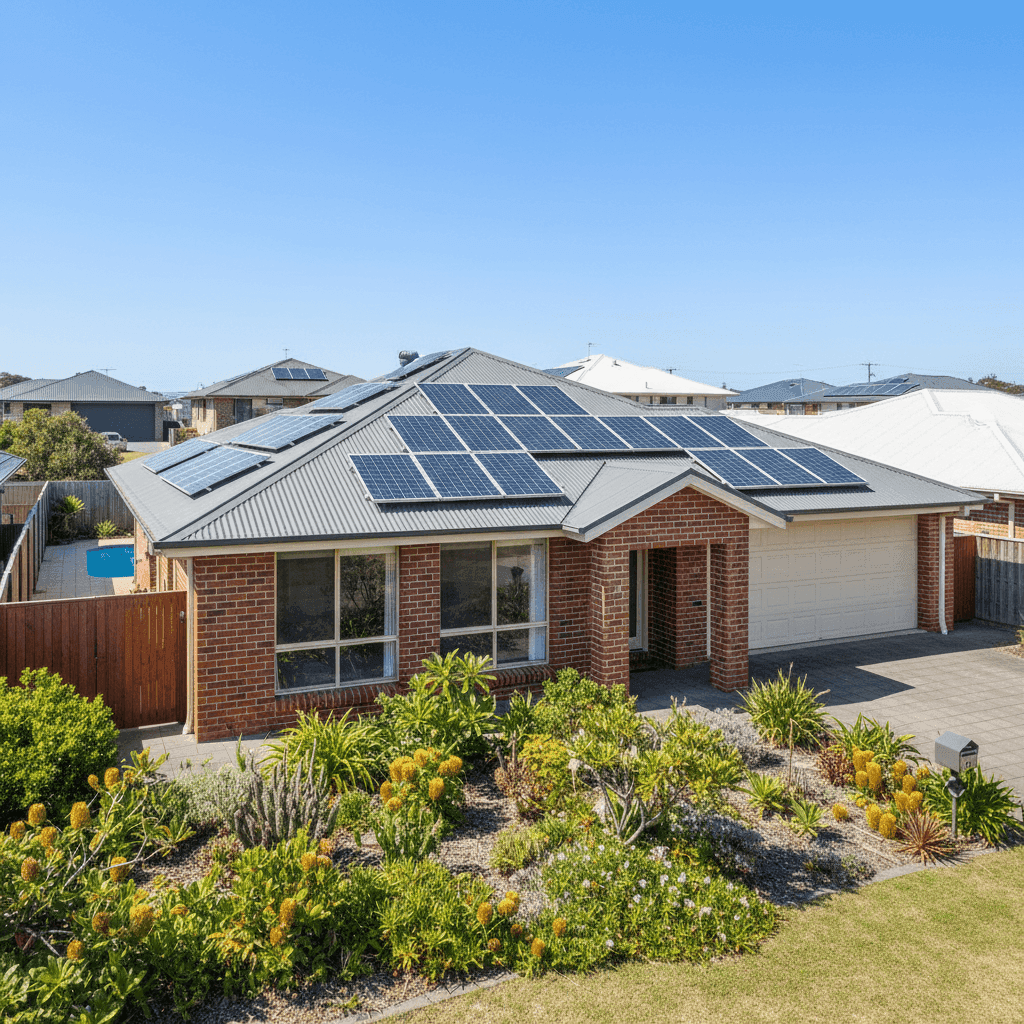
Fingal Bay is one of the Port Stephens region's most sought-after coastal addresses — a relaxed beachside enclave where properties range from modest holiday retreats to substantial family homes. This analysis looks at a recent home and contents insurance quote for a five-bedroom, free-standing home in Fingal Bay (NSW 2315), breaking down whether the price stacks up against local, state, and national benchmarks, and what homeowners in the area can do to keep premiums in check.
---
Is This Quote Fair?
The quote in question comes in at $4,888 per year (or $478 per month) for combined home and contents cover, with a building sum insured of $1,600,000 and contents valued at $249,999. The building excess is $2,000 and the contents excess is $1,000.
Our price rating for this quote is Expensive — above average for the Fingal Bay area.
To put that in context: the suburb average annual premium sits at $2,846, and the median is $2,655. This quote is running at roughly 72% above the suburb average and nearly double the suburb median. Even at the 75th percentile — meaning most quotes in the area are cheaper — the benchmark is only $3,242 per year. So this premium is meaningfully higher than what most Fingal Bay homeowners are paying.
That said, a few factors help explain the gap. The building sum insured of $1.6 million is substantial, even for a five-bedroom home. Rebuilding costs in coastal NSW have risen sharply in recent years due to labour shortages and materials inflation, and insurers price accordingly. The contents cover of just under $250,000 also adds to the overall premium load. When you're insuring more, you naturally pay more — the question is whether the cover amount accurately reflects your actual rebuild and replacement costs, or whether it may be set higher than necessary.
---
How Fingal Bay Compares
Understanding where Fingal Bay sits in the broader insurance landscape is useful for any homeowner trying to gauge value. Here's how the numbers line up:
| Benchmark | Annual Premium |
|---|---|
| This quote | $4,888 |
| Fingal Bay suburb average | $2,846 |
| Fingal Bay suburb median | $2,655 |
| Port Stephens LGA average | $3,116 |
| NSW average | $9,528 |
| NSW median | $3,770 |
| National average | $5,347 |
| National median | $2,764 |
A few things stand out here. The NSW average premium of $9,528 is eye-wateringly high — but that figure is heavily skewed by expensive properties and high-risk postcodes across the state (think flood-prone areas and high-value Sydney homes). The NSW median of $3,770 is a more representative figure, and this quote sits just above it.
Interestingly, this quote is actually below the national average of $5,347, which suggests that on a broader scale, it's not entirely out of line — particularly given the size of the property and the level of cover. However, compared to what locals in Fingal Bay are typically paying, it remains on the expensive side.
You can explore the full data for this suburb at our Fingal Bay insurance stats page, compare it against NSW-wide figures, or benchmark against national averages.
---
Property Features That Affect Your Premium
Several characteristics of this property have a direct bearing on what insurers charge. Understanding these can help you have a more informed conversation with your insurer — or when shopping around.
Brick veneer construction and Colorbond roof Brick veneer walls are generally viewed favourably by insurers — they're durable, fire-resistant, and widely understood by builders and assessors. A Colorbond steel roof is similarly well-regarded: lightweight, long-lasting, and resistant to fire and wind. Together, these materials typically attract more competitive premiums than, say, weatherboard or fibrous cement cladding.
Slab foundation A concrete slab foundation is standard for homes of this era and construction type in coastal NSW. It's considered low-risk from an insurer's perspective — no subfloor cavity means less exposure to moisture ingress and pest damage.
Swimming pool Pools add value to a property but also introduce liability considerations. Most insurers factor in pool ownership when calculating premiums, particularly for public liability coverage within your home and contents policy. Ensuring your pool fencing meets current Australian standards (AS 1926) is not just a legal requirement — it can also demonstrate responsible ownership to insurers.
Solar panels Solar panel systems are increasingly common on Australian rooftops, but they do add to the insured value of the building. Insurers need to account for the cost of repairing or replacing panels in the event of storm damage, hail, or fire. If your system has been upgraded or expanded since your policy was last reviewed, it's worth confirming your sum insured reflects the current replacement value.
Ducted climate control Ducted air conditioning is a significant built-in fixture and contributes meaningfully to the rebuild cost of the home. Like solar panels, it's an item that can be overlooked when homeowners set or review their sum insured — but insurers will include it in any rebuild assessment.
Coastal location Fingal Bay's proximity to the ocean is a lifestyle asset, but it does carry insurance implications. Coastal properties face elevated exposure to salt air corrosion, storm surge risk, and periodic severe weather events. These factors are baked into insurer risk models for postcodes like 2315, and they contribute to premiums that tend to run higher than inland equivalents.
---
Tips for Homeowners in Fingal Bay
1. Review your sum insured carefully A building sum insured of $1.6 million is significant. While it's important not to be underinsured, over-insuring your home means you're paying premiums on a rebuild cost that may be higher than necessary. Use a building cost calculator (many insurers offer these) or engage a quantity surveyor to get an accurate estimate of your home's current rebuild value — not its market value.
2. Compare quotes before renewing Loyalty doesn't always pay in insurance. Premiums can vary significantly between providers for the same level of cover, and many insurers offer better rates to new customers. Before your renewal date, use a comparison tool like CoverClub to see what other providers are offering for your property.
3. Consider adjusting your excess This policy carries a $2,000 building excess and $1,000 contents excess. Opting for a higher excess is one of the most straightforward ways to reduce your annual premium. If you have the financial buffer to cover a larger out-of-pocket cost in the event of a claim, increasing your excess could deliver meaningful savings over time.
4. Maintain your property proactively Coastal homes require more regular upkeep than their inland counterparts. Keeping gutters clear, maintaining roof flashings, checking seals around windows and doors, and servicing your pool equipment regularly all reduce the likelihood of a claim — and demonstrate to insurers that the property is well-maintained. Some insurers may offer discounts or more favourable terms for homes with documented maintenance histories.
---
Find a Better Deal with CoverClub
Whether this quote is the right fit depends on your specific circumstances — but it's always worth knowing your options. CoverClub helps Australian homeowners compare home and contents insurance quotes quickly and transparently, so you can see exactly how your premium stacks up. Get a quote today and find out if there's a better deal waiting for your Fingal Bay home.