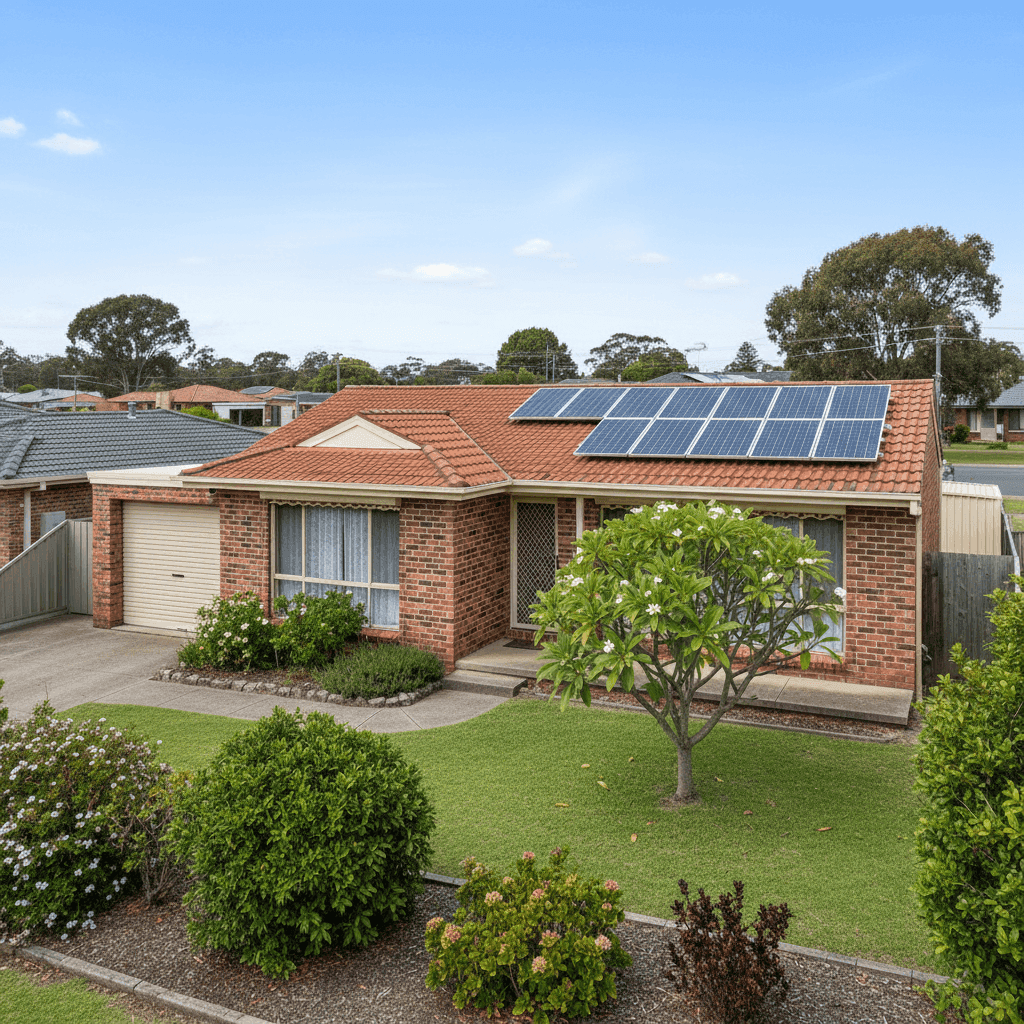
Fingal Bay is one of the Myall Coast's most picturesque coastal suburbs — a relaxed beach community tucked inside Port Stephens, about two hours north of Sydney. It's the kind of place where properties hold strong lifestyle value, and protecting that investment with the right home insurance is essential. This article analyses a real home and contents insurance quote for a three-bedroom, free standing brick veneer home in Fingal Bay (NSW 2315), and puts the numbers into context against suburb, state, and national benchmarks.
---
Is This Quote Fair?
The short answer: yes — it's very competitive.
The quote in question comes in at $1,636 per year (or about $160 per month) for combined home and contents cover, with a building sum insured of $530,100 and contents valued at $127,200. The building excess sits at $3,000, while the contents excess is $1,000.
CoverClub's pricing algorithm rates this quote as CHEAP — below average for the area. That's a meaningful distinction. In a suburb like Fingal Bay, where coastal proximity and the broader Port Stephens risk profile tend to push premiums upward, landing a quote this far below the local average is genuinely noteworthy.
To put it plainly: this policyholder is paying roughly $1,885 less per year than the suburb average of $3,521. Even against the suburb's 25th percentile — the cheapest quarter of quotes collected — this premium of $1,636 still comes in $401 below that threshold of $2,037. That's not a marginal saving; it's a significant one.
---
How Fingal Bay Compares
Understanding where this quote sits requires a broader lens. Here's how the numbers stack up across different geographic levels:
| Benchmark | Average Premium | Median Premium |
|---|---|---|
| Fingal Bay (2315) | $3,521/yr | $3,359/yr |
| Port Stephens LGA | $3,473/yr | — |
| NSW | $3,801/yr | $3,410/yr |
| National | $2,965/yr | $2,716/yr |
| This Quote | $1,636/yr | — |
A few things stand out here. First, Fingal Bay premiums track closely with the broader Port Stephens LGA average of $3,473, suggesting the coastal and estuarine risk factors are fairly consistent across the region. Second, NSW as a whole is notably more expensive than the national average — $3,801 versus $2,965 — reflecting the state's exposure to a range of weather events, bushfire corridors, and higher property values in many areas.
The quote analysed here sits 56% below the Fingal Bay suburb average and 57% below the NSW state average. Even compared to the more affordable national median of $2,716, this premium is still 40% cheaper. Based on 34 quotes collected for this suburb, this result is firmly in the most competitive tier available.
---
Property Features That Affect Your Premium
Several characteristics of this property likely contribute to its favourable premium. Let's unpack the key ones.
Brick Veneer Walls Brick veneer construction is generally viewed positively by insurers. It offers solid fire resistance and structural durability compared to weatherboard or lightweight cladding. While not as robust as full double-brick, brick veneer strikes a practical balance that many underwriters reward with more competitive pricing.
Tiled Roof A tiled roof is another tick in the right column. Tiles are durable, non-combustible, and perform well in hail and wind events when properly maintained. Compared to older corrugated iron or flat roofing, tiles are typically associated with lower storm-related claims risk.
Slab Foundation A concrete slab foundation is standard for homes of this era and construction type. It eliminates the underfloor cavity that can be a vulnerability in flood-prone or termite-affected areas, which may contribute to slightly lower risk assessments in certain scenarios.
Solar Panels This property has solar panels installed. While solar adds value to the home and is increasingly common, it's worth noting that solar systems need to be adequately covered under your building sum insured. The $530,100 building cover here should account for the replacement cost of the panels — it's always worth confirming this with your insurer.
Timber and Laminate Flooring Timber and laminate floors can be costly to replace after water damage or flooding. Homeowners should ensure their contents and building policies clearly cover floor coverings, particularly in a coastal environment where humidity and the occasional storm surge can be risk factors.
Construction Year: 1986 A home built in 1986 is approaching 40 years old. Older homes can attract higher premiums if insurers consider them more likely to have ageing plumbing, wiring, or roofing. However, a well-maintained brick veneer home of this vintage can still be competitive — and this quote suggests that's the case here.
No Pool, No Ducted Climate Control The absence of a swimming pool and ducted air conditioning removes two common sources of claims (pool-related liability and mechanical breakdown) from the equation, which can modestly reduce premium exposure.
---
Tips for Homeowners in Fingal Bay
Whether you're renewing your policy or shopping around for the first time, here are some practical steps to help you get the best outcome.
1. Don't underestimate your building sum insured With rebuild costs rising sharply across NSW, it's critical that your sum insured reflects what it would actually cost to rebuild your home from scratch — not its market value. For a 139 sqm brick veneer home in a coastal area, factoring in demolition, materials, and labour is essential. Under-insuring can leave you significantly out of pocket after a major claim.
2. Factor in your solar panels If you have solar panels (as this property does), confirm with your insurer that they are included in your building cover. Some policies cover them as standard; others require a specific endorsement. Given the cost of modern solar systems, this is a gap worth closing.
3. Review your excess settings carefully This policy carries a $3,000 building excess. A higher excess generally lowers your premium, but it also means a larger out-of-pocket cost at claim time. Make sure your excess is set at a level you could comfortably afford if you needed to make a claim tomorrow.
4. Compare quotes annually The Fingal Bay market shows significant spread — from around $2,037 at the 25th percentile up to $4,501 at the 75th percentile. That's a $2,464 range for broadly similar properties. Shopping around each year using a comparison tool like CoverClub can help ensure you're not quietly drifting into the expensive tier at renewal time.
---
Find Your Best Rate with CoverClub
If you own a home in Fingal Bay or anywhere else in Australia, it pays to see how your current premium compares. CoverClub aggregates real quote data so you can benchmark your cover against your neighbours and the broader market — and find a better deal when one exists. Get a home insurance quote today and see where you stand.