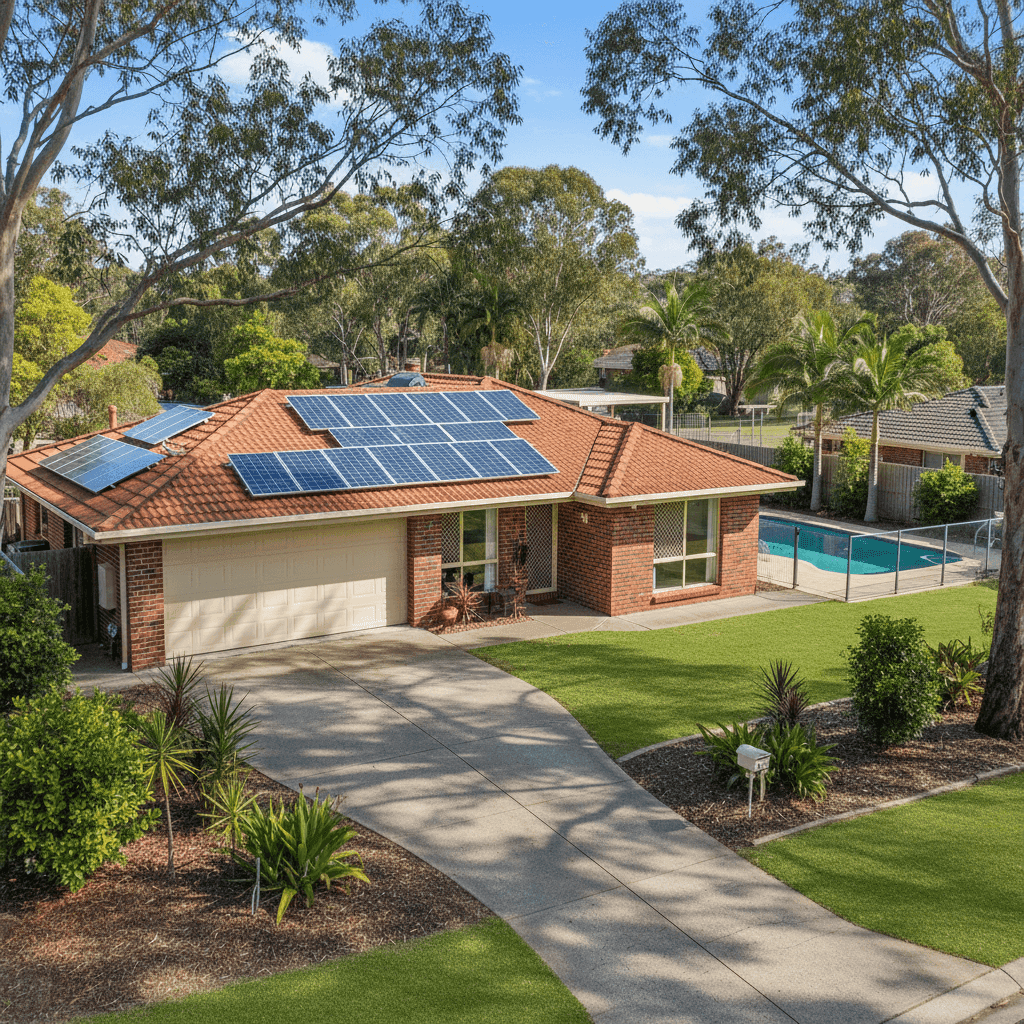
If you own a free standing home in Fitzgibbon, QLD 4018, you already know the suburb offers a solid mix of suburban convenience and family-friendly living in Brisbane's northern corridor. But when it comes to home insurance, how much should you actually be paying — and how do you know if a quote is genuinely competitive? This article breaks down a real quote for a three-bedroom, two-bathroom brick veneer home in Fitzgibbon, comparing it against local, state, and national benchmarks so you can make a truly informed decision.
---
Is This Quote Fair?
The quote in question comes in at $1,109 per year (or roughly $106 per month) for combined home and contents cover — insuring the building for $425,000 and contents for $35,000, with a $2,000 building excess and $1,000 contents excess.
Our price rating for this quote? Cheap — well below average.
To put that in perspective: the average home and contents premium across Fitzgibbon sits at $2,988 per year, with a median of $2,810. That means this quote is coming in at roughly 63% below the suburb average — a genuinely significant saving. Even compared to the cheapest quarter of quotes in the area (the 25th percentile at $2,198/yr), this premium is still substantially lower.
It's worth noting that a lower premium doesn't automatically mean inferior cover — the sum insured, excess levels, and policy inclusions all play a role. However, on pure price, this quote represents exceptional value relative to what most Fitzgibbon homeowners are paying.
---
How Fitzgibbon Compares
Zooming out to a broader view, the numbers tell an even more compelling story. Here's how Fitzgibbon stacks up against the rest of Queensland and the country:
| Benchmark | Average Premium | Median Premium |
|---|---|---|
| Fitzgibbon (suburb) | $2,988/yr | $2,810/yr |
| Brisbane LGA | $4,485/yr | — |
| Queensland (state) | $4,547/yr | $3,931/yr |
| National | $2,965/yr | $2,716/yr |
A few things stand out here. First, Queensland as a state carries some of the highest home insurance premiums in the country — the QLD average of $4,547/yr is more than 53% above the national average of $2,965/yr. This is largely driven by the state's exposure to severe weather events, including cyclones in the north, flooding, and storm damage. You can explore the full Queensland insurance data here.
Interestingly, Fitzgibbon's suburb average of $2,988/yr actually tracks closely with the national average, suggesting it's a relatively affordable pocket within an otherwise expensive state. The Brisbane LGA average of $4,485/yr confirms that premiums vary enormously even within the same city — location-specific risk factors like flood zones, storm history, and local claim rates all influence what insurers charge. Check out the full Fitzgibbon suburb insurance stats for a deeper local breakdown.
With a sample size of 48 quotes collected for the Fitzgibbon postcode, these figures are statistically meaningful and give a reliable picture of the local market.
---
Property Features That Affect Your Premium
Every home is different, and insurers price risk based on the specific characteristics of your property. Here's how the features of this particular home are likely influencing the premium:
Brick Veneer Walls & Tiled Roof Brick veneer construction is generally viewed favourably by insurers — it's durable, fire-resistant, and holds up well in storms compared to timber or cladding alternatives. Combined with a tiled roof, this home presents a relatively low structural risk profile, which can contribute to more competitive premiums.
Slab Foundation A concrete slab foundation is standard for homes of this era in Queensland and is generally considered low-risk from an insurance perspective. It avoids the potential issues associated with raised or suspended timber floors, such as subfloor moisture damage or pest-related deterioration.
Built in 1991 At around 34 years old, this home sits in a middle ground — old enough to have some wear, but not so aged that insurers treat it as high-risk. Homes built in the late 1980s and early 1990s in Queensland were generally constructed to solid standards, though some may have outdated wiring or plumbing that could affect premiums with certain insurers.
Swimming Pool Pools are a common feature in Queensland homes and do add a small amount to premiums, primarily due to liability considerations and the cost of repair or replacement if damaged. It's worth confirming your policy explicitly covers pool infrastructure.
Solar Panels Solar panels are increasingly common and most modern policies accommodate them, but it's important to verify they're included under your building sum insured. Panels can be costly to replace after hail or storm damage, and underinsurance is a real risk if they're not factored into your coverage amount.
Standard Fittings & Vinyl Flooring Standard-grade fittings and vinyl flooring keep replacement costs lower than premium alternatives, which helps keep the sum insured — and therefore the premium — at a reasonable level.
No Cyclone Risk Fitzgibbon falls outside designated cyclone risk zones, which is a meaningful factor in keeping premiums lower than properties further north in Queensland. Cyclone-rated construction requirements and the associated claim risks add significantly to premiums in areas like Cairns or Townsville.
---
Tips for Homeowners in Fitzgibbon
Whether you're reviewing your existing policy or shopping for the first time, here are some practical steps to get the most from your home insurance:
- Review your sum insured annually. Building costs have risen sharply in recent years. Make sure your $425,000 building cover still reflects the true cost of rebuilding your home — not just its market value. Underinsurance is one of the most common and costly mistakes homeowners make.
- Check your pool and solar panels are explicitly covered. These are valuable assets that can be overlooked in a standard policy. Confirm with your insurer that both are included under your building cover and understand the claim process for each.
- Consider your excess carefully. A $2,000 building excess is on the higher end. While a higher excess lowers your premium, make sure it's an amount you could comfortably pay out of pocket if you needed to make a claim. Review whether the saving justifies the risk for your financial situation.
- Compare quotes at renewal — every year. Insurance premiums can shift significantly between policy years. The market is competitive, and loyalty doesn't always pay. Using a comparison tool at renewal is one of the simplest ways to ensure you're not overpaying.
---
Compare Your Own Quote
Seeing how one quote stacks up against the market is a great start — but the best way to know you're getting genuine value is to compare multiple options side by side. CoverClub makes it easy to get quotes tailored to your specific property and coverage needs.
Get a home insurance quote today at CoverClub and see how your premium compares to your neighbours, your city, and the national average.