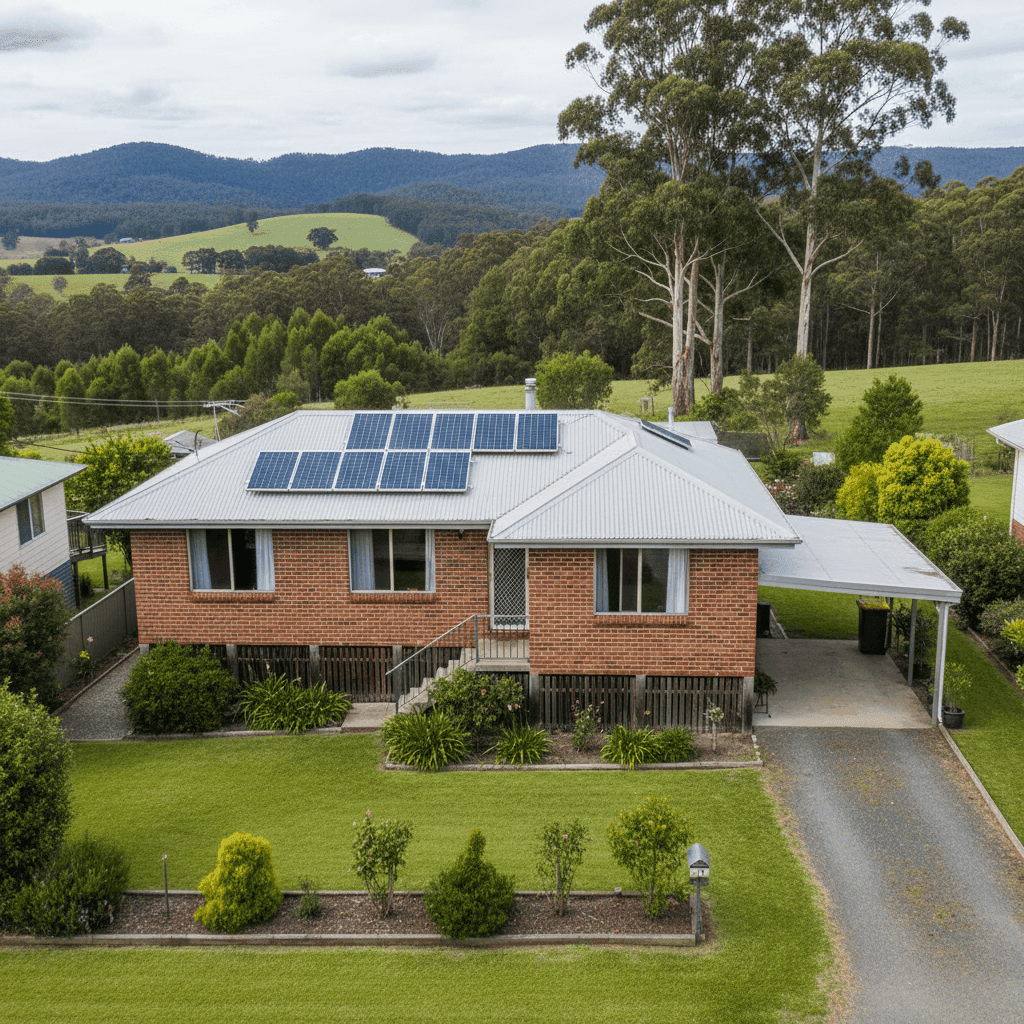
If you own a free standing home in Flowerdale, TAS 7325, you've probably noticed that insurance premiums can vary quite a bit depending on who you ask. This article breaks down a real home and contents insurance quote for a 3-bedroom brick veneer property in the area, compares it against local, state, and national benchmarks, and offers practical advice to help you make sure you're getting a fair deal.
---
Is This Quote Fair?
The quote in question comes in at $2,105 per year (or around $206 per month) for combined home and contents cover, with a building sum insured of $843,000 and contents valued at $75,000. The building excess sits at $2,000, with a separate contents excess of $600.
Based on CoverClub's pricing data, this quote is rated Expensive — above the suburb average. That's worth paying attention to. The suburb average for Flowerdale sits at $1,738 per year, and the median is $1,848 per year. At $2,105, this quote is approximately $357 above the suburb average and $257 above the median — a meaningful gap that suggests there's likely room to find more competitive pricing.
That said, context matters. The building sum insured of $843,000 is a significant figure and will naturally push the premium higher than properties insured for less. The contents cover of $75,000 is also factored in. Before concluding the quote is simply overpriced, it's worth ensuring those insured values accurately reflect your actual rebuild costs and belongings — over-insuring is a common and costly mistake.
---
How Flowerdale Compares
To put this quote in proper perspective, here's how Flowerdale stacks up against broader benchmarks:
| Benchmark | Annual Premium |
|---|---|
| This Quote | $2,105 |
| Suburb Average (Flowerdale) | $1,738 |
| Suburb Median (Flowerdale) | $1,848 |
| Suburb 25th Percentile | $1,585 |
| Suburb 75th Percentile | $1,966 |
| LGA Average (Burnie) | $1,760 |
| TAS State Average | $2,458 |
| TAS State Median | $2,272 |
| National Average | $2,965 |
| National Median | $2,716 |
A few things stand out here. First, Flowerdale is actually quite affordable compared to the rest of Tasmania and the country at large. The state average of $2,458 is nearly $720 more than the suburb average, and the national average of $2,965 is almost double what the cheapest quotes in the suburb are offering. This tells us that Flowerdale is a relatively low-risk area from an insurer's perspective — good news for homeowners.
Second, while this particular quote is above the suburb average, it still comes in well below the Tasmanian state average and significantly below the national benchmark. So while there's room to negotiate or shop around locally, you're not in alarming territory compared to the broader market.
It's also worth noting the suburb sample size is relatively small (5 quotes), so the averages should be taken as a useful guide rather than a definitive measure.
---
Property Features That Affect Your Premium
Several characteristics of this property will directly influence how insurers price the risk. Here's what's likely at play:
- Brick Veneer Walls: Brick veneer is generally viewed favourably by insurers. It offers solid fire resistance and durability compared to timber weatherboard, which can help keep premiums in check.
- Steel/Colorbond Roof: Colorbond roofing is lightweight, durable, and performs well in variable weather conditions. It's a common choice in Tasmania and is generally well-regarded by underwriters.
- Stump Foundation: Homes on stumps (also called pier foundations) are elevated off the ground, which can help with moisture management and underfloor ventilation. However, stumps — particularly older timber ones — can deteriorate over time, and insurers may factor this into their assessment, especially for a home built in 1972.
- Construction Year (1972): Older homes can attract higher premiums due to the age of plumbing, electrical wiring, and structural elements. A home over 50 years old may be flagged for closer scrutiny by insurers, even if it's been well maintained.
- Solar Panels: The presence of solar panels adds replacement value to the property and may slightly increase the premium, though many insurers now include panels as standard under building cover.
- Timber/Laminate Flooring: This flooring type is susceptible to water damage, which is something insurers consider when assessing contents and internal damage risk.
- Elevated by Less Than 1m: The slight elevation is unlikely to significantly affect flood risk assessments, but it does offer some protection against minor surface water ingress.
- No Pool, No Ducted Climate Control, No Cyclone Risk: These absences work in your favour — pools and ducted systems add complexity and cost, while the absence of cyclone risk keeps the premium lower than it might be in northern Queensland or WA.
---
Tips for Homeowners in Flowerdale
1. Shop around — even modest differences add up With the suburb 25th percentile sitting at $1,585 per year, there are clearly more competitive quotes available in this area. A $500 annual saving compounded over five years is $2,500 back in your pocket. Use a comparison tool like CoverClub to benchmark multiple insurers at once.
2. Review your sum insured carefully A building sum insured of $843,000 is substantial. Make sure this figure reflects the actual cost to rebuild your home — not its market value. Overclaiming on the sum insured is one of the most common reasons premiums run high. Consider getting a professional building valuation if you're unsure.
3. Consider the impact of your excess settings This quote carries a $2,000 building excess. Choosing a higher excess is one of the most effective levers for reducing your annual premium. If you have the financial buffer to absorb a larger out-of-pocket cost in the event of a claim, increasing your excess further could yield meaningful savings.
4. Maintain your home's older elements proactively For a home built in 1972, keeping electrical systems, plumbing, and stump foundations in good condition isn't just smart maintenance — it can also support your claims eligibility. Some insurers will decline or reduce claims if damage is attributed to wear and tear or lack of maintenance. Document any upgrades you make, as these may also help when negotiating your renewal premium.
---
Ready to Find a Better Deal?
Whether this quote is right for your situation or not, it always pays to compare. CoverClub makes it easy to see how your current premium stacks up against real quotes from across the market — no jargon, no pressure. Get a home insurance quote today and find out if you could be paying less for the same level of cover. You can also explore detailed pricing data for Flowerdale, the broader Tasmanian market, or national trends to inform your decision.