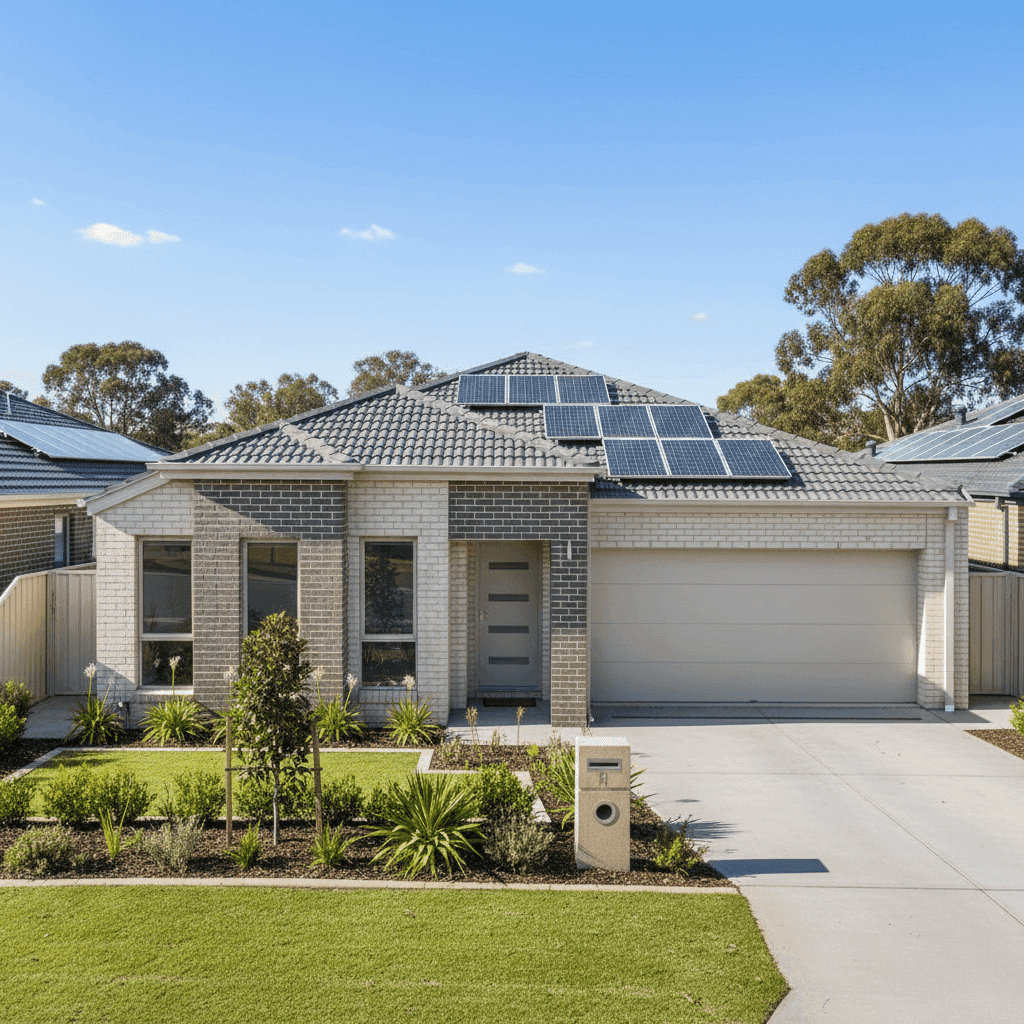
If you own a free standing home in Forest Hill, NSW 2651, you're probably curious about whether the home insurance quote sitting in your inbox is a fair deal — or whether you're leaving money on the table. This article breaks down a real quote for a three-bedroom, two-bathroom brick veneer home in Forest Hill, comparing it against local, state, and national benchmarks so you can make a genuinely informed decision.
---
Is This Quote Fair?
The quote in question comes in at $1,341 per year (or $139/month) for combined home and contents cover, with a building sum insured of $600,000 and contents valued at $72,000. The building excess is $3,000 and the contents excess is $500.
Our price rating for this quote is FAIR — Around Average.
That assessment holds up when you look at the numbers. The suburb average for Forest Hill sits at $1,467/year, with a median of $1,386/year. At $1,341, this quote lands just below the suburb median — meaning it's slightly better than what most Forest Hill homeowners are paying, but it's not dramatically cheaper. You're in the middle of the pack, which is a reasonable place to be.
The 25th percentile for the suburb is $1,226/year, so there is room to find a cheaper policy if you shop around. Meanwhile, the 75th percentile sits at $1,681/year — meaning a quarter of Forest Hill homeowners are paying significantly more. On that basis, this quote is defensible, but not necessarily the best available.
---
How Forest Hill Compares
One of the most striking takeaways from the data is just how favourably Forest Hill stacks up against broader benchmarks.
| Benchmark | Average Premium | Median Premium |
|---|---|---|
| Forest Hill (suburb) | $1,467/yr | $1,386/yr |
| LGA (Wagga Wagga) | $2,836/yr | — |
| NSW (state) | $9,528/yr | $3,770/yr |
| National | $5,347/yr | $2,764/yr |
The NSW state average of $9,528/year is heavily skewed by high-risk and high-value properties — particularly in Sydney's premium coastal suburbs — so the median of $3,770/year is a more useful comparison point. Either way, Forest Hill comes in well below both figures. The national average tells a similar story, with a median of $2,764/year still roughly double what Forest Hill homeowners typically pay.
Even within the Wagga Wagga LGA, where the average premium is $2,836/year, Forest Hill's suburb-level figures look very competitive. This suggests that Forest Hill benefits from relatively low-risk characteristics — no cyclone exposure, manageable flood or fire risk profiles — that help keep premiums down compared to many other parts of New South Wales.
> Note: The suburb sample size for Forest Hill is 7 quotes, so these figures should be treated as indicative rather than statistically definitive. As more data comes in, the averages may shift.
---
Property Features That Affect Your Premium
Several characteristics of this particular property work in the homeowner's favour from an insurance pricing perspective.
Brick veneer construction is generally viewed positively by insurers. It offers solid fire resistance and structural durability compared to weatherboard or cladding alternatives, which can translate to lower premiums. Combined with a tiled roof, the property presents a relatively low-maintenance, weather-resistant profile.
The slab foundation is a standard and reliable choice in regional NSW, and it doesn't introduce the additional risk considerations that come with older stumped or suspended floor systems. Vinyl flooring is also practical — it's water-resistant and less costly to replace than hardwood or engineered timber, which can subtly influence contents and building replacement cost estimates.
The home was built in 2017, making it a relatively modern property. Newer builds tend to comply with updated building codes, which typically means better structural integrity, improved fire safety standards, and lower likelihood of maintenance-related claims.
Solar panels are worth a mention. While they add value to the property, they also add complexity to the sum insured calculation. Homeowners should confirm with their insurer that solar panels are explicitly covered under the building policy — including damage from storms, hail, or electrical faults. It's a detail that's easy to overlook.
The ducted climate control system is another fixed asset that should be reflected in the building sum insured. These systems can be expensive to repair or replace, and underinsurance is a real risk if the sum insured hasn't been reviewed recently.
At 139 sqm, this is a modestly sized home, which helps keep the building replacement cost — and therefore the premium — more manageable than larger dwellings.
---
Tips for Homeowners in Forest Hill
1. Review your sum insured regularly. A $600,000 building sum insured may be appropriate today, but construction costs have risen significantly in recent years. It's worth getting an independent building replacement cost estimate every couple of years to make sure you're not underinsured. Remember, the sum insured should reflect what it costs to rebuild, not the market value of the property.
2. Confirm solar panel coverage. As mentioned above, solar panels are a common exclusion or limitation in standard home insurance policies. Contact your insurer directly to confirm whether your panels are covered, under what circumstances, and whether any additional endorsement is needed.
3. Shop around at renewal time. A "fair" rating means you're not being gouged, but it also means there's likely a better deal available. The 25th percentile for Forest Hill is $1,226/year — about $115 cheaper annually. Use a comparison tool like CoverClub to benchmark your renewal quote before you automatically roll over.
4. Consider your excess strategy. This policy carries a $3,000 building excess, which is on the higher side. A higher excess generally reduces your premium, but it also means a larger out-of-pocket cost when you do make a claim. Think about whether that trade-off suits your financial situation — and whether a lower excess with a slightly higher premium might give you better peace of mind.
---
Get a Better Deal on Home Insurance
Whether you're renewing your existing policy or shopping for the first time, it pays to compare. CoverClub makes it easy to see how your quote stacks up against real data from homeowners in your suburb. Enter your address and get started today — it only takes a few minutes and could save you hundreds.
For more suburb-level insights, explore the Forest Hill insurance stats page or browse the full NSW insurance data.