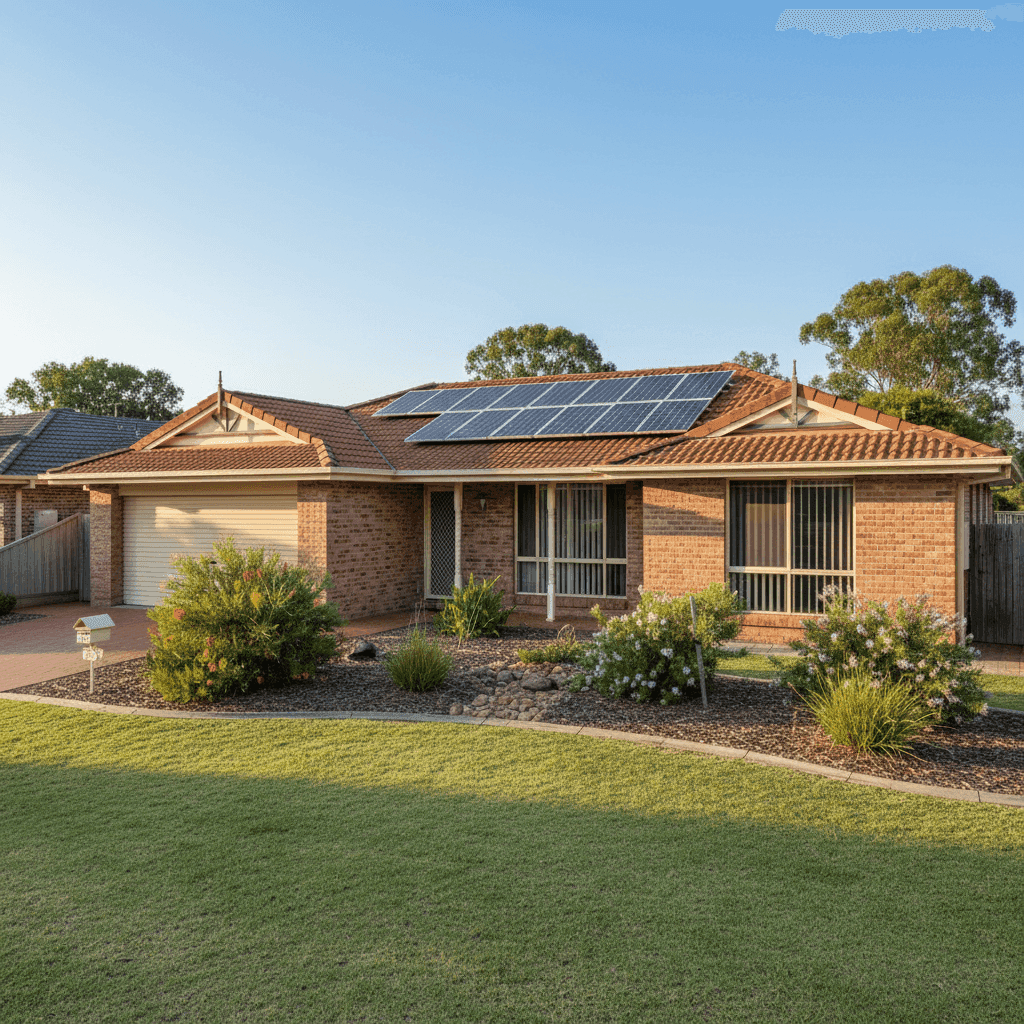
Forest Lake is a well-established residential suburb in Brisbane's south-west, sitting within the Logan LGA and known for its leafy streets, family-friendly atmosphere, and mix of late-1990s brick homes. If you own a free standing home here, understanding what you should be paying for home and contents insurance — and why — can save you hundreds of dollars a year. This article breaks down a real quote for a 3-bedroom, 1-bathroom brick veneer home in Forest Lake (QLD 4078) and puts it in context against local, state, and national benchmarks.
---
Is This Quote Fair?
The quote in question comes in at $1,479 per year (or $146/month) for combined home and contents cover, with a building sum insured of $417,000 and $50,000 in contents cover. Both the building and contents excess are set at $1,000.
CoverClub's pricing engine rates this quote as Fair — Around Average, and the data backs that up. At $1,479/yr, this premium sits just above the suburb's 25th percentile of $1,450/yr, meaning roughly three-quarters of comparable quotes in Forest Lake come in higher. It's comfortably below the suburb average of $2,166/yr and the suburb median of $2,214/yr, which suggests this homeowner is getting a reasonably competitive deal without being at the very bottom of the market.
In short: it's not the cheapest quote available, but it's well-positioned — particularly given the property's features and the broader insurance landscape in Queensland.
---
How Forest Lake Compares
To really appreciate what $1,479/yr means, it helps to zoom out and look at the bigger picture.
| Benchmark | Premium |
|---|---|
| This quote | $1,479/yr |
| Forest Lake suburb average | $2,166/yr |
| Forest Lake suburb median | $2,214/yr |
| Logan LGA average | $4,617/yr |
| QLD state average | $9,129/yr |
| QLD state median | $3,903/yr |
| National average | $5,347/yr |
| National median | $2,764/yr |
The numbers tell a striking story. Queensland's average home insurance premium of $9,129/yr is one of the highest in the country — largely driven by the state's exposure to cyclones, flooding, and severe storm events in regional and coastal areas. You can explore the full Queensland insurance data here.
Forest Lake, however, sits in a more favourable position. Its suburb average of $2,166/yr is well below both the QLD state average and the national average of $5,347/yr, reflecting the suburb's relatively lower risk profile compared to cyclone-prone north Queensland or flood-affected regional areas. Even within the Logan LGA — which carries an average of $4,617/yr — Forest Lake performs notably well, likely because it is not classified as a cyclone risk area and has a more contained flood exposure than some neighbouring suburbs.
This quote, at $1,479/yr, sits 32% below the Forest Lake suburb average, making it a solid result for this type of property.
---
Property Features That Affect Your Premium
Several characteristics of this property work in the homeowner's favour when it comes to pricing:
Brick Veneer Construction Brick veneer is generally viewed favourably by insurers. It offers good structural resilience against wind and fire compared to weatherboard or cladding alternatives, which typically translates to lower premiums.
Tiled Roof Terracotta or concrete tiles are a standard, durable roofing material. While they can be susceptible to hail damage, they perform well in most weather conditions and are widely understood by underwriters — meaning fewer pricing surprises.
Slab Foundation A concrete slab foundation is considered low-risk from an insurer's perspective. There's no subfloor void, which reduces the risk of certain types of water damage and pest-related structural issues.
Timber/Laminate Flooring This is a moderate risk factor. Timber and laminate floors can be more susceptible to water damage than tiles, which may nudge the contents or building premium slightly higher — but for a standard home, the impact is generally modest.
Solar Panels The property has solar panels installed. While solar adds value to a home, it also adds to the replacement cost of the building. It's important to ensure the sum insured of $417,000 accounts for the cost of replacing the solar system in a total loss scenario. Many homeowners forget to factor this in.
1998 Construction At around 26 years old, this home sits in a middle ground — old enough that some systems (plumbing, electrical) may be ageing, but not so old as to attract significant loading. Homes built in the late 1990s generally comply with reasonably modern building codes.
No Pool, No Ducted Climate Control The absence of a pool removes a common liability risk factor. No ducted climate control also means one fewer expensive system to insure and replace.
---
Tips for Homeowners in Forest Lake
1. Review your sum insured regularly With construction costs rising across Australia, $417,000 may be appropriate today but could fall short in a few years. Use a building calculator annually to make sure your sum insured reflects current rebuild costs — not the purchase price of your home.
2. Don't forget your solar panels As noted above, solar panel systems can cost $8,000–$20,000 or more to replace. Check your policy wording to confirm whether panels are covered under the building section and that your sum insured is sufficient to cover them.
3. Shop around at renewal time Insurance loyalty rarely pays off. Insurers often offer better rates to new customers than to existing ones. Even if you're happy with your current cover, it's worth comparing quotes each year — CoverClub makes it easy to do exactly that.
4. Consider your excess carefully This quote carries a $1,000 excess on both building and contents. A higher excess generally reduces your premium, but make sure you can comfortably cover that amount out of pocket if you need to make a claim. Conversely, if cash flow allows, pushing the excess up slightly could trim your annual premium.
---
Compare Your Own Quote
Whether you're renewing your policy or buying cover for the first time, it pays to know where your premium sits relative to the market. CoverClub aggregates real quote data from across Australia so you can see exactly how your rate stacks up — suburb by suburb, state by state. Get a home insurance quote today and find out if you're paying a fair price for your Forest Lake home.