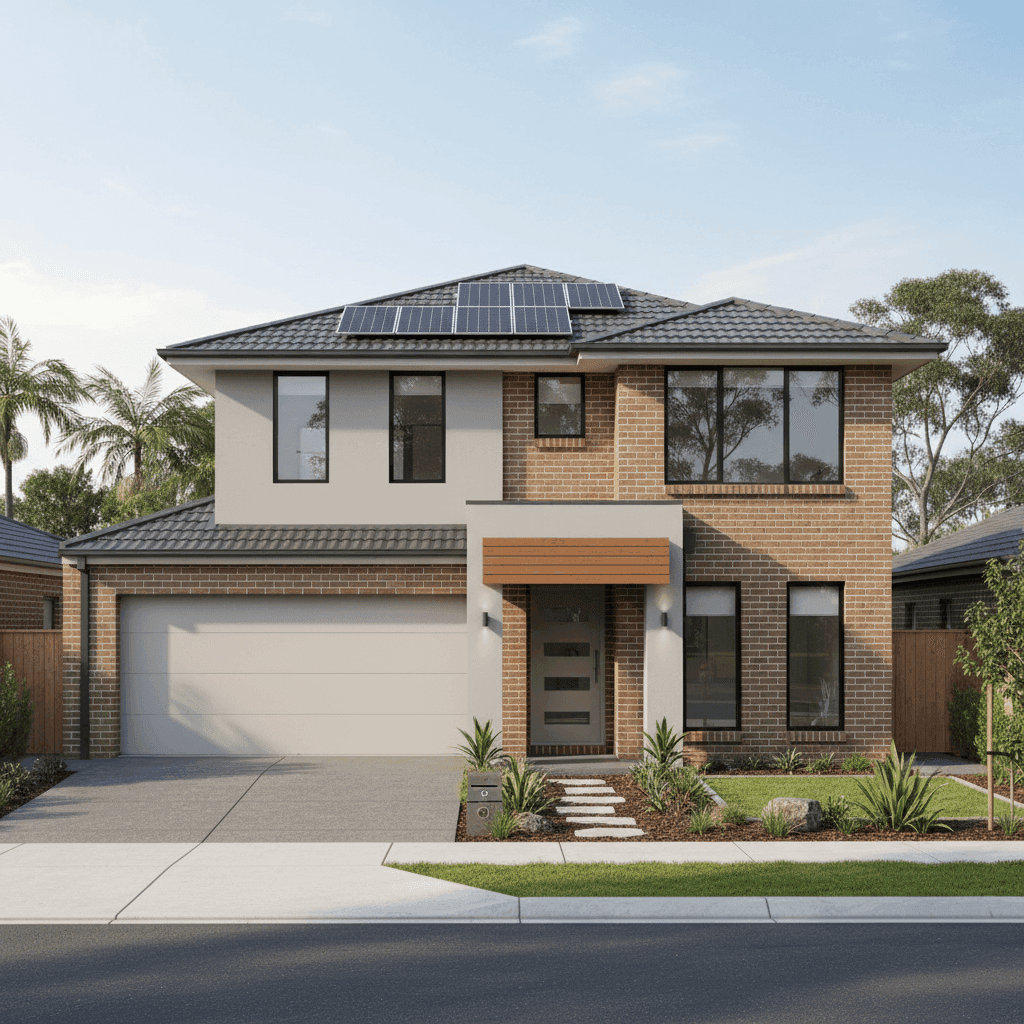
Forrestdale is a quiet, semi-rural suburb on the southern fringe of Perth, sitting within the City of Armadale. It's a popular choice for families seeking larger blocks, newer builds, and a relaxed lifestyle — all within reasonable reach of the city. This article breaks down a real home and contents insurance quote for a four-bedroom, double brick free standing home in Forrestdale (postcode 6112), and puts the numbers in context so you can judge whether your own premium stacks up.
---
Is This Quote Fair?
The quoted annual premium for this property is $1,264 per year (or roughly $127 per month), covering a building sum insured of $704,000 and contents valued at $38,000. The building excess sits at $3,000 and the contents excess at $1,000.
Based on CoverClub's pricing data, this quote is rated CHEAP — below average for the area. That's a meaningful finding. The suburb average premium in Forrestdale is $2,746 per year, which means this quote comes in at less than half the local average. Even against the suburb's 25th percentile (the cheapest quarter of quotes), which sits at $1,807 per year, this premium is still noticeably lower.
In practical terms, this homeowner is getting a competitive deal. Whether that's driven by the insurer's pricing model, the property's newer construction, or the specific combination of features, the result is a premium well below what many Forrestdale residents are paying.
---
How Forrestdale Compares
To understand just how competitive this quote is, it helps to zoom out and look at the broader picture.
| Benchmark | Premium |
|---|---|
| This quote | $1,264/yr |
| Forrestdale suburb average | $2,746/yr |
| Forrestdale suburb median | $2,424/yr |
| Forrestdale 25th percentile | $1,807/yr |
| LGA (Armadale) average | $1,708/yr |
| WA state average | $2,811/yr |
| WA state median | $2,127/yr |
| National average | $5,347/yr |
| National median | $2,764/yr |
You can explore live data for the suburb at CoverClub's Forrestdale stats page, or compare it against all of Western Australia and the national picture.
A few things stand out here. The national average of $5,347 per year is strikingly high — a reminder that many Australians in high-risk areas (think cyclone-prone Queensland or flood-affected regions in New South Wales) are paying enormous premiums. Western Australia, and Forrestdale in particular, benefits from a relatively benign risk profile by comparison.
Within WA, the state average of $2,811 is pulled upward by higher-risk pockets, but the median of $2,127 gives a more realistic sense of what most WA homeowners pay. This quote, at $1,264, sits well beneath both figures. Even within the Armadale LGA — which has an average of $1,708 — this premium is meaningfully lower.
It's worth noting that the Forrestdale sample size used in this comparison is 23 quotes, which is a reasonable but not enormous dataset. Averages can shift as more data comes in, so it pays to check the latest figures before drawing firm conclusions.
---
Property Features That Affect Your Premium
Several characteristics of this property are likely contributing to its favourable pricing.
New construction (2023): This is one of the most significant factors. A home built in 2023 is subject to modern Australian building codes, which mandate improved structural resilience, fire-resistant materials, and better engineering standards. Insurers generally view newer homes as lower risk, and that tends to flow through to lower premiums.
Double brick construction: Double brick is a robust and well-regarded building material in Western Australia — it's actually the dominant construction type across Perth. It offers strong resistance to impact, fire, and general wear. Insurers tend to price double brick homes favourably compared to lighter construction methods like timber frame or steel frame.
Tiled roof: Terracotta or concrete tiles are considered a durable, low-maintenance roofing option. They perform well in Perth's climate and are generally viewed positively by underwriters compared to materials like Colorbond or fibrous cement sheeting, depending on the insurer.
Slab foundation: A concrete slab is a standard, stable foundation type that doesn't carry the same movement or moisture risks associated with older raised timber stumps. This is unlikely to significantly impact the premium either way, but it's a neutral-to-positive factor.
Solar panels: The presence of solar panels is worth flagging. Some insurers include solar panels automatically under the building policy, while others require them to be specifically listed or may charge an additional loading. It's important to confirm with your insurer that your panels are covered — both for damage to the panels themselves and for any liability arising from them.
Ducted climate control: Ducted air conditioning systems are a higher-value fixture and can influence the sum insured calculation. Ensuring your building sum insured accurately reflects the cost to rebuild — including systems like ducted HVAC — is essential to avoid being underinsured.
No pool, no cyclone risk: The absence of a pool removes a common source of liability and maintenance claims. And Forrestdale's location outside designated cyclone risk zones means the property avoids the significant premium loadings that affect homes in northern WA and other cyclone-prone regions.
---
Tips for Homeowners in Forrestdale
1. Review your building sum insured regularly A $704,000 sum insured is substantial, but construction costs have risen sharply in recent years. The cost to rebuild a 214 sqm double brick home — including labour, materials, and site costs — should be reassessed at least annually. Underinsurance is a genuine risk, and many homeowners only discover the gap when they need to make a claim.
2. Confirm solar panel coverage with your insurer Don't assume your solar system is automatically covered. Ask your insurer directly: Are the panels included in the building sum insured? Are they covered for accidental damage, storm damage, and power surge? If not, you may need to arrange additional cover or adjust your policy.
3. Shop around at renewal time Even if your current premium is competitive, insurers regularly reprice at renewal — sometimes significantly. Using a comparison tool like CoverClub at renewal time takes only a few minutes and can surface meaningfully cheaper options without any reduction in cover quality.
4. Consider your excess settings carefully This policy carries a $3,000 building excess. A higher excess typically reduces your premium, but it also means a larger out-of-pocket cost if you need to claim. Think about what you could comfortably afford to pay in the event of a claim, and make sure your excess reflects that — rather than simply defaulting to whatever the insurer sets.
---
Compare Your Own Quote
Whether you're a new homeowner in Forrestdale or coming up to renewal on an existing policy, it's worth taking a few minutes to see what the market looks like right now. CoverClub makes it easy to compare home and contents insurance quotes side by side, with transparent pricing data drawn from real quotes in your suburb and postcode. Get a quote today and find out if you're paying a fair price — or if there's a better deal waiting.