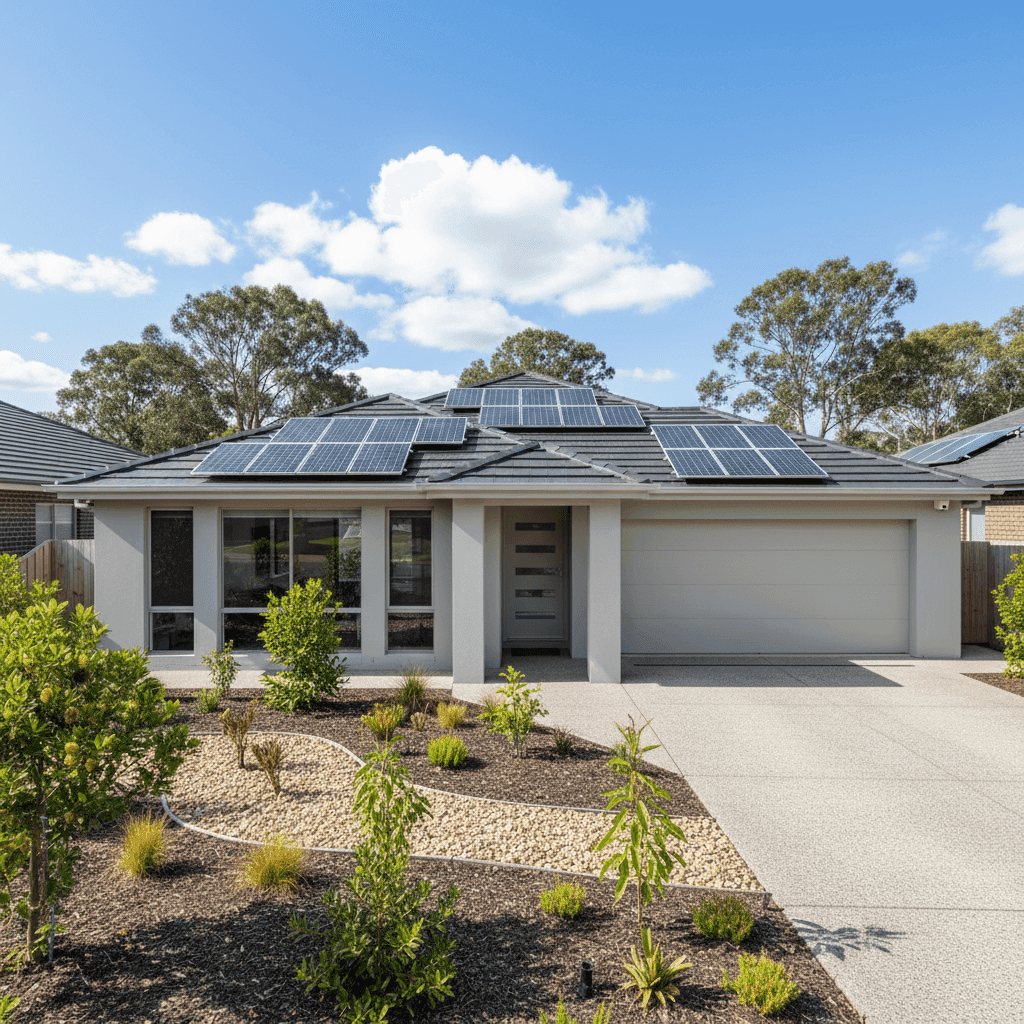
If you own a free standing home in Forster, NSW 2428, you're probably curious whether you're getting a fair deal on your home and contents insurance. Forster is a popular coastal town on the Mid North Coast of New South Wales — a beautiful place to live, but one that comes with its own unique set of insurance considerations. This article breaks down a recent quote of $2,595 per year (or $249/month) for a 3-bedroom, 3-bathroom free standing home in the area, and puts it in context against suburb, state, and national benchmarks.
---
Is This Quote Fair?
The short answer: yes, broadly speaking. This quote has been rated Fair (Around Average) — which means it sits in a reasonable range relative to what other Forster homeowners are paying, without being a standout bargain or an obvious overpayment.
At $2,595 per year, this premium covers:
- Building sum insured: $500,000
- Contents value: $50,000
- Building excess: $5,000
- Contents excess: $5,000
It's worth noting that the relatively high excess of $5,000 on both building and contents is a key reason this premium is sitting at a moderate level. Choosing a higher excess is a common strategy to reduce annual premiums — but it does mean a larger out-of-pocket cost when you need to make a claim. For a brand-new 2024 build in good condition, this trade-off may well be worth it.
---
How Forster Compares
To really understand whether this quote is competitive, it helps to look at the broader picture. Based on data from Forster (NSW 2428) insurance statistics, here's how this premium stacks up:
| Benchmark | Premium |
|---|---|
| This quote | $2,595/yr |
| Forster suburb average | $4,910/yr |
| Forster suburb median | $3,604/yr |
| Forster 25th percentile | $1,649/yr |
| Forster 75th percentile | $7,006/yr |
| LGA (Mid-Coast) average | $5,840/yr |
| NSW state average | $9,528/yr |
| NSW state median | $3,770/yr |
| National average | $5,347/yr |
| National median | $2,764/yr |
This quote sits below both the suburb average ($4,910) and the suburb median ($3,604), which is a positive sign. It's also well below the NSW state average of $9,528 — though that figure is heavily skewed by high-risk and high-value properties across the state.
Compared to the national average of $5,347, this quote looks quite reasonable. The national median of $2,764 is actually slightly higher than this quote, suggesting the property is being insured at a competitive rate relative to Australian homeowners broadly.
The wide spread of premiums in Forster — from $1,649 at the 25th percentile to $7,006 at the 75th percentile — reflects the diverse range of properties in the area, from modest holiday homes to larger coastal residences. With 105 quotes sampled in the suburb, there's a solid dataset to draw meaningful comparisons from.
---
Property Features That Affect Your Premium
Several characteristics of this property directly influence what insurers charge. Here's how each one plays a role:
Hebel External Walls
Hebel (autoclaved aerated concrete) is a modern, lightweight building panel that's increasingly popular in new builds. It's fire-resistant, thermally efficient, and durable — all traits that insurers generally view favourably. Hebel-clad homes can attract slightly more competitive premiums compared to older cladding materials.
Tiled Roof
Terracotta or concrete tiles are considered a robust and fire-resistant roofing option in Australia. Insurers tend to rate tiled roofs more favourably than some alternatives (such as timber shingles), which can positively influence premiums.
Slab Foundation
A concrete slab foundation is standard for modern Australian construction and is generally well-regarded by insurers. It reduces the risk of subsidence and pest-related structural damage compared to older raised timber stumps.
Brand New Construction (2024)
A newly built home is one of the strongest premium-reducing factors available. New builds comply with the latest building codes, use modern materials, and are far less likely to have pre-existing defects or wear-related issues. Insurers reward this with more competitive pricing.
Solar Panels
Solar panels are now a standard feature on many Australian homes, but they do add a layer of complexity for insurers — they represent an additional asset on the roof that can be damaged by hail, storms, or falling debris. It's important to confirm with your insurer that your solar system is explicitly covered under your building policy.
Ducted Climate Control
Ducted air conditioning is a significant built-in system that adds to the replacement value of a home. It's factored into the building sum insured and is worth confirming is adequately covered, particularly given the cost of full system replacement.
Above Average Fittings Quality
With above-average fittings, the $500,000 building sum insured needs to accurately reflect the cost of rebuilding with comparable quality materials and fixtures. Underinsurance is a real risk — if your sum insured doesn't account for premium finishes, you could be left short at claim time.
---
Tips for Homeowners in Forster
1. Review Your Sum Insured Annually
Building costs have risen significantly across Australia in recent years. Even for a new 2024 build, it's worth reassessing your $500,000 sum insured each year to ensure it still reflects current construction costs — especially given the above-average fittings in this property. Use a building calculator or speak with a quantity surveyor if you're unsure.
2. Understand Your Excess Before Claiming
A $5,000 excess is on the higher end of the spectrum. Before lodging a claim, always weigh the repair or replacement cost against your excess. For smaller incidents — a cracked tile, a minor appliance issue — it may not be worth claiming at all, as it could affect your claims history and future premiums.
3. Confirm Solar Panel Coverage
Solar systems are a meaningful investment, and not all policies cover them automatically or in full. Ask your insurer specifically: Are the panels covered for storm and hail damage? Is the inverter included? What's the replacement value covered? Getting this in writing can save significant stress down the track.
4. Compare Quotes Regularly
Even a "Fair" rating means there may be better value out there. The Forster market shows a wide range of premiums, and your circumstances may qualify you for more competitive pricing with a different insurer. Shopping around at renewal time — rather than auto-renewing — is one of the simplest ways to save on home insurance.
---
Ready to Compare?
Whether you're happy with your current quote or looking for something better, it pays to see what else is available. Get a home and contents insurance quote at CoverClub and compare options tailored to your Forster property in minutes. With suburb-level insights and transparent pricing data, CoverClub makes it easy to know exactly where you stand.