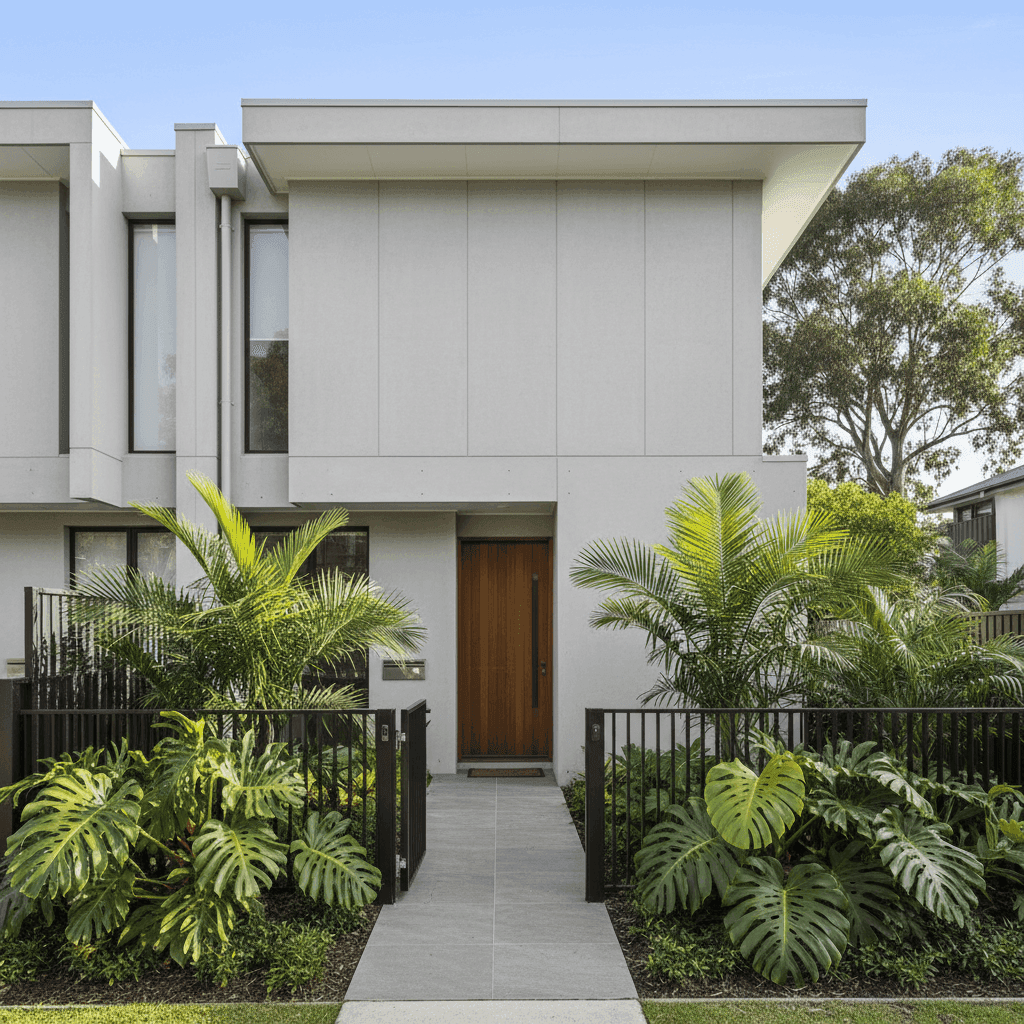
Fortitude Valley is one of Brisbane's most dynamic inner-city suburbs — a compact, vibrant precinct known for its mix of new-build apartments, converted warehouses, and contemporary townhouses. If you own a townhouse here, you're sitting in a location where insurance pricing can vary significantly. This article breaks down a recent home and contents insurance quote for a 1-bedroom townhouse in Fortitude Valley (QLD 4006), rated CHEAP against the local market, and explains what's driving that result.
---
Is This Quote Fair?
The short answer: yes — and then some. At $3,444 per year (or $337/month), this quote comes in well below the suburb average, making it a strong result for the policyholder.
The quote carries a CHEAP (Below Average) price rating, which means it sits meaningfully under what most comparable properties in the area are paying. Given the suburb average sits at $5,153/year and the median at $5,441/year, this policy is saving the homeowner roughly $1,700–$2,000 annually compared to what their neighbours might be paying.
Both the building sum insured ($200,000) and the contents cover ($20,000) are relatively modest, which naturally contributes to the lower premium. A 105 sqm concrete townhouse built in 2013 — with standard fittings and no pool or solar panels — is a straightforward risk profile for insurers. There's nothing here that would trigger a significant loading, and the concrete construction is particularly well-regarded from an underwriting perspective.
The excess is set at $1,000 for both building and contents, which is a standard mid-range figure. A higher excess would reduce the premium further, but $1,000 strikes a reasonable balance between out-of-pocket risk and ongoing cost.
---
How Fortitude Valley Compares
To put this quote in proper context, it helps to look at the numbers at every level — suburb, state, and national.
| Benchmark | Average | Median |
|---|---|---|
| Fortitude Valley (4006) | $5,153/yr | $5,441/yr |
| Queensland | $4,547/yr | $3,931/yr |
| National | $2,965/yr | $2,716/yr |
At first glance, Fortitude Valley premiums look steep — and they are, relative to the national picture. The suburb average of $5,153 is 74% higher than the national average of $2,965, and sits notably above the Queensland state average of $4,547/yr as well.
This isn't unusual for an inner-Brisbane suburb. Properties in tightly developed urban corridors tend to attract higher premiums due to factors like storm and flooding exposure, higher rebuild costs per square metre, and the density of risk in the surrounding area. The national average is heavily influenced by lower-risk regional and suburban properties, so the gap between Fortitude Valley and the national figure is expected.
What's particularly interesting is the spread within the suburb itself. With the 25th percentile at $4,950 and the 75th percentile at $5,712, the interquartile range is relatively tight — but this quote, at $3,444, sits well below even the cheapest end of that local range. You can explore Fortitude Valley suburb insurance stats in more detail to see how quotes in this postcode are trending.
> Note: The suburb sample size is 6 quotes, so these figures should be treated as indicative rather than statistically definitive. More data over time will sharpen these benchmarks.
---
Property Features That Affect Your Premium
Several characteristics of this property work in the policyholder's favour from an insurance pricing perspective:
Concrete walls and concrete roof Concrete construction is among the most insurer-friendly combinations available. It's highly resistant to fire, wind damage, and general wear — all factors that reduce the likelihood and severity of a claim. Many insurers apply a discount (or avoid a loading) for full concrete builds, particularly for the roof.
Slab foundation A concrete slab foundation is standard for modern Queensland builds and presents no unusual risk. Older foundations — particularly timber stumps — can attract loadings due to subsidence and pest risk.
Tiled flooring Tiles are durable, water-resistant, and easy to replace compared to timber or carpet. This is a minor but positive factor in contents and building risk assessment.
Built in 2013 A relatively modern construction year means the property was built under contemporary building codes, including those introduced after the 2011 Brisbane floods. Newer builds tend to incorporate better drainage, elevated floor heights, and improved structural standards.
No pool, no solar panels Both features can add complexity — and cost — to a home insurance policy. Pools introduce liability and equipment cover considerations, while solar panels add replacement value and potential roof penetration risks. Their absence keeps this policy clean and straightforward.
Body corporate / strata property As a strata-titled townhouse, the building insurance is likely shared or managed through the body corporate. It's worth confirming exactly what the strata policy covers (typically the building structure and common areas) versus what your individual policy needs to cover (contents and any internal fixtures not covered by the strata). Avoid double-covering — but equally, don't leave gaps.
Ducted climate control Ducted air conditioning is a fixed building feature that adds to the replacement value of the home. It's correctly included in the building sum insured calculation and is worth reviewing periodically as replacement costs for HVAC systems rise.
---
Tips for Homeowners in Fortitude Valley
1. Review your strata policy carefully before buying individual cover In a body corporate arrangement, the strata insurer typically covers the building shell. Your individual policy should focus on contents and any internal improvements. Request a copy of the strata certificate of currency each year so you know exactly what's already covered — and where your own policy needs to pick up.
2. Check your sum insured reflects current rebuild costs $200,000 for a 105 sqm townhouse is on the lower end. While strata arrangements may mean you're not insuring the full structure independently, it's worth confirming this figure is appropriate for your specific ownership interest. Construction costs in South East Queensland have risen sharply in recent years — an underinsured building claim can be a costly surprise.
3. Don't overlook storm and water damage Fortitude Valley sits in an area that has historically experienced flash flooding and severe storm events. Make sure your policy clearly covers storm surge, rainwater ingress, and storm-related water damage. Read the Product Disclosure Statement (PDS) carefully — exclusions around flood versus storm can be nuanced.
4. Compare quotes annually This quote is already well-priced relative to the local market, but insurance pricing shifts each year. Loyalty doesn't always pay — insurers sometimes offer better rates to new customers. Set a reminder to compare quotes at renewal to ensure you're not quietly drifting into an overpriced policy.
---
Find Out What You Should Be Paying
Whether you're a first-time buyer in Fortitude Valley or a long-time owner wondering if your current insurer is still competitive, CoverClub makes it easy to see where your premium sits against the market. Get a home insurance quote today and find out if you're paying a fair price — or if there's room to do better.