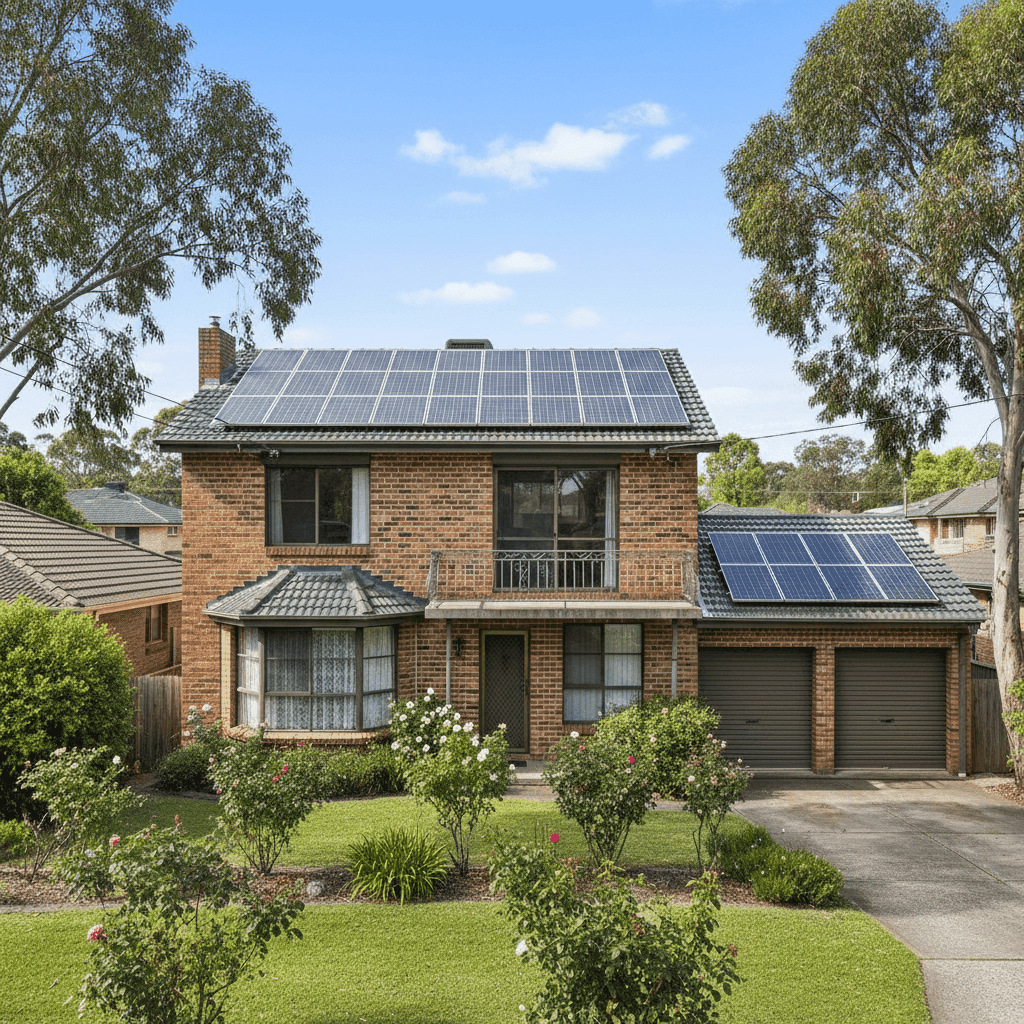
Frankston, sitting on the southern shores of Port Phillip Bay, is one of Melbourne's most recognisable coastal suburbs — and a popular choice for families looking for space without straying too far from the city. If you own a free standing home here, understanding what you should be paying for building insurance is an important part of protecting one of your biggest assets. This article breaks down a real building-only insurance quote for a 4-bedroom, 2-bathroom brick veneer home in Frankston VIC 3199, and puts the numbers in context so you can make a more informed decision.
---
Is This Quote Fair?
The quote in question comes in at $1,196 per year (or about $117 per month) for building-only cover on a 214 sqm free standing home, with a sum insured of $725,000 and a building excess of $5,000.
CoverClub has rated this quote as FAIR — Around Average, and the data backs that up. Based on 59 quotes collected for the Frankston 3199 postcode, the suburb average sits at $1,355 per year and the median at $1,288 per year. That means this quote is tracking below both the local average and median — a modestly positive result for the homeowner.
To put it in percentile terms: the 25th percentile for Frankston premiums is $830 per year, and the 75th percentile is $1,681 per year. At $1,196, this quote falls comfortably in the lower half of the local range — closer to the cheaper end than the expensive end. It's not a standout bargain, but it's certainly not overpriced either.
The "Fair" rating reflects that while the premium is below the suburb average, there's still meaningful room to potentially find a better deal depending on the insurer, policy inclusions, and how aggressively you shop around.
---
How Frankston Compares
One of the most striking things about this quote is how it looks when you zoom out beyond the postcode.
| Benchmark | Annual Premium |
|---|---|
| This Quote | $1,196 |
| Frankston (suburb avg) | $1,355 |
| Frankston (suburb median) | $1,288 |
| VIC state average | $3,000 |
| VIC state median | $2,718 |
| Frankston LGA average | $3,283 |
| National average | $5,347 |
| National median | $2,764 |
The numbers tell an interesting story. At the state level, the average Victorian homeowner is paying around $3,000 per year — more than double this quote. Nationally, the average blows out to $5,347, largely driven by high-risk regions in Queensland and Western Australia where cyclone, flood, and storm exposure push premiums significantly higher.
Even the Frankston LGA average of $3,283 is well above this individual quote, suggesting that while some parts of the broader Frankston local government area carry higher risk profiles, the 3199 postcode itself tends to attract more competitive pricing.
For Victorian homeowners, this context is reassuring. Frankston doesn't carry the extreme weather exposure of northern or coastal Queensland, and that relative stability is reflected in its premiums. That said, storm and flood risk in bayside Melbourne is not zero — something worth keeping in mind when selecting your level of cover.
---
Property Features That Affect Your Premium
Every home is different, and insurers assess a range of property characteristics when calculating your premium. Here's how the features of this particular home likely influence its pricing:
Brick Veneer Walls Brick veneer is one of the most common external wall materials in Australian suburban homes, and insurers generally view it favourably. It offers solid fire resistance and structural durability, which can help moderate premiums compared to timber-clad or weatherboard homes.
Tiled Roof A tiled roof is another relatively low-risk feature in the eyes of insurers. Tiles are durable, fire-resistant, and long-lasting when maintained properly. On a home built in 1980, the roof age is worth monitoring — older tiles can become brittle or develop leaks over time, which may affect claims outcomes.
Stump Foundation This home sits on stumps, which is common for older Victorian homes. Stumps can be a minor risk factor, as they may be subject to movement, rot (if timber), or pest damage over time. Some insurers may factor this into their assessment, though it's rarely a major premium driver on its own.
Timber and Laminate Flooring Timber and laminate floors can be more susceptible to water damage than tiles, which is worth keeping in mind for claims related to burst pipes or flooding. From a premium perspective, it's a minor consideration but not insignificant.
Solar Panels This property has solar panels installed, which some insurers include under building cover automatically, while others may require you to specifically confirm they're covered. It's worth checking your Product Disclosure Statement (PDS) to confirm your panels are included in the sum insured.
Ducted Climate Control Ducted heating and cooling systems are generally covered under building insurance as fixed installations. Again, confirming this with your insurer is a smart move, particularly given the cost of replacing ducted systems if damaged.
Construction Year (1980) A home built in 1980 is over 40 years old, which places it in an age bracket where insurers may apply slightly higher risk weightings due to ageing infrastructure — wiring, plumbing, and roofing in particular. Keeping up with maintenance and having records of any upgrades can help your case at claim time.
---
Tips for Homeowners in Frankston
1. Review your sum insured regularly At $725,000, the building sum insured on this policy needs to accurately reflect the cost to rebuild — not the market value of the property. With construction costs rising across Victoria, it's worth getting a building cost estimate every year or two to make sure you're not underinsured.
2. Confirm solar panels and ducted systems are covered These are valuable fixed assets. Contact your insurer directly or review your PDS to ensure both your solar panel system and ducted climate control are explicitly included in your building cover.
3. Shop around — even a "Fair" quote has room to improve A "Fair" rating means you're around average, not at the best available price. Using a comparison platform like CoverClub to run multiple quotes takes just a few minutes and could reveal a meaningfully cheaper option with comparable cover.
4. Consider your excess carefully This policy carries a $5,000 building excess. A higher excess typically lowers your annual premium, but it means you'll pay more out of pocket before your insurer steps in. Make sure that $5,000 figure is genuinely comfortable for your financial situation — particularly for smaller claims like storm damage to the roof.
---
Ready to Compare?
Whether you're renewing your policy or shopping for the first time, it pays to see what's available across the market. CoverClub makes it easy to compare home insurance quotes for properties across Frankston and the rest of Victoria — all in one place. Get a quote today and find out if you could be paying less for the same level of protection.