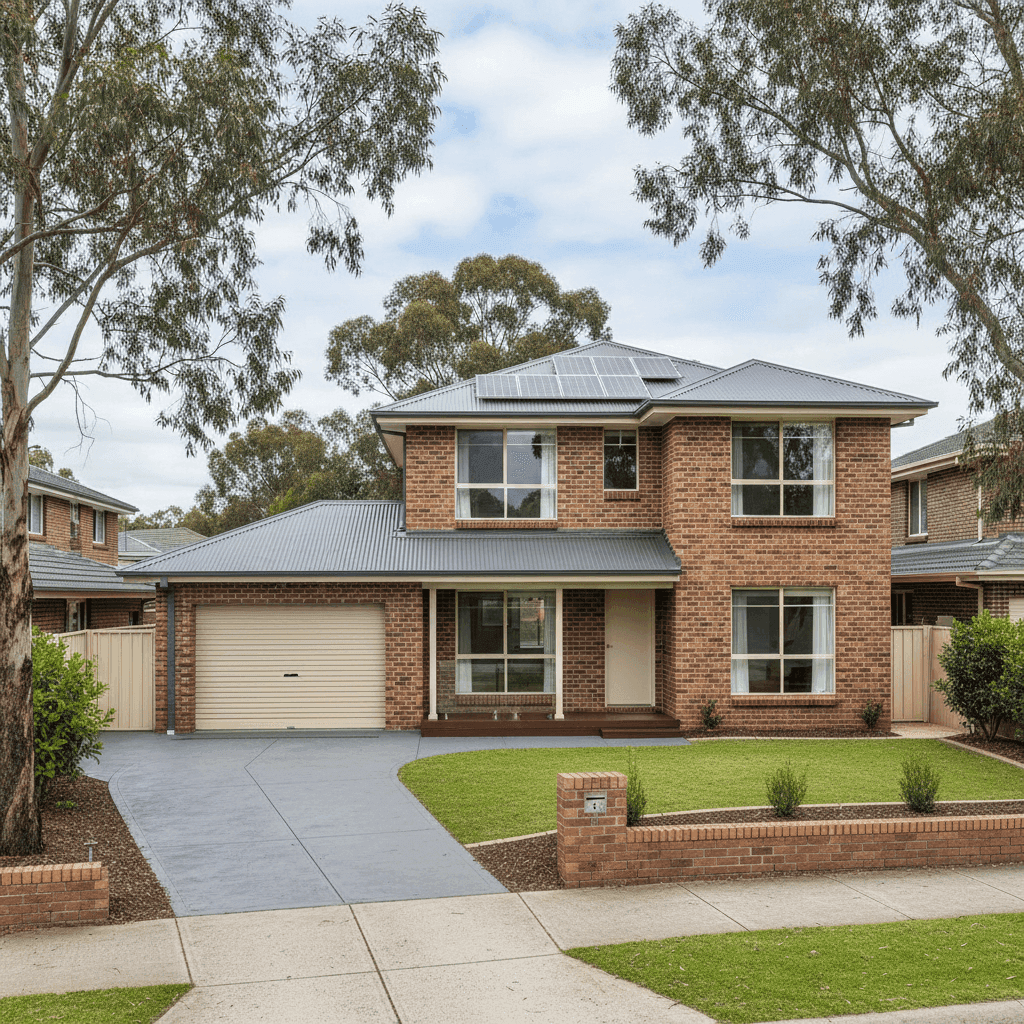
If you own a five-bedroom free standing home in Frankston, VIC 3199, you already know the suburb offers a compelling mix of coastal lifestyle, strong community infrastructure, and relatively accessible property prices compared to inner Melbourne. But when it comes to home and contents insurance, how much should you expect to pay — and is the quote sitting in front of you actually competitive?
In this article, we break down a real insurance quote for a property in Frankston, compare it against local, state, and national benchmarks, and share practical tips to help you get better value on your cover.
---
Is This Quote Fair?
The quote under review comes in at $2,708 per year (or $253/month) for combined home and contents insurance, covering a building sum insured of $799,000 and contents valued at $100,000, each with a $1,000 excess.
Our price rating for this quote is EXPENSIVE — above average for the Frankston area.
To put that into perspective, the average home and contents premium across Frankston (postcode 3199) sits at just $1,355 per year, with a median of $1,288. This quote is almost exactly double the suburb average — a significant gap that's worth interrogating before you sign on the dotted line.
That said, context matters. This is a large property: 334 sqm of living space across five bedrooms and three bathrooms, built in 1975, with features like ducted climate control and solar panels. Larger homes with higher sums insured will naturally attract higher premiums. The $799,000 building sum insured is also on the upper end, which directly drives up the cost to insure.
Still, even accounting for the property's size and value, a premium more than double the suburb average warrants a closer look. Comparing quotes from multiple insurers is strongly recommended before committing.
---
How Frankston Compares
Understanding where Frankston sits in the broader insurance landscape can help you gauge whether your premium is reasonable or inflated.
| Benchmark | Average Premium | Median Premium |
|---|---|---|
| Frankston (3199) | $1,355/yr | $1,288/yr |
| Frankston LGA | $3,283/yr | — |
| Victoria (VIC) | $3,000/yr | $2,718/yr |
| National | $5,347/yr | $2,764/yr |
(Based on 59 quotes sampled for the Frankston postcode)
A few things stand out here. First, the suburb-level averages are notably lower than both the LGA and state figures — suggesting that the broader Frankston LGA includes some higher-risk or higher-value pockets that push those numbers up. Second, the national average of $5,347 is remarkably high, largely skewed by extreme weather-prone regions in Queensland and Western Australia, which face cyclone, flood, and storm risks far exceeding what most Victorian homeowners deal with.
At $2,708, this quote sits below the VIC average ($3,000) and well below the national average — but it's still significantly above what most Frankston postcode holders are paying. You can explore the full breakdown of Frankston insurance statistics, compare Victoria-wide data, or check out national home insurance benchmarks to see how your situation stacks up.
---
Property Features That Affect Your Premium
Several characteristics of this property influence what insurers charge. Here's how each one plays a role:
Brick Veneer Walls & Colorbond Roof
Brick veneer is one of the most common wall types in Australian suburban homes and is generally viewed favourably by insurers — it's durable and fire-resistant. A steel Colorbond roof is similarly well-regarded: lightweight, long-lasting, and resistant to corrosion. Together, these materials typically support more competitive premiums compared to timber weatherboard or older tile roofs.
Construction Year: 1975
A home built in 1975 is now over 50 years old. While it may be structurally sound, older homes can carry higher risk in the eyes of insurers — ageing plumbing, wiring, and roofing materials can all increase the likelihood of a claim. Some insurers apply age loadings that push premiums up for pre-1980s properties.
Slab Foundation & Timber/Laminate Flooring
A concrete slab foundation is generally stable and low-risk, particularly in areas without significant subsidence concerns. Timber and laminate flooring, however, can be more susceptible to water damage — an important consideration when assessing contents and building cover.
Solar Panels
Solar panels are an increasingly common feature and are typically covered under building insurance. However, they do add to the replacement cost of the home, which may contribute slightly to a higher building sum insured and, by extension, a higher premium.
Ducted Climate Control
Ducted heating and cooling systems are expensive to repair or replace. Their presence can push up the replacement cost of the building, which insurers factor into the premium calculation.
Size: 334 sqm, 5 Bedrooms, 3 Bathrooms
Simply put, this is a large home. More floor space means a higher rebuild cost, and more rooms mean more contents to cover. Both factors contribute to the elevated premium relative to the suburb average.
---
Tips for Homeowners in Frankston
1. Shop Around — Seriously
The gap between this quote and the suburb average is large enough to suggest that a better deal is available. Use a comparison platform like CoverClub to request multiple quotes and find the most competitive rate for your specific property.
2. Review Your Sum Insured Carefully
A $799,000 building sum insured is significant. Make sure this figure reflects the rebuild cost of your home — not its market value. Overinsuring can inflate your premium unnecessarily, while underinsuring leaves you exposed. Tools like the Cordell Sum Sure Calculator can help you arrive at an accurate figure.
3. Consider a Higher Excess
Both the building and contents excess on this policy sit at $1,000. Opting for a higher voluntary excess — say, $2,000 — can meaningfully reduce your annual premium. Just make sure you can comfortably cover that amount out of pocket if you need to make a claim.
4. Bundle Smartly, But Don't Assume It's Cheaper
Many insurers offer discounts for combining home and contents cover under one policy. This quote does bundle both, which is a good starting point. However, it's still worth checking whether separate policies from different providers could come out cheaper overall.
---
Compare Your Options with CoverClub
Whether this quote is right for you depends on your full picture — your risk tolerance, your budget, and the specific cover inclusions on offer. What's clear is that at nearly double the Frankston suburb average, there's good reason to explore your options before renewing or accepting this premium.
Get a home insurance quote through CoverClub and see how leading Australian insurers price your property in minutes. It's free, fast, and could save you hundreds of dollars a year.