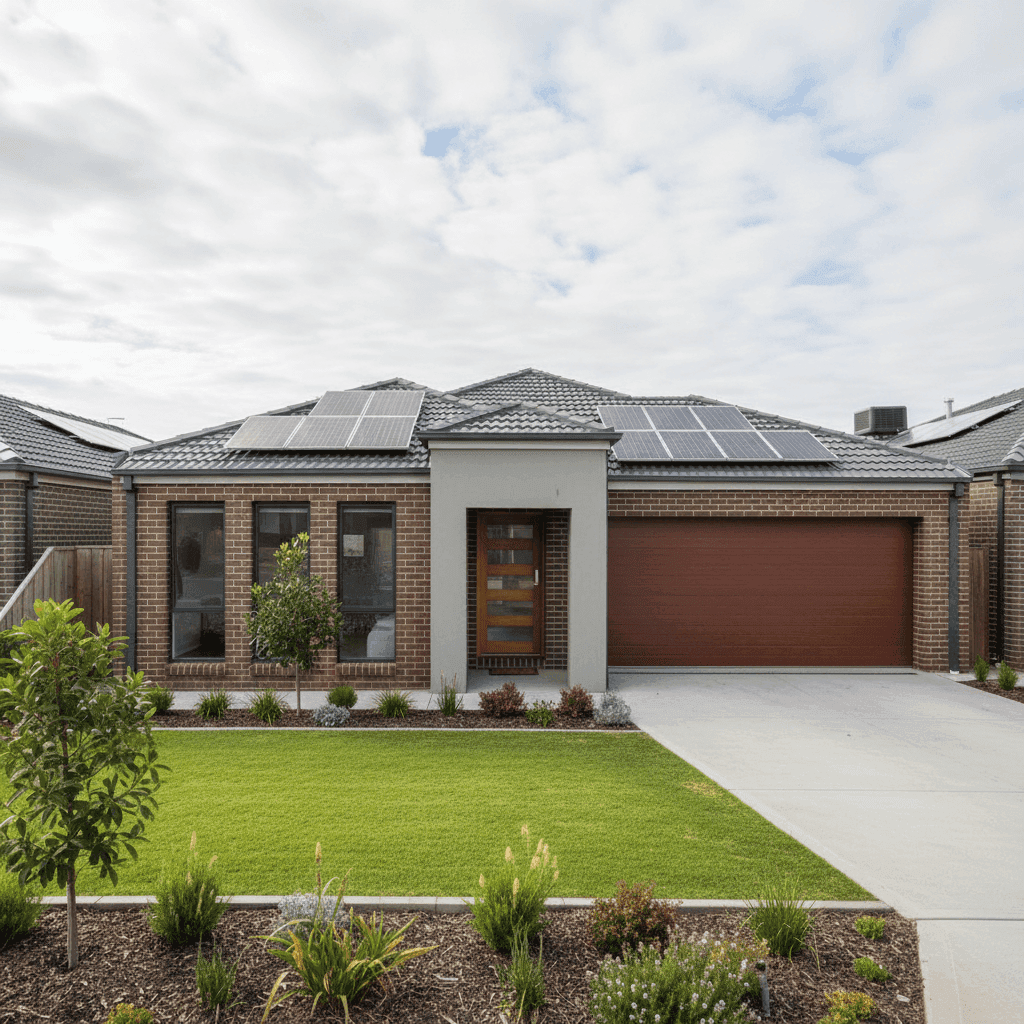
Fraser Rise is one of Melbourne's fastest-growing outer-western suburbs, and with new homes continuing to spring up across the Melton corridor, more homeowners are asking the same question: am I paying a fair price for my home insurance? This article breaks down a real home and contents insurance quote for a four-bedroom, free-standing home in Fraser Rise (VIC 3336) — and puts it under the microscope against local, state, and national benchmarks.
---
Is This Quote Fair?
The quote in question comes in at $1,184 per year (or roughly $113 per month) for a combined home and contents policy. It covers a building sum insured of $614,000 and contents valued at $99,000, with a $2,000 excess applying to both building and contents claims.
Our price rating for this quote? Cheap — below average. That's a strong result for any homeowner.
To put it in perspective, the suburb average for Fraser Rise sits at $2,008 per year, with a median of $1,736. This quote comes in well below even the 25th percentile — meaning it's cheaper than at least 75% of comparable quotes we've seen for this postcode. That's genuinely impressive, and not something every homeowner in the area can expect to replicate without shopping around.
---
How Fraser Rise Compares
To truly appreciate this quote, it helps to zoom out and look at the broader picture.
| Benchmark | Average Premium | Median Premium |
|---|---|---|
| Fraser Rise (3336) | $2,008/yr | $1,736/yr |
| LGA (Melton) | $1,803/yr | — |
| Victoria | $2,921/yr | $2,694/yr |
| National | $2,965/yr | $2,716/yr |
Fraser Rise — and the Melton LGA more broadly — actually fares quite well compared to Victorian state averages and national benchmarks. The suburb average of $2,008 is around 31% lower than the Victorian average and roughly 32% below the national average. This reflects a combination of factors: relatively low flood and bushfire risk for much of the suburb, newer housing stock, and the prevalence of standard brick veneer construction — all of which tend to attract more competitive premiums.
That said, the quote analysed here — at $1,184 — sits 41% below the Fraser Rise suburb average, which is a significant saving. Based on a sample of 65 quotes collected for this postcode, this result is firmly in "cheap" territory.
---
Property Features That Affect Your Premium
Several characteristics of this particular property work in the homeowner's favour when it comes to pricing.
Brick Veneer Construction Brick veneer is one of the most common wall materials in Australian suburban homes, and insurers generally view it favourably. It offers solid fire resistance and durability, which can translate to lower premiums compared to timber-framed or clad exteriors.
Tiled Roof A tiled roof is another tick in the right column. Tiles are long-lasting and relatively low-maintenance, and insurers tend to price them more competitively than older or more vulnerable roofing materials like iron or asbestos sheeting.
Slab Foundation Concrete slab foundations are standard for homes of this era and construction type. They're structurally sound and less susceptible to subsidence or pest-related damage compared to raised timber stumped foundations, which can be a factor in older Victorian homes.
Built in 2014 At just over a decade old, this home sits in a sweet spot for insurers. It's modern enough to meet current building codes — including improved fire and structural standards — but not so new that replacement costs are at a premium. Homes built after major regulatory updates tend to be cheaper to insure than their older counterparts.
Solar Panels The presence of solar panels does add a small layer of complexity to home insurance. Panels need to be covered under the building policy, and some insurers may factor in the replacement cost. However, many modern policies handle this well, and it's worth confirming your sum insured accounts for the panels' value.
Ducted Climate Control Ducted heating and cooling systems are a fixed building fixture and should be included in your building sum insured. At 214 sqm, this home's system would represent a meaningful replacement cost — so it's good practice to ensure your insured amount reflects this.
No Pool, No Cyclone Risk The absence of a swimming pool removes a common liability and maintenance risk that can push premiums up. And being in metropolitan Melbourne, this property sits well outside any cyclone-designated risk zones — a factor that significantly affects premiums in northern and coastal Queensland.
---
Tips for Homeowners in Fraser Rise
1. Review Your Building Sum Insured Regularly Construction costs in Victoria have risen sharply in recent years. A sum insured of $614,000 for a 214 sqm home works out to roughly $2,869 per square metre — which is reasonable, but worth revisiting annually. Underinsurance is one of the most common and costly mistakes homeowners make.
2. Don't Overlook Your Solar Panels If you've installed solar panels since your policy was last updated, make sure they're explicitly covered and that your building sum insured has been adjusted accordingly. Some policies include them automatically; others require you to list them separately.
3. Shop Around at Renewal Even if you're on a great rate now, premiums can shift at renewal — sometimes significantly. The spread between the 25th percentile ($1,347) and 75th percentile ($2,347) in Fraser Rise shows there's a wide range of pricing in this suburb. Comparing quotes before you renew is one of the easiest ways to stay on the right side of that range.
4. Consider Your Excess Carefully This policy carries a $2,000 excess on both building and contents. A higher excess typically means a lower premium, but it's important to make sure you could comfortably cover that amount out of pocket in the event of a claim. If cash flow is a concern, a lower excess — even at a slightly higher premium — might be the smarter choice.
---
Compare Your Own Quote
Whether you're a new homeowner in Fraser Rise or coming up for renewal, it pays to know where your premium sits relative to the market. Get a home insurance quote at CoverClub and see how your current policy stacks up — you might be surprised by how much room there is to save. You can also explore detailed Fraser Rise insurance statistics to better understand what others in your postcode are paying.