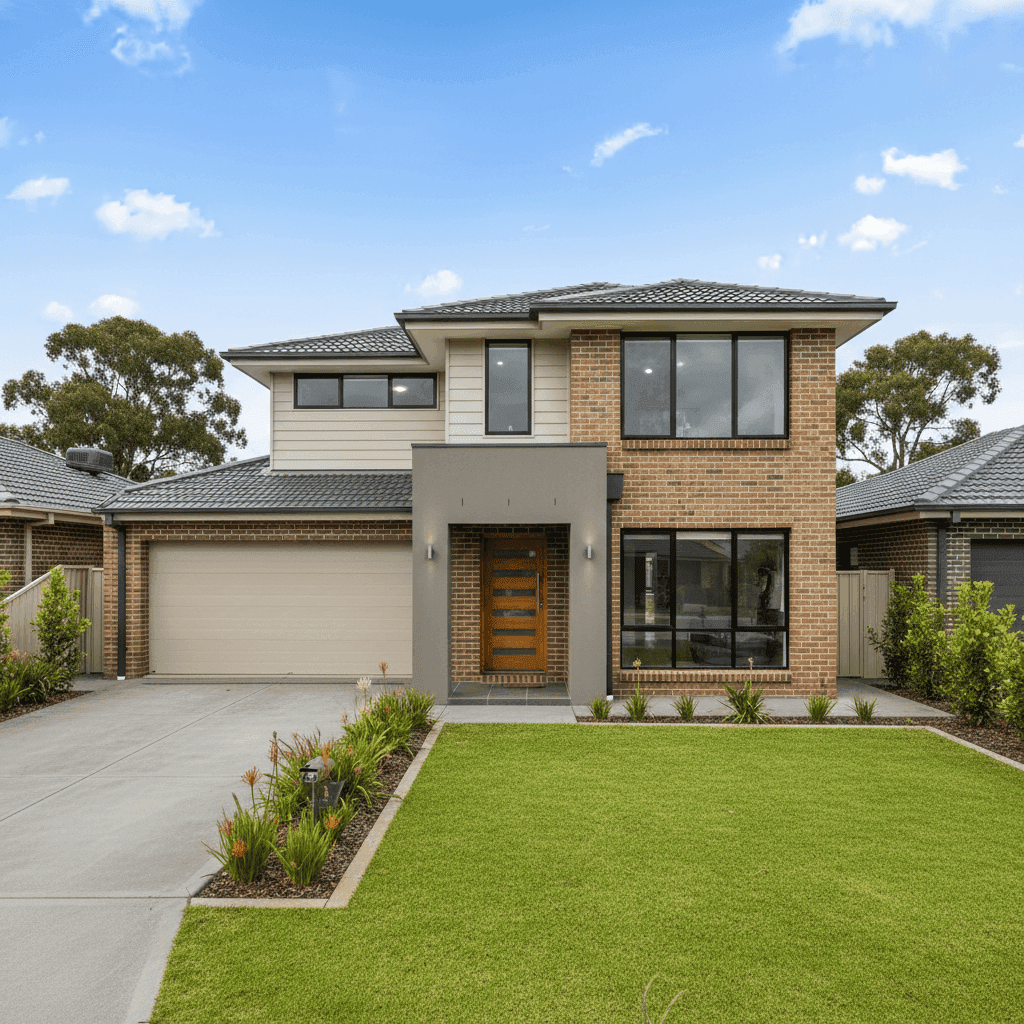
Fraser Rise is one of Melbourne's fastest-growing outer-western suburbs, and with new homes continuing to spring up across the Melton corridor, more homeowners are asking a very reasonable question: am I paying a fair price for my home insurance? This article takes a close look at a real home and contents insurance quote for a four-bedroom, free-standing home in Fraser Rise (VIC 3336) — and puts the numbers in context so you can make a more informed decision about your own cover.
---
Is This Quote Fair?
The quote in question comes in at $1,224 per year (or about $115 per month) for a combined home and contents policy. It covers a building sum insured of $482,000 and contents valued at $104,000, with a $1,000 excess on both building and contents claims.
Our price rating for this quote is FAIR — Around Average, and the data backs that up. Based on 43 quotes collected for Fraser Rise, the suburb average sits at $1,210 per year and the median at $1,150 per year. At $1,224, this quote lands just above both of those figures — comfortably within the middle of the pack, but not the sharpest price available in the area.
To put it another way: 25% of Fraser Rise homeowners are paying under $968 per year, while 25% are paying more than $1,383. This quote falls between the median and the 75th percentile, which means there's likely room to find a better deal — but you're certainly not being gouged.
---
How Fraser Rise Compares
One of the most striking things about this quote is just how affordable Fraser Rise is relative to the broader market.
The Victorian state average for home insurance sits at $3,000 per year, with a median of $2,718. That means this Fraser Rise quote is less than half the state average — a significant difference that reflects the suburb's relatively low-risk profile, newer housing stock, and distance from high-bushfire and high-flood zones that push premiums up elsewhere in Victoria.
Zoom out further to the national picture, and the contrast is even starker. The national average premium is $5,347 per year, driven up by high-risk regions in Queensland, Western Australia, and northern Australia where cyclone, flood, and storm exposure is severe. The national median of $2,764 is still more than double what this Fraser Rise homeowner is paying.
Even within the Melton LGA, this quote is well below average. The LGA-wide average premium is $2,509 per year — more than twice this quote — suggesting that properties elsewhere in Melton may carry greater risk factors or higher rebuild costs.
For Fraser Rise homeowners, the takeaway is encouraging: you're living in a suburb where insurance is genuinely more affordable than most of Victoria and the country at large.
---
Property Features That Affect Your Premium
Insurance premiums aren't calculated in a vacuum — every feature of a property plays a role. Here's how the characteristics of this particular home influence its pricing:
Brick veneer construction and tiled roof are considered low-to-moderate risk by most insurers. Brick veneer offers solid fire resistance compared to timber-clad homes, and concrete tiles are durable and less susceptible to storm damage than some other roofing materials. Both features tend to attract more competitive premiums.
Slab foundation is the standard for modern Melbourne suburban builds and is generally viewed favourably by underwriters, as it reduces the risk of subsidence-related claims compared to older pier-and-beam foundations.
Built in 2016, this is a relatively new home. Newer builds benefit from modern construction standards, updated wiring and plumbing, and compliance with contemporary building codes — all of which reduce the likelihood of claims and can contribute to lower premiums.
214 sqm of floor area with four bedrooms and two bathrooms is a sizeable family home, and the $482,000 building sum insured reflects that. It's worth noting that the sum insured should represent the cost to rebuild, not the market value of the property — and for a home of this size and construction type in Melbourne's west, that figure appears reasonable.
Ducted climate control is worth flagging as a contents or building inclusion. Ducted systems can be expensive to repair or replace, and ensuring your policy adequately covers this as either a building fixture or high-value item is important.
No pool and no solar panels simplify the risk profile slightly — both can add complexity and cost to a policy, so their absence keeps things straightforward.
---
Tips for Homeowners in Fraser Rise
Whether you're reviewing an existing policy or shopping for new cover, here are four practical steps worth taking:
- Check your building sum insured regularly. Construction costs have risen sharply in recent years. A sum insured set even two or three years ago may no longer be sufficient to fully rebuild your home. Use a building cost calculator or speak with a local builder to get an updated estimate.
- Don't over-insure your contents, but don't under-insure either. $104,000 is a common contents figure for a four-bedroom family home, but it's worth doing a room-by-room inventory. High-value items like jewellery, electronics, and artwork may need to be listed separately to be fully covered.
- Consider your excess strategically. A $1,000 excess is fairly standard, but opting for a higher excess can meaningfully reduce your annual premium. If you have the savings buffer to absorb a larger out-of-pocket cost in the event of a claim, this trade-off can make financial sense.
- Compare quotes at renewal time. Loyalty doesn't always pay in insurance. Premiums can shift significantly from year to year, and the difference between the cheapest and most expensive quotes in Fraser Rise spans over $400 annually. Taking 10 minutes to compare at renewal could put real money back in your pocket.
---
Ready to Compare Home Insurance in Fraser Rise?
Whether this quote looks like a good deal or you think you can do better, the smartest move is to compare your options. At CoverClub, we make it easy to see how your current premium stacks up against real quotes from across the market. Get a quote today and find out if you're getting the cover you deserve at a price that makes sense for your home in Fraser Rise.