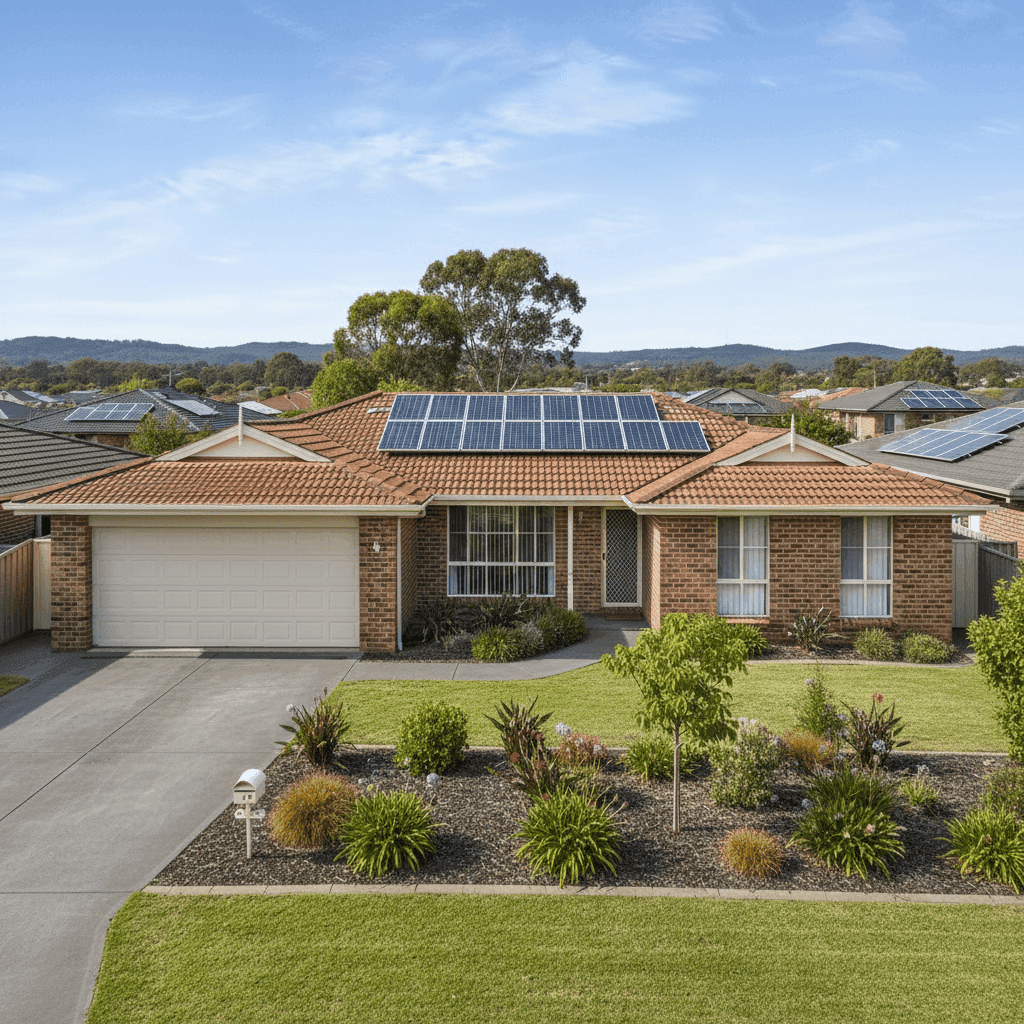
Nestled along the Hawkesbury River in New South Wales, Freemans Reach is a quiet semi-rural suburb that attracts families and lifestyle seekers alike. If you own a free standing home in this pocket of the Hawkesbury region, understanding what you should be paying for home insurance — and why — can make a real difference to your household budget. This article breaks down a real home and contents insurance quote for a 4-bedroom property in Freemans Reach (postcode 2756), comparing it against local, state, and national benchmarks so you can make a more informed decision.
---
Is This Quote Fair?
The quote in question comes to $2,147 per year (or about $210 per month) for combined home and contents cover, with a building sum insured of $968,000 and contents valued at $18,000. The building excess sits at $2,000 and the contents excess at $1,000.
Our pricing analysis rates this quote as FAIR — Around Average. That's actually a solid result for a homeowner in this area. The premium lands comfortably below both the NSW state average and the national average, suggesting the insurer has priced this property reasonably given its characteristics and location.
It's worth noting that "fair" doesn't necessarily mean you can't do better — it means this quote is in the expected range for a property of this type. Shopping around is always worthwhile, and even a modest saving of a few hundred dollars a year adds up over time.
---
How Freemans Reach Compares
To put this quote into context, here's how it stacks up against the available benchmarks:
| Benchmark | Premium |
|---|---|
| This Quote | $2,147/yr |
| Freemans Reach Suburb Average | $2,492/yr |
| Freemans Reach Suburb Median | $2,722/yr |
| Freemans Reach 25th Percentile | $1,852/yr |
| Freemans Reach 75th Percentile | $2,945/yr |
| NSW State Average | $3,801/yr |
| NSW State Median | $3,410/yr |
| National Average | $2,965/yr |
| National Median | $2,716/yr |
| Lithgow LGA Average | $5,454/yr |
At $2,147, this quote sits below the suburb average of $2,492 and well under the suburb median of $2,722 — meaning it's better than what most comparable properties in the area are paying. It also comes in significantly below the NSW state average of $3,801 and the national average of $2,965.
One figure that stands out is the Lithgow LGA average of $5,454 — considerably higher than what's being quoted here. Freemans Reach falls within the Hawkesbury LGA rather than Lithgow, which likely explains the more favourable pricing. Properties in bushfire-prone or flood-affected LGAs like parts of Lithgow can attract substantially higher premiums, so location within the broader region matters enormously.
For more localised data, you can explore the Freemans Reach suburb insurance statistics on CoverClub.
---
Property Features That Affect Your Premium
Every property is different, and insurers assess a range of physical characteristics when calculating your premium. Here's how the features of this particular home likely influence the price:
Brick Veneer Walls & Tiled Roof Brick veneer construction is generally viewed favourably by insurers. It's durable, fire-resistant, and widely understood by builders — making it cheaper to repair or rebuild than some alternative materials. A tiled roof similarly signals longevity and lower weather-related risk compared to corrugated iron or older asbestos-cement sheeting. Together, these features likely contribute to a more competitive premium.
Slab Foundation A concrete slab foundation is common in homes built from the 1970s onwards and is generally considered structurally sound. It removes some of the risks associated with subfloor spaces (such as termite ingress or moisture damage), which can work in the homeowner's favour at assessment time.
Built in 1984 At roughly 40 years old, this home is mature but not ancient. Insurers may apply some loading for older properties due to the likelihood of ageing plumbing, wiring, or roofing — but a 1984 build is generally still within an acceptable risk band, particularly if it has been well maintained.
Solar Panels The presence of solar panels adds a layer of complexity to home insurance. Panels need to be covered under the building policy, and their replacement cost can be significant. Homeowners should confirm that their solar system is explicitly covered in the policy wording and that the sum insured reflects the cost of replacing the panels, inverter, and any battery storage.
Ducted Climate Control Ducted air conditioning is a fixed installation and typically covered under building insurance. It's worth double-checking that the sum insured accounts for the full replacement cost of the system, as these can run into the tens of thousands of dollars.
No Pool The absence of a swimming pool removes one source of potential liability and maintenance-related claims, which can modestly reduce premium costs.
Standard Fittings With standard-quality fittings throughout, the rebuild cost per square metre is more predictable and typically lower than a home with high-end finishes. This helps keep the sum insured — and therefore the premium — more manageable.
---
Tips for Homeowners in Freemans Reach
1. Review Your Building Sum Insured Carefully At $968,000, the building sum insured needs to reflect the full cost of rebuilding your home from scratch — not its market value. With construction costs rising across NSW, it's worth getting an independent building valuation or using an online calculator to verify this figure. Being underinsured can leave you significantly out of pocket after a major claim.
2. Confirm Solar Panel Coverage Solar installations are a common source of confusion in home insurance policies. Contact your insurer directly to confirm your panels are covered, understand any exclusions (such as mechanical breakdown versus storm damage), and check whether the replacement value in your policy matches current market prices for your system.
3. Consider Your Excess Levels This policy carries a $2,000 building excess and $1,000 contents excess. Opting for a higher excess is one of the most straightforward ways to reduce your annual premium — but only if you're confident you could comfortably cover that amount in the event of a claim. Review your financial position and adjust accordingly.
4. Shop Around at Renewal Time Even if your current quote is rated as fair, loyalty doesn't always pay in insurance. Premiums can shift significantly between insurers for the same property. Set a reminder to compare quotes at least 30 days before your renewal date to ensure you're still getting a competitive deal.
---
Compare Your Home Insurance Today
Whether you're renewing your existing policy or insuring a new property in Freemans Reach, it pays to see what's available across the market. CoverClub makes it easy to compare home and contents insurance quotes side by side, so you can find cover that suits both your property and your budget. Get a quote today at CoverClub and see how your premium stacks up.