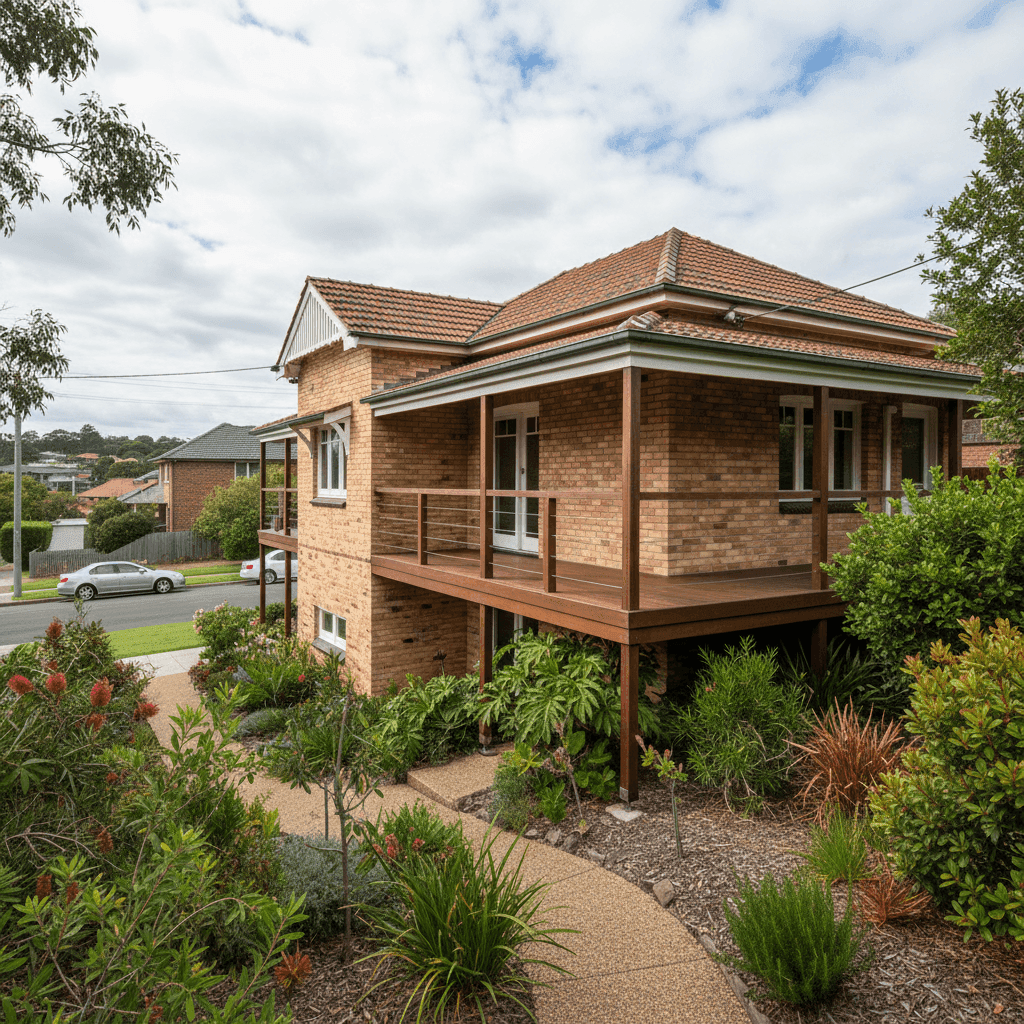
Freshwater is one of Sydney's most beloved Northern Beaches suburbs — a relaxed coastal community sitting between Manly and Curl Curl, known for its heritage character homes and laid-back surf culture. If you own a free standing home here, you're sitting on a significant asset, and making sure it's properly protected is essential. This article breaks down a real building insurance quote for a 3-bedroom free standing home in Freshwater, NSW 2096, and puts the numbers into context so you can judge whether you're getting a fair deal.
---
Is This Quote Fair?
The annual premium for this property came in at $1,251 per year (or roughly $115 per month) for building-only cover on a sum insured of $549,000. Our price rating? Cheap — below average.
That's a meaningful result. With a building excess of $5,000, the insurer has priced in a degree of self-insurance for smaller claims, which partly explains the competitive premium. But even accounting for the higher excess, this quote sits well below what most Freshwater homeowners are paying.
To put it plainly: if you received a quote like this, it deserves serious consideration — provided the policy terms and inclusions meet your needs.
---
How Freshwater Compares
Here's where the numbers get interesting. Based on data from CoverClub's Freshwater suburb stats, the local premium landscape looks like this:
| Benchmark | Annual Premium |
|---|---|
| This quote | $1,251 |
| Suburb 25th percentile | $2,236 |
| Suburb median | $2,545 |
| Suburb average | $2,753 |
| Suburb 75th percentile | $3,064 |
| LGA (Northern Beaches) average | $3,266 |
This quote comes in at less than half the suburb median of $2,545 — and well below the Northern Beaches LGA average of $3,266. That's a substantial saving by any measure.
Zooming out to a state level, the picture becomes even more striking. According to NSW home insurance data, the average annual premium across New South Wales is $9,528, though the median sits at a more representative $3,770 — the large gap between these two figures suggests that high-risk properties (think flood zones, bushfire-prone areas) are pulling the average upward significantly. Either way, this Freshwater quote beats both benchmarks comfortably.
At a national level, the average premium is $5,347 and the median is $2,764. Again, this quote lands well below both figures, reinforcing the Cheap price rating.
It's worth noting that the suburb sample size is 10 quotes, so while directionally useful, the local data should be interpreted with some caution. As more quotes are collected, these averages will become increasingly reliable.
---
Property Features That Affect Your Premium
Several characteristics of this property work in its favour from an insurance pricing perspective:
Double Brick Construction
Double brick is widely regarded by insurers as one of the most resilient wall materials available. It offers excellent structural integrity, strong fire resistance, and durability against the elements — all of which translate into lower risk and, typically, lower premiums compared to timber-framed or clad homes.
Tiled Roof
Terracotta or concrete tiles are a standard, well-understood roofing material for insurers. They're durable, relatively low maintenance, and perform well in most weather conditions. This is a neutral-to-positive factor in premium calculations.
Elevated on Stumps
The property is elevated by at least one metre on stumps — a classic feature of older Australian homes, particularly those built in the mid-20th century. Elevation can actually be a positive for flood risk (water is less likely to inundate the living areas), though it does introduce some structural considerations around the subfloor. In Freshwater's context, where the terrain is undulating and drainage is generally reasonable, elevation is unlikely to be a negative pricing factor.
Construction Year: 1959
At 65+ years old, this is a character home with history. Older homes can attract slightly higher premiums due to the cost of sourcing period-appropriate materials and trades for repairs. However, double brick construction from this era tends to age very well, which mitigates some of that concern.
Ducted Climate Control
The presence of ducted climate control adds to the replacement cost of the home, which is reflected in the sum insured. It's a modern comfort feature that insurers factor into their risk models.
No Pool, No Solar Panels
The absence of a pool removes a common liability risk, and no solar panels means one less system that could be damaged in a storm or require specialist repair. Both of these factors contribute to a cleaner, lower-risk risk profile.
No Cyclone Risk
Freshwater is not in a designated cyclone risk zone, which is a significant premium advantage compared to properties in Queensland or northern WA.
---
Tips for Homeowners in Freshwater
Whether you've just received your first quote or you're reviewing your existing policy at renewal, here are some practical steps worth taking:
- Review your sum insured carefully. At $549,000 for a 235 sqm double brick home in Freshwater, the sum insured should reflect full rebuild cost — not market value. Use a building cost calculator or speak with a quantity surveyor to make sure you're not underinsured. Construction costs have risen sharply in recent years.
- Understand your excess trade-off. This quote carries a $5,000 building excess. That's on the higher end and means you'll be covering the first $5,000 of any claim yourself. If that feels uncomfortable, it's worth getting comparison quotes with a lower excess to see how much it affects the premium.
- Check what's actually covered. Building-only cover protects the structure but not your belongings. If you haven't arranged separate contents insurance, now is a good time to consider it — especially in a coastal suburb where storm and water damage can affect both the building and everything inside it.
- Compare at renewal, every year. Insurance premiums can shift significantly from year to year, and loyalty doesn't always pay. Running a fresh comparison through CoverClub at each renewal takes minutes and could save you hundreds.
---
Get a Quote for Your Freshwater Home
If you own a home in Freshwater or anywhere across the Northern Beaches, it pays to see what the market is offering before you commit to a policy. CoverClub makes it easy to compare building and contents insurance quotes side by side, with real pricing data drawn from across Australia. Start your free quote today and find out where your premium sits relative to your neighbours.