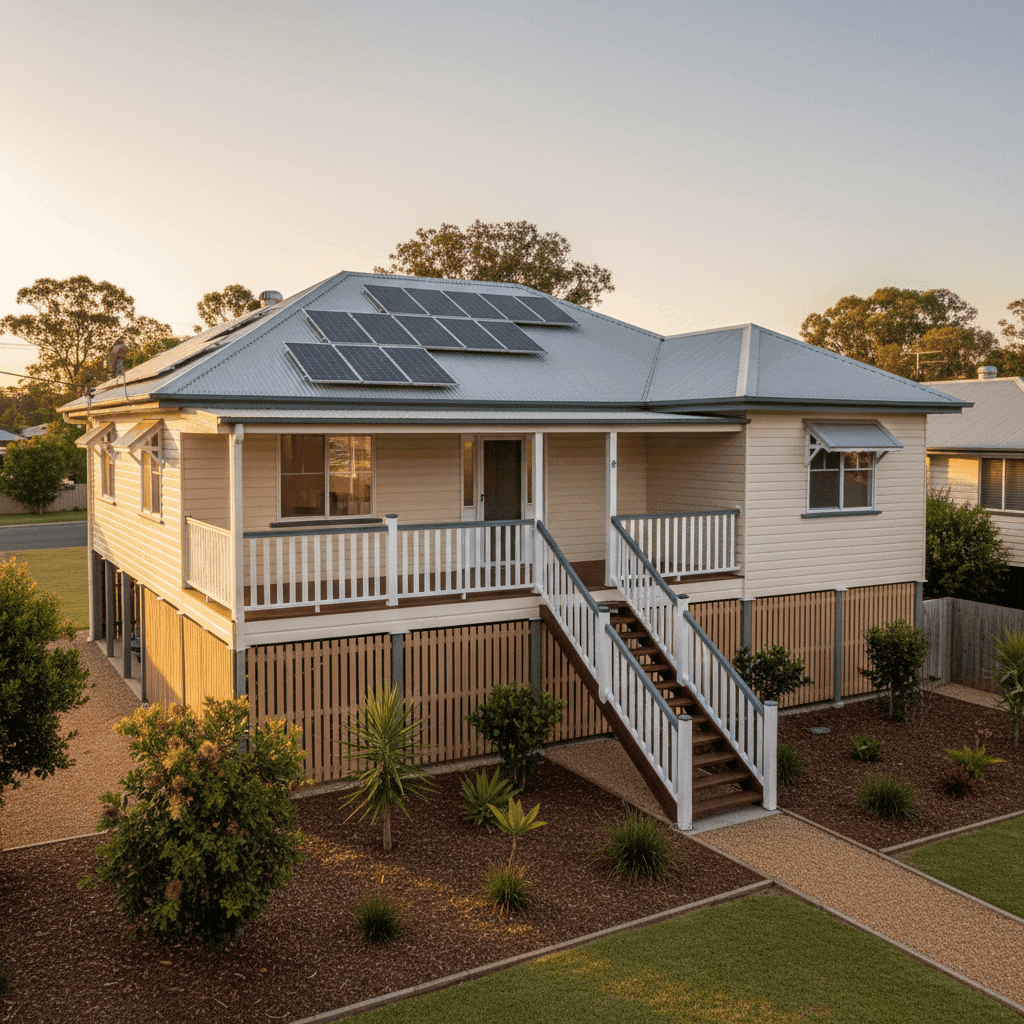
If you own a free standing home in Gailes, QLD 4300, you've probably noticed that home insurance costs can vary wildly depending on where you live, what your home is made of, and how much cover you need. This article breaks down a real home and contents insurance quote for a three-bedroom, two-bathroom property in Gailes — and puts it into context against local, state, and national benchmarks so you can judge whether you're getting a fair deal.
---
Is This Quote Fair?
The annual premium for this quote comes in at $2,082 per year (or $204/month), covering a building sum insured of $535,000 and contents valued at $50,000, each with a $1,000 excess.
Our pricing analysis rates this quote as CHEAP — below average — which is genuinely good news for the homeowner. In Queensland, where insurance premiums have surged dramatically in recent years due to flood, storm, and cyclone risk, landing a quote well below the state median is a meaningful saving.
To put it plainly: this is a competitive result. The property's characteristics — including its elevation, construction type, and location outside a designated cyclone risk zone — appear to be working in the homeowner's favour. That said, "cheap" doesn't automatically mean the cover is right for your needs. It's always worth reviewing what's included, what's excluded, and whether the sum insured accurately reflects rebuilding costs.
---
How Gailes Compares
While suburb-level data isn't available for Gailes specifically, we can draw meaningful comparisons using state and national figures. Here's how this quote stacks up:
| Benchmark | Annual Premium |
|---|---|
| This Quote | $2,082 |
| National Median | $2,764 |
| National Average | $5,347 |
| QLD State Median | $3,903 |
| QLD State Average | $9,129 |
| Ipswich LGA Average | $8,901 |
The contrast is striking. The Ipswich LGA average sits at $8,901 per year — more than four times what this homeowner is paying. Queensland's state average of $9,129 tells a similar story, reflecting the outsized impact of high-risk properties (particularly those in flood-prone or cyclone-exposed areas) pulling the average upward.
This quote sits comfortably below the national median of $2,764 and well below the QLD state median of $3,903. For a Queensland property, that's a strong outcome.
You can explore more local and state-wide pricing data on our Gailes suburb stats page, the Queensland insurance stats page, or our national home insurance statistics.
---
Property Features That Affect Your Premium
Several characteristics of this particular property likely contribute to its favourable premium. Understanding these factors can help any homeowner make sense of their own quote.
Elevation on Stumps
This home is elevated by at least one metre on a stump foundation — a classic Queensland construction style. Elevation can significantly reduce flood risk by keeping the floor level above potential inundation, which insurers reward with lower premiums. In a state where flooding is one of the leading causes of home insurance claims, this is a meaningful risk mitigant.
Weatherboard Timber Walls
Weatherboard wood is a common external wall material in older Queensland homes, particularly those built around the 1970s. While timber can be more susceptible to fire and termite damage than brick veneer or double brick, it's a well-understood material for insurers and doesn't typically attract a heavy loading — especially when the home is well-maintained.
Steel/Colorbond Roof
Colorbond steel roofing is generally viewed favourably by insurers. It's durable, resistant to high winds, and less prone to the kind of storm damage that can affect older tile or fibrous cement roofs. This likely contributes positively to the premium outcome.
Solar Panels
The property has solar panels installed. Most home insurance policies cover solar panels as part of the building, but it's worth confirming this with your insurer — particularly whether they're covered for storm damage, hail impact, or electrical faults. Some policies treat inverters and panels differently, so reading the Product Disclosure Statement (PDS) carefully matters here.
No Cyclone Risk, No Pool
Being outside a cyclone risk zone removes one of the biggest premium drivers in Queensland. Similarly, the absence of a swimming pool eliminates a common source of liability and accidental damage claims.
Construction Year: 1970
At over 50 years old, this home falls into the "older dwelling" category. Insurers may factor in the age of electrical wiring, plumbing, and structural components when pricing risk. Keeping up with maintenance and having recent inspections on record can help demonstrate the home is in good condition.
---
Tips for Homeowners in Gailes
Whether you're reviewing your existing policy or shopping around for the first time, here are four practical steps worth taking.
1. Verify your sum insured annually Building costs in Queensland have risen sharply since 2020. A sum insured of $535,000 may have been accurate when the policy was first set up, but it's worth recalculating using a building cost estimator each year to ensure you're not underinsured. Being underinsured at claim time can leave you significantly out of pocket.
2. Confirm solar panel coverage in your PDS Solar panel systems represent a meaningful investment. Before renewing, call your insurer and ask specifically: are the panels, inverter, and associated wiring covered? Under what circumstances? Knowing the answer before something goes wrong is far better than finding out during a claim.
3. Ask about flood cover Even though this home is elevated, Gailes and the broader Ipswich region have a documented history of flood events. Check whether your policy includes flood cover as standard or as an optional add-on — and if it's excluded entirely, consider whether that's a risk you're comfortable carrying.
4. Compare quotes at renewal time A below-average premium is great, but the insurance market is competitive and prices shift. Running a comparison at renewal — even if you end up staying with your current insurer — takes only a few minutes and ensures you're not paying more than you need to for equivalent cover.
---
Ready to Compare?
Whether you're a Gailes local or own a property anywhere in Australia, comparing home insurance quotes is one of the simplest ways to make sure you're not overpaying. At CoverClub, we make it easy to see how your premium stacks up and find cover that suits your property.