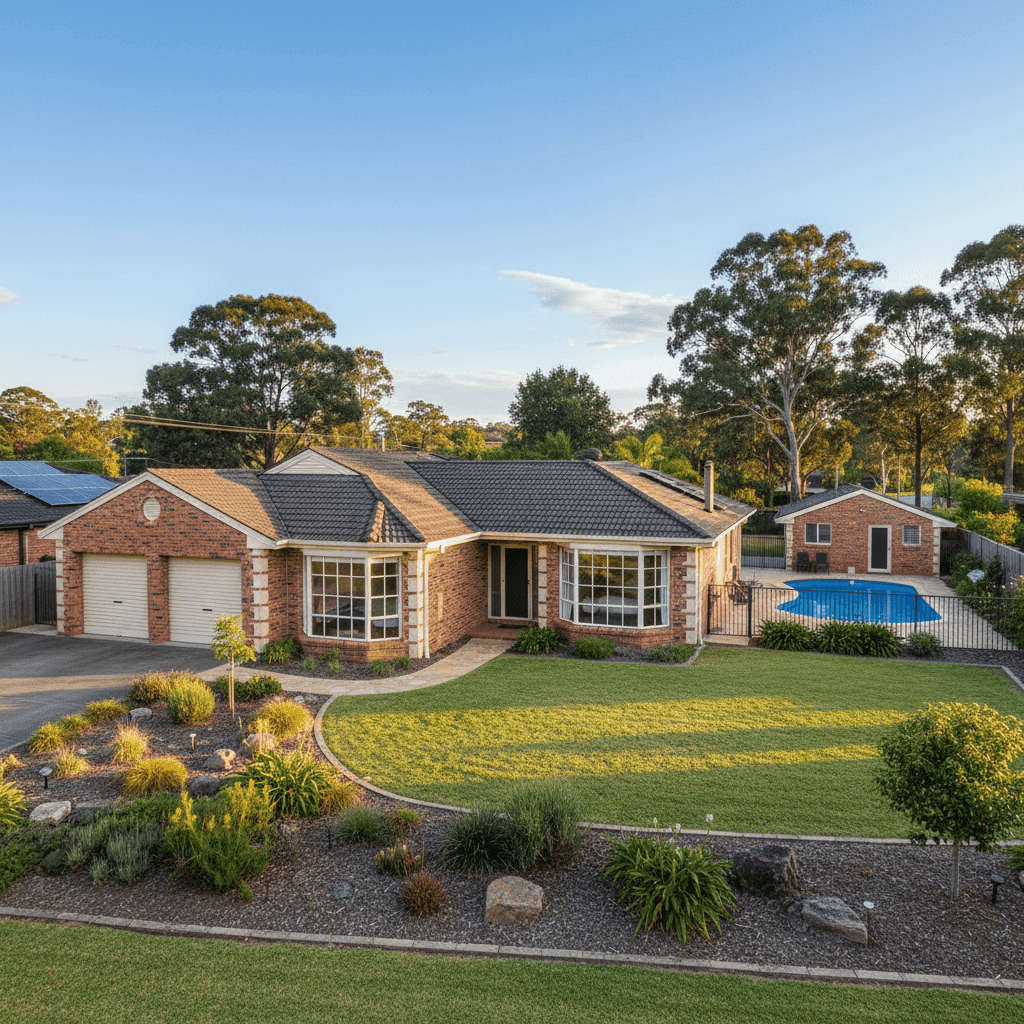
If you own a free standing home in Galston, NSW 2159, you already know the appeal — leafy streets, generous block sizes, and that semi-rural character that sets the Hills District apart from the rest of Sydney. But with larger, well-appointed homes come larger insurance considerations. This article breaks down a recent home and contents insurance quote for a six-bedroom property in Galston, examines how it stacks up against local and national benchmarks, and offers practical tips to help you get the best value on your cover.
---
Is This Quote Fair?
The annual premium for this property came in at $3,579 per year (or $336/month), covering a building sum insured of $550,000 and contents valued at $50,000, each with a $1,000 excess. Our analysis rates this quote as FAIR — around average.
That "fair" rating is meaningful context. It doesn't mean you're overpaying, but it does suggest there's room to explore whether a better deal exists elsewhere. The premium sits comfortably within the middle band of what Galston homeowners are currently paying — above the suburb's 25th percentile ($3,472/yr) but well below the 75th percentile ($4,447/yr). In other words, roughly half of comparable quotes in this postcode are more expensive.
Given the size and features of this property — six bedrooms, three bathrooms, a pool, a granny flat, and ducted climate control — a premium in this range is broadly reasonable. Larger, more complex homes naturally attract higher premiums, and this one is no exception.
---
How Galston Compares
To understand whether this quote represents good value, it helps to zoom out and look at the broader pricing landscape.
| Benchmark | Premium |
|---|---|
| This quote | $3,579/yr |
| Galston suburb average | $4,313/yr |
| Galston suburb median | $3,950/yr |
| Galston 25th percentile | $3,472/yr |
| Hornsby LGA average | $3,958/yr |
| NSW state average | $3,801/yr |
| NSW state median | $3,410/yr |
| National average | $2,965/yr |
| National median | $2,716/yr |
This quote comes in $734 below the Galston suburb average and $371 below the suburb median — a meaningful saving. It also sits below the Hornsby LGA average of $3,958/yr and the NSW state average of $3,801/yr.
The gap against national figures is worth noting. At $3,579/yr, this premium is approximately $614 above the national average and $863 above the national median. That differential isn't surprising — Sydney properties, particularly larger homes in established suburbs like Galston, consistently attract higher premiums than the national norm due to higher rebuild costs, elevated contents values, and greater exposure to weather-related events like storms and hail.
You can explore the full breakdown of insurance pricing trends for this postcode at the Galston suburb stats page, compare against the NSW state overview, or see where this sits on the national insurance landscape.
---
Property Features That Affect Your Premium
Every home is unique, and insurers price risk based on a detailed combination of construction materials, features, and location. Here's how the key characteristics of this Galston property are likely influencing the premium.
Size and Complexity
A six-bedroom, three-bathroom home is a substantial dwelling. More rooms mean more floor area, more fixtures, and a higher cost to rebuild — all of which push the sum insured (and therefore the premium) upward. The $550,000 building sum insured reflects this scale.
Brick Veneer Walls and Concrete Roof
Brick veneer construction is one of the most common wall types in Australian suburban homes, and insurers generally view it favourably. It offers solid fire resistance and durability. A concrete tile roof similarly signals longevity and resilience, particularly against hail — a relevant consideration in the greater Sydney region. Together, these materials can help moderate premiums compared to less robust alternatives like weatherboard or fibrous cement.
Slab Foundation
A concrete slab foundation is standard for homes of this era and is generally regarded as low-risk by insurers. Unlike raised timber stumps, slabs reduce the risk of subsidence-related claims and offer good structural stability.
Timber and Laminate Flooring
While attractive and popular, timber and laminate flooring can be more susceptible to water damage than tiles. This is a minor premium factor but worth noting — ensuring your policy covers accidental water damage to flooring is important.
Swimming Pool
A pool adds both value and complexity to a home insurance policy. Pools are typically covered under the building sum insured, and their presence can slightly increase premiums due to the cost of repair or replacement. It's worth confirming with your insurer exactly what pool-related damage is covered — including fencing, pumps, and filtration equipment.
Granny Flat
The presence of a granny flat is a significant factor. Whether it's used for extended family, as a rental, or simply as additional living space, a granny flat adds to the total insurable value of the property. Homeowners should confirm with their insurer whether the granny flat is explicitly included in the building sum insured and whether any contents within it are covered under the same policy.
Ducted Climate Control
Ducted air conditioning systems are expensive to repair or replace. Their inclusion in the building's fixtures typically increases the sum insured, which flows through to a higher premium. Above-average fittings quality — as noted for this property — also signals to insurers that the cost of like-for-like replacement will be higher than a standard home.
Construction Year: 1980
Homes built around 1980 are now over 40 years old. While brick veneer construction ages well, older homes may have plumbing, electrical, or roofing components that are due for attention. Some insurers apply age-related loading to premiums, and it's worth ensuring your policy doesn't contain clauses that reduce payouts based on depreciation of older building materials.
---
Tips for Homeowners in Galston
1. Review your building sum insured regularly Construction costs have risen sharply in recent years. A sum insured of $550,000 may have been accurate when the policy was first taken out, but it's worth getting a current rebuild cost estimate to ensure you're not underinsured — particularly for a large home with above-average fittings and a granny flat.
2. Confirm granny flat coverage explicitly Don't assume your granny flat is automatically covered. Ask your insurer to confirm in writing that the secondary dwelling is included in the building sum insured, and check whether any contents or liability relating to it are also covered — especially if it's tenanted.
3. Increase your excess to reduce your premium Both building and contents excesses are set at $1,000 for this policy. If you're comfortable absorbing a higher out-of-pocket cost in the event of a claim, increasing your excess to $1,500 or $2,000 can meaningfully reduce your annual premium. Just make sure the saving justifies the additional risk exposure.
4. Compare quotes at renewal time Insurance loyalty rarely pays. Even with a "fair" rating, this quote could potentially be beaten by another insurer offering comparable cover. The Galston suburb average is $4,313/yr — this quote is already below that — but there may still be savings available. Use a comparison tool at renewal to benchmark your options.
---
Ready to Compare?
Whether you're reviewing an existing policy or shopping for cover on a new property, comparing multiple quotes is the single most effective way to ensure you're getting fair value. Get a home insurance quote at CoverClub and see how your premium stacks up against real data from your suburb and across Australia.