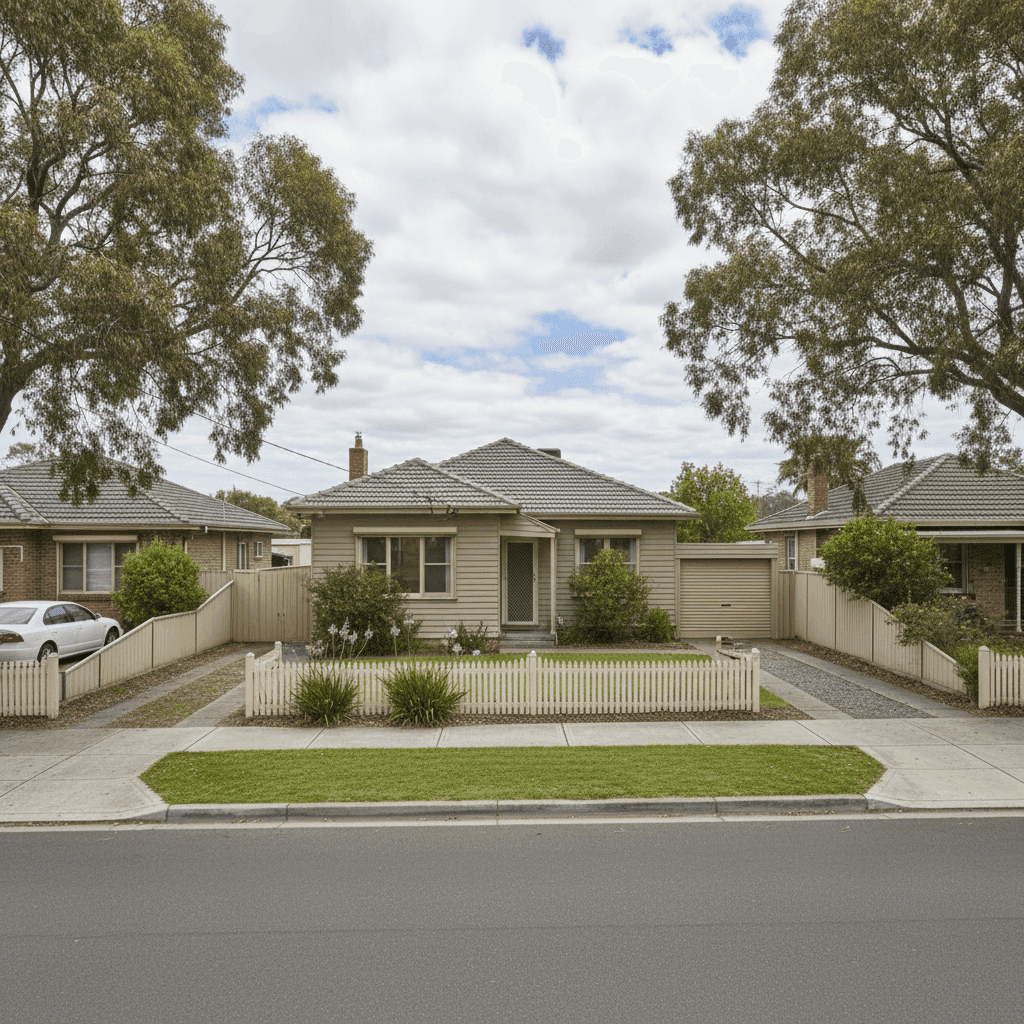
If you own a free standing home in Gateshead, NSW 2290, you've probably wondered whether your home insurance premium is competitive — or whether you're quietly overpaying year after year. To help answer that question, we've analysed a real home and contents insurance quote for a three-bedroom, two-bathroom weatherboard property in the suburb, and stacked it up against local, state, and national benchmarks.
Here's what the numbers reveal.
---
Is This Quote Fair?
The quote in question comes in at $1,944 per year (or $194/month) for combined home and contents cover, with a building sum insured of $600,000 and contents valued at $100,000. The building excess sits at $3,000, with a separate $1,000 excess on contents.
Our pricing model rates this quote as CHEAP — below average for the area. That's genuinely good news for the homeowner. Based on 12 quotes sampled in Gateshead, the suburb average premium is $3,862/year, meaning this quote comes in at roughly 50% below the local average. Even compared to the suburb's 25th percentile — the point at which only a quarter of quotes are cheaper — of $2,177/year, this premium still undercuts the field by a meaningful margin.
In short: if this quote reflects adequate cover for the property, it represents strong value.
---
How Gateshead Compares
To put this quote in proper context, it's worth zooming out and looking at the broader pricing landscape.
| Benchmark | Premium |
|---|---|
| This quote | $1,944/yr |
| Gateshead suburb average | $3,862/yr |
| Gateshead suburb median | $2,904/yr |
| Gateshead 25th percentile | $2,177/yr |
| Lake Macquarie LGA average | $11,064/yr |
| NSW state average | $9,528/yr |
| NSW state median | $3,770/yr |
| National average | $5,347/yr |
| National median | $2,764/yr |
A few things stand out here. The NSW state average of $9,528/year looks alarmingly high — but this is heavily skewed by flood- and cyclone-prone regions across the state that attract eye-watering premiums. The median of $3,770/year is a far more representative figure for typical NSW homeowners. Similarly, the national average of $5,347/year is distorted by high-risk postcodes in Queensland, Western Australia, and parts of regional NSW.
Gateshead itself sits in the Lake Macquarie local government area, where the average premium of $11,064/year reflects the wide diversity of risk profiles across the LGA — from lakeside properties with flood exposure to elevated suburban streets like those found in parts of Gateshead. This quote, at $1,944/year, sits well below every single benchmark listed above, which makes it a standout result.
For a deeper look at pricing trends in the area, visit the Gateshead suburb stats page.
---
Property Features That Affect Your Premium
Several characteristics of this particular property are worth understanding, as they directly influence what insurers charge.
Weatherboard timber exterior walls are one of the most significant rating factors here. Timber weatherboard homes — particularly those built in earlier decades — are generally considered higher risk by insurers due to their susceptibility to fire, rot, and pest damage compared to brick veneer or full brick construction. Some insurers apply a loading to weatherboard properties, which can push premiums up. The fact that this quote still comes in cheaply despite this factor is notable.
Construction year: 1963. Older homes built before modern building codes can attract higher premiums due to the cost and complexity of restoring period features, as well as potential concerns around outdated wiring, plumbing, or structural elements. A $600,000 building sum insured on a 139 sqm home built in 1963 is reasonable, though homeowners should periodically review their sum insured to ensure it reflects current rebuild costs — not just market value.
Stump foundation. Homes on stumps (also known as timber or concrete pier foundations) are common in older Australian suburbs and can be more vulnerable to subsidence, movement, and moisture-related issues. This is worth keeping in mind when reviewing policy inclusions around structural damage.
Tiled roof. Terracotta or concrete tile roofs are generally viewed favourably by insurers — they're durable, fire-resistant, and widely understood. This likely works in the homeowner's favour when it comes to pricing.
No pool, no solar panels, no ducted climate control. The absence of these features simplifies the risk profile considerably. Pools, solar systems, and ducted HVAC units all add to the complexity and replacement cost of a property, so their absence can contribute to a leaner premium.
Standard fittings quality. High-end or bespoke fittings — custom joinery, imported tiles, luxury appliances — can significantly increase rebuild costs and therefore the sum insured required. Standard fittings keep things straightforward.
---
Tips for Homeowners in Gateshead
Whether you're reviewing an existing policy or shopping for the first time, here are a few practical steps worth taking.
1. Don't underinsure your building. With a 1963 weatherboard home on stumps, the cost to rebuild to current standards — including compliance with modern building codes — can be substantially higher than you'd expect. Use an independent building cost calculator and review your sum insured annually, especially as construction costs continue to rise across NSW.
2. Review your excess settings. This quote carries a $3,000 building excess and a $1,000 contents excess. A higher excess typically reduces your premium, but make sure you could comfortably cover that amount out of pocket in the event of a claim. If cash flow is a concern, it may be worth paying a slightly higher premium for a lower excess.
3. Maintain your weatherboard cladding. Insurers may reduce or deny claims where damage is attributable to poor maintenance. Regularly inspect your weatherboard for signs of rot, paint peeling, or pest activity, and keep records of any maintenance work carried out. This also helps protect the structural integrity of the home long-term.
4. Compare quotes at renewal time — every year. Insurance pricing changes constantly, and loyalty doesn't always pay. The fact that this quote is well below the suburb average suggests there's genuine variation in how different insurers price this type of property. Don't assume your current insurer will remain the most competitive option at renewal.
---
Ready to Compare?
Whether this is your first home insurance policy or you're due for a renewal, it pays to see what's available in the market. At CoverClub, you can compare home and contents insurance quotes tailored to your property in Gateshead and across Australia — so you can make a confident, informed decision rather than just accepting whatever lands in your inbox at renewal time.