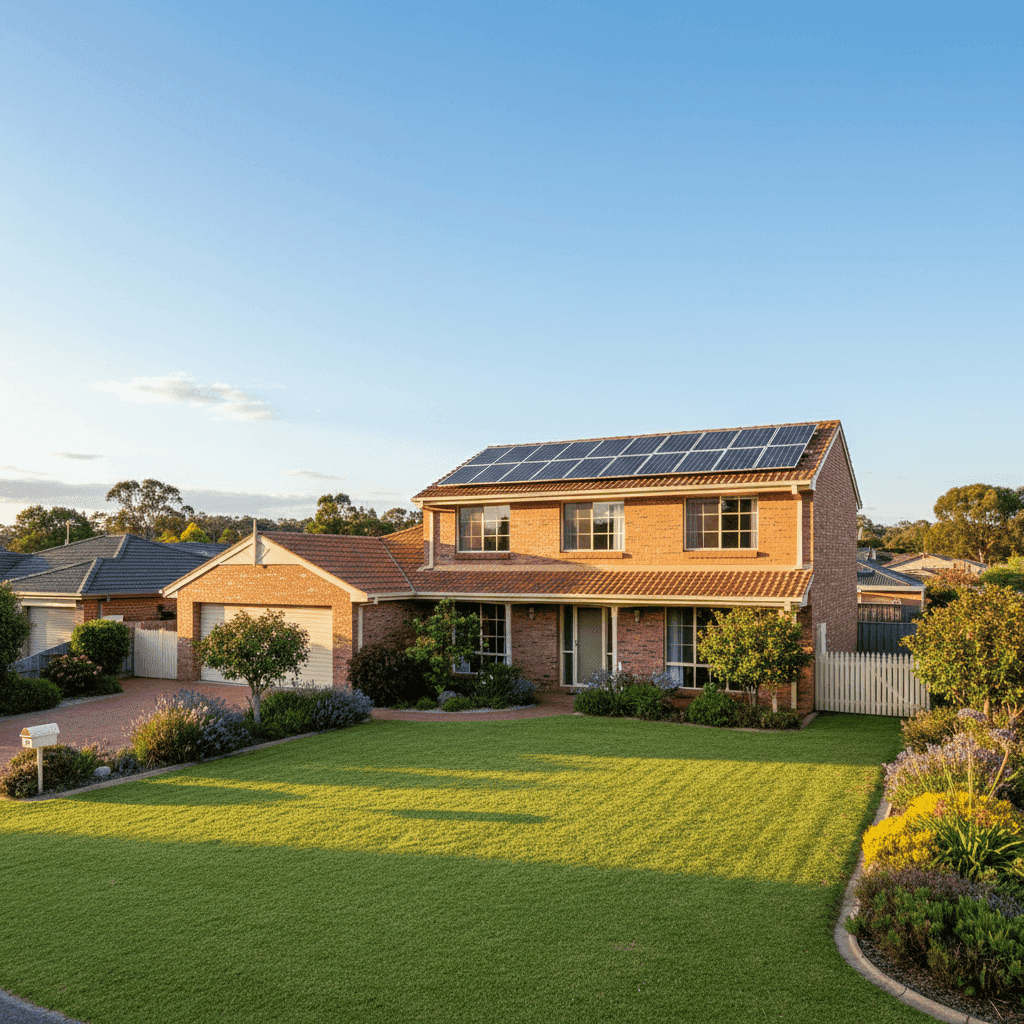
George Town, nestled on the banks of the Tamar River in northern Tasmania, is one of Australia's oldest towns — and like any established community, homeowners here face their own unique insurance landscape. This article breaks down a real home and contents insurance quote for a four-bedroom, free-standing brick veneer home in George Town (TAS 7253), helping you understand whether the premium stacks up and what factors are driving the cost.
---
Is This Quote Fair?
The quote in question comes in at $1,981 per year (or $190/month) for combined home and contents cover, with a building sum insured of $617,000 and contents valued at $230,000. Both the building and contents excess are set at $1,000.
Our price rating for this quote is FAIR — Around Average, and the data backs that up. Based on 63 quotes collected for the George Town area, the suburb average sits at $1,801/yr and the median at $1,557/yr. At $1,981, this quote lands above both of those benchmarks, but comfortably within the suburb's 75th percentile of $2,229/yr — meaning roughly three-quarters of comparable quotes in the area are cheaper, but a meaningful portion are more expensive too.
In other words, this isn't a bargain, but it's not a red flag either. It's a reasonable market rate for the level of cover being provided, particularly given the property's size and features.
---
How George Town Compares
Understanding where a quote sits relative to broader benchmarks is one of the most useful things you can do as a homeowner shopping for insurance. Here's how George Town stacks up:
| Benchmark | Premium |
|---|---|
| This quote | $1,981/yr |
| George Town suburb average | $1,801/yr |
| George Town suburb median | $1,557/yr |
| George Town 25th percentile | $1,101/yr |
| George Town 75th percentile | $2,229/yr |
| TAS state average | $2,814/yr |
| TAS state median | $2,326/yr |
| National average | $5,347/yr |
| National median | $2,764/yr |
| LGA (George Town) average | $2,060/yr |
The story here is quite positive for George Town residents. At $1,981/yr, this quote is well below the Tasmanian state average of $2,814 and dramatically lower than the national average of $5,347. Tasmania as a whole tends to benefit from lower insurance costs compared to states like Queensland or Western Australia, where cyclone risk, flooding, and extreme weather events push premiums significantly higher.
Even compared to the broader LGA average of $2,060, this quote comes in slightly under — a reassuring sign that the property isn't attracting any unusual risk loading. For a more detailed look at how premiums trend across the postcode, visit the George Town suburb stats page.
---
Property Features That Affect Your Premium
Every home is different, and insurers assess a range of property characteristics when calculating your premium. Here's how the features of this particular property likely influence the cost:
Brick Veneer Walls & Tiled Roof
Brick veneer construction is generally viewed favourably by insurers. It offers solid fire resistance and structural durability compared to weatherboard or lightweight cladding. Combined with a tiled roof — another material associated with longevity and lower fire risk — this property sits in a relatively low-risk construction category, which likely contributes to a more competitive premium.
Slab Foundation
A concrete slab foundation is common in Australian homes built from the 1980s onwards and is generally considered stable and low-maintenance. It doesn't carry the same underfloor moisture or pest-related risks as older timber-stumped homes, which can be a positive factor in premium calculations.
Built in 1985
At around 40 years old, this home is well past its "new build" phase but not so old that it raises significant concerns about ageing infrastructure. Insurers may factor in the age of plumbing, electrical systems, and roofing when pricing a policy, so it's worth ensuring these have been updated or maintained over the years.
Solar Panels
The presence of solar panels adds a layer of complexity to the insurance picture. Panels represent a significant asset (often worth $5,000–$15,000 or more), and homeowners should confirm whether their policy covers solar panels as part of the building sum insured. Damage from storms, hail, or electrical faults can be costly, so this is worth clarifying with your insurer.
Ducted Climate Control
Ducted heating and cooling systems are considered a standard feature in many modern homes, but they do add to the overall replacement value of the property. This is already factored into the $617,000 building sum insured, which appears appropriate for a 214 sqm home of this specification.
Standard Fittings & Tile Flooring
Standard-quality fittings and tile flooring throughout keep the rebuild cost estimate grounded. Premium or custom fittings (think stone benchtops, imported tiles, or designer fixtures) can push rebuild costs — and therefore premiums — considerably higher.
---
Tips for Homeowners in George Town
Whether you're reviewing an existing policy or shopping around for the first time, here are four practical steps to make sure you're getting the right cover at the right price.
- Check your solar panels are covered. Not all home insurance policies automatically cover rooftop solar systems, or they may only cover them under certain conditions. Ask your insurer specifically whether panels are included under the building sum insured and whether accidental damage is covered.
- Review your sum insured annually. Building costs have risen sharply across Australia in recent years. A sum insured that was accurate two or three years ago may now fall short of what it would actually cost to rebuild your home. Use a building cost calculator or ask a quantity surveyor to verify your figure.
- Consider your excess carefully. Both the building and contents excess on this quote are set at $1,000. Opting for a higher excess can reduce your annual premium, but make sure it's an amount you could genuinely afford to pay out of pocket in the event of a claim.
- Compare quotes at renewal time. Insurance loyalty doesn't always pay off. Premiums can vary significantly between providers for the same level of cover. Running a comparison before your policy renews is one of the simplest ways to avoid overpaying.
---
Ready to Compare?
Whether this quote is the right fit or you're simply curious about what else is available, comparing multiple quotes side by side is the smartest move any homeowner can make. At CoverClub, we make it easy to see how your premium stacks up and find competitive options tailored to your property. Get a home insurance quote today and take the guesswork out of protecting one of your most valuable assets.