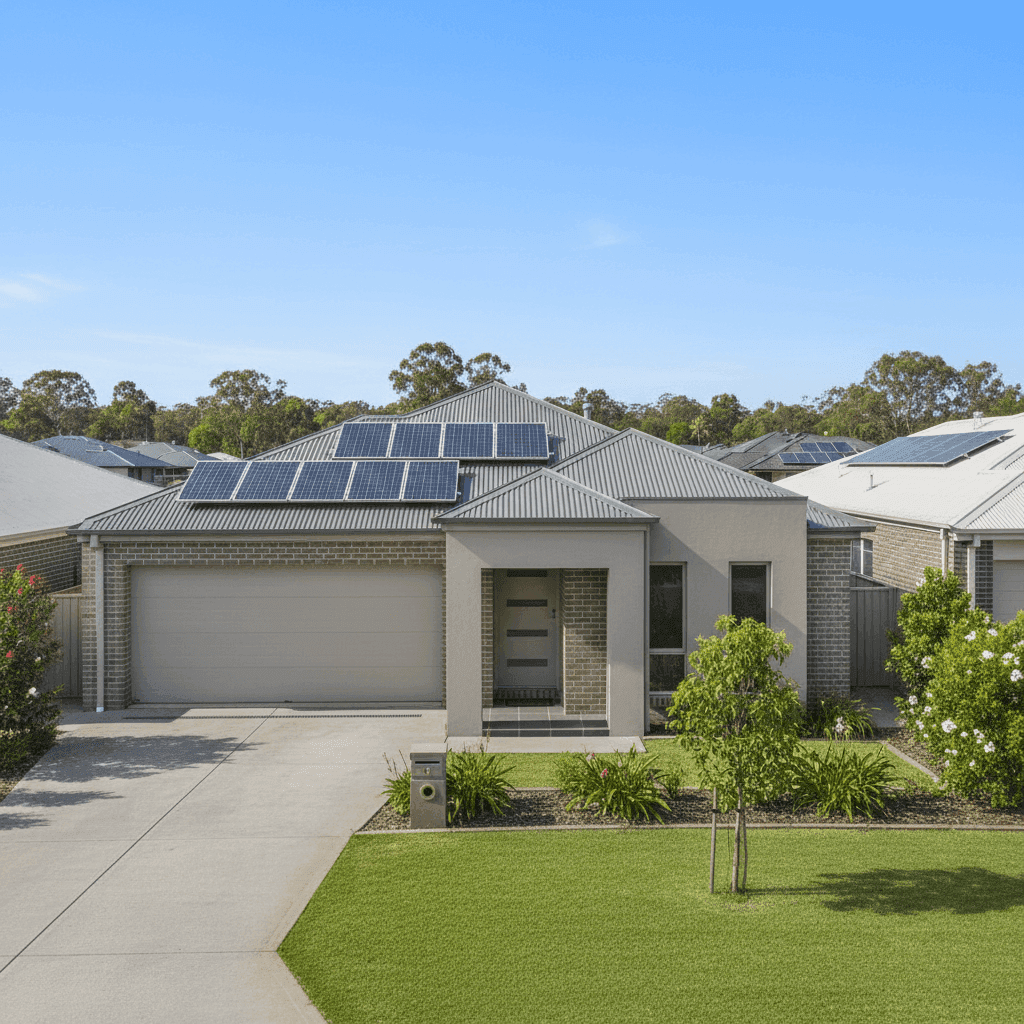
If you own a four-bedroom free standing home in Glen Eden, QLD 4680, you're likely curious about what a fair home insurance premium looks like — and whether you're paying too much (or too little). This article breaks down a real home and contents insurance quote for a property in the area, compares it against Queensland and national benchmarks, and offers practical tips to help you get the best value cover for your home.
---
Is This Quote Fair?
The annual premium for this quote comes in at $2,233 per year (or $220 per month), covering both building and contents for a 214 sqm brick veneer home with a building sum insured of $592,000 and contents valued at $50,000. Both the building and contents excess are set at $1,000.
Our price rating for this quote? Cheap — below average. That's genuinely good news for this homeowner.
To put it in perspective: the average home insurance premium across Queensland sits at $4,547 per year, with a state median of $3,931. Nationally, the average is $2,965 and the median is $2,716. This quote comfortably undercuts every one of those benchmarks — sitting around 51% below the Queensland average and roughly 25% below the national average.
For a combined home and contents policy, that's a strong result. Of course, premiums vary based on dozens of individual factors, so it's always worth checking how Glen Eden compares to nearby suburbs and the broader state picture before drawing firm conclusions.
---
How Glen Eden Compares
While suburb-level comparison data isn't available for Glen Eden at this stage, the state and national figures paint a useful picture.
| Benchmark | Annual Premium |
|---|---|
| This Quote | $2,233 |
| QLD Average | $4,547 |
| QLD Median | $3,931 |
| National Average | $2,965 |
| National Median | $2,716 |
Queensland is one of Australia's more expensive states for home insurance, largely due to the elevated risk of severe weather events — cyclones, flooding, and storm damage — particularly in coastal and regional areas. The fact that this Glen Eden property is not located in a designated cyclone risk zone is almost certainly a significant contributor to its competitive premium.
You can explore broader Queensland insurance trends on the CoverClub QLD stats page, or compare against the national picture to see how your region stacks up.
---
Property Features That Affect Your Premium
Every home is different, and insurers weigh up a range of property characteristics when calculating your premium. Here's how the features of this particular property likely influence its pricing:
Construction (Brick Veneer Walls & Colorbond Roof)
Brick veneer is widely regarded as a solid, durable construction material that performs well in fire and general weather conditions. Combined with a steel Colorbond roof — which is resistant to rust, fire, and impact — this property presents a relatively low-risk profile from a structural standpoint. Insurers generally favour these materials over older or less resilient alternatives.
Slab Foundation & Tile Flooring
A concrete slab foundation is standard for homes built in Queensland's climate and is generally considered stable and low-maintenance. Tiled flooring throughout also reduces the risk of water damage claims compared to timber or carpet, which can be costly to replace after flooding or leaks.
Built in 2013
At just over a decade old, this home is modern enough to benefit from up-to-date building codes and construction standards, but not so new that it commands a premium for replacement costs. Newer homes tend to attract lower premiums than older properties with ageing infrastructure.
Solar Panels
This property has solar panels installed. While solar panels can slightly increase the insured value of a home (and the cost to rebuild or repair), many insurers now include them as standard under building cover. It's worth confirming with your insurer that your panels are explicitly covered — both for damage to the panels themselves and for any liability if they're involved in an incident.
Standard Fittings & No Pool
Standard-quality fittings keep the replacement cost estimate grounded, which helps avoid over-insuring. The absence of a pool also removes a source of liability and maintenance-related claims that can nudge premiums upward.
No Ducted Climate Control
Without ducted air conditioning — a system that can be expensive to repair or replace — the overall contents and building replacement cost remains more manageable, which is reflected in the premium.
---
Tips for Homeowners in Glen Eden
Whether you're reviewing your existing policy or shopping around for the first time, here are some practical steps to make sure you're getting the right cover at the right price.
1. Confirm Your Solar Panels Are Covered
Solar panels are now a common feature on Queensland homes, but coverage can vary significantly between insurers. Check your Product Disclosure Statement (PDS) to confirm whether your panels are included under building cover, what events are covered (hail, storm, fire), and whether any exclusions apply. If in doubt, ask your insurer directly.
2. Review Your Sum Insured Annually
Building costs in Queensland have risen considerably in recent years due to labour shortages and material price increases. A sum insured of $592,000 may be appropriate today, but it's worth reassessing each year to ensure it reflects current rebuild costs — not just the original estimate. Underinsurance is one of the most common and costly mistakes homeowners make.
3. Consider Your Excess Carefully
Both the building and contents excess on this policy are set at $1,000. A higher excess generally reduces your annual premium, while a lower excess means you pay less out of pocket if you make a claim. Think about your financial position and how often you're likely to claim — for most homeowners, a $1,000 excess strikes a reasonable balance.
4. Compare Quotes Before Renewal
Even if your current premium is competitive — as this one appears to be — it's worth comparing quotes at renewal time. Insurers adjust their pricing regularly, and the market can shift. Spending 10 minutes comparing options could save you hundreds of dollars without any reduction in cover quality.
---
Ready to Compare Your Own Quote?
Whether you're a Glen Eden local or a Queensland homeowner anywhere in the state, CoverClub makes it easy to see what you should be paying for home and contents insurance. Our free comparison tool analyses your property details and gives you a clear picture of where your premium sits relative to the market.
Get a personalised home insurance quote at CoverClub — it takes just a few minutes, and you might be surprised by what you find.