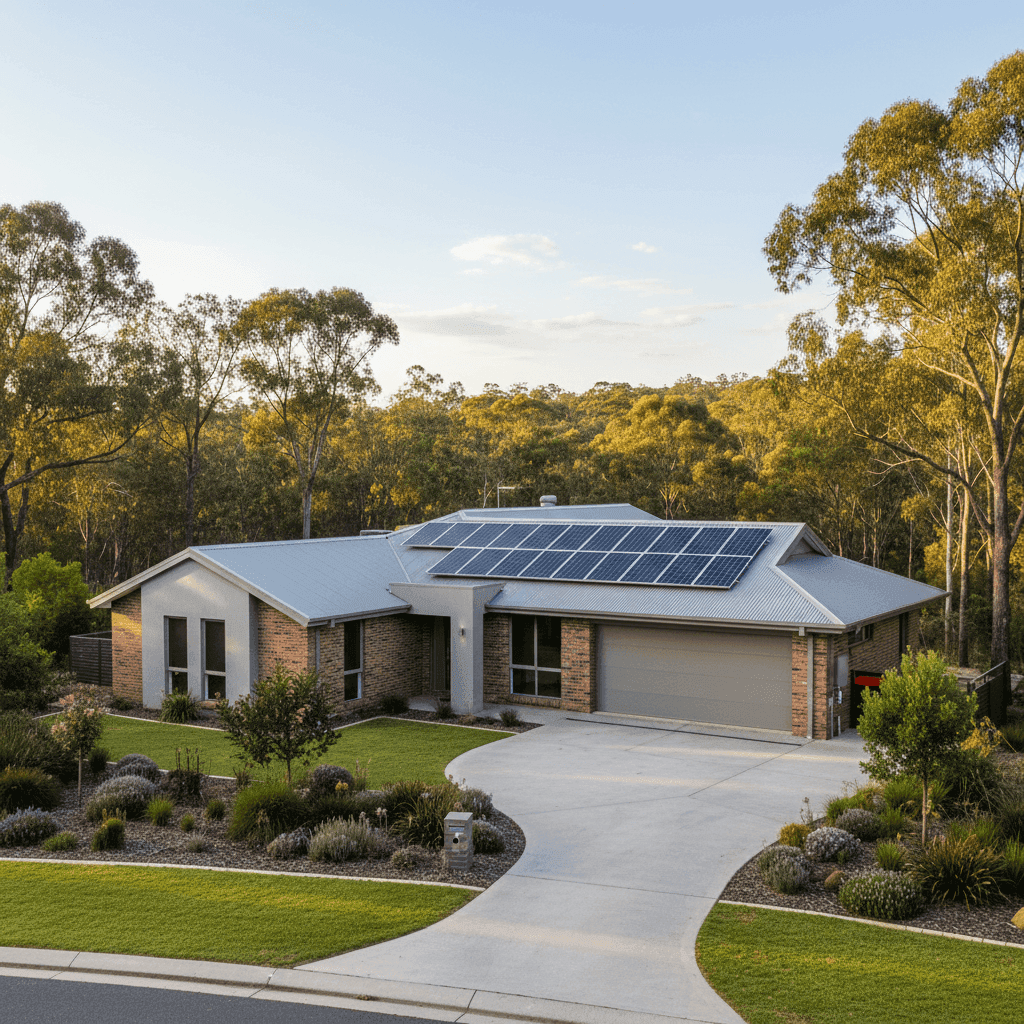
Glen Forrest is a leafy, semi-rural suburb nestled in the Perth Hills, known for its bushland character, established streetscapes, and a strong sense of community. It's also a suburb where home insurance costs can vary considerably — and understanding why your premium lands where it does is the first step toward making a smarter financial decision. This article breaks down a real home and contents insurance quote for a four-bedroom, free-standing home in Glen Forrest (postcode 6071), rated as Expensive (Above Average), and explores what's driving the cost.
---
Is This Quote Fair?
The quote in question comes in at $3,423 per year (or $352 per month) for combined home and contents cover, with a building sum insured of $800,000 and contents valued at $150,000. The building excess sits at $3,000, while the contents excess is a more modest $500.
Based on pricing data collected from 62 quotes in the Glen Forrest area, this premium is rated Expensive — above average for the suburb. Here's how it stacks up:
| Benchmark | Annual Premium |
|---|---|
| This Quote | $3,423 |
| Suburb Average | $2,672 |
| Suburb Median | $2,430 |
| Suburb 75th Percentile | $3,363 |
| Suburb 25th Percentile | $1,418 |
At $3,423, this quote sits above the 75th percentile for Glen Forrest — meaning it's more expensive than at least three-quarters of comparable quotes in the area. That's a meaningful gap. The suburb median of $2,430 suggests a homeowner with a similar property could potentially find cover for around $1,000 less per year by shopping around.
That said, the $800,000 building sum insured is on the higher end, which will naturally push the premium up. The inclusion of contents cover ($150,000) also adds to the total cost, so it's important not to compare apples with oranges when benchmarking.
---
How Glen Forrest Compares
To put this quote in broader context, it helps to zoom out and look at Western Australian insurance averages and national figures.
| Geography | Average Premium | Median Premium |
|---|---|---|
| Glen Forrest (6071) | $2,672 | $2,430 |
| Kalamunda LGA | $1,793 | — |
| Western Australia | $2,811 | $2,127 |
| National | $5,347 | $2,764 |
A few things stand out here. Glen Forrest's suburb average of $2,672 is actually below the WA state average of $2,811, suggesting that on a like-for-like basis, the area isn't considered unusually high-risk by insurers. Interestingly, the Kalamunda LGA average of just $1,793 is notably lower — though LGA-wide averages can mask significant variation between individual suburbs and property types.
Nationally, the picture looks quite different. Australia's average home insurance premium of $5,347 reflects the outsized influence of high-risk regions — particularly cyclone-prone areas in Queensland and the Northern Territory — which inflate the national average considerably. Glen Forrest's figures look relatively modest by comparison.
The key takeaway: this particular quote is expensive for Glen Forrest, even if it's not outrageous by national standards.
---
Property Features That Affect Your Premium
Several characteristics of this property are worth examining through an insurance lens.
Double Brick Construction Double brick is generally viewed favourably by insurers. It's durable, fire-resistant, and less susceptible to storm damage than lighter construction types. This should, in theory, work in the homeowner's favour when it comes to pricing.
Steel/Colorbond Roof Colorbond roofing is another positive signal for insurers — it's lightweight, corrosion-resistant, and performs well in both high-wind and bushfire-adjacent conditions. Compared to terracotta or concrete tiles, it's considered a lower-risk roofing material.
Slab Foundation A concrete slab foundation is standard for homes of this era and construction type. It presents minimal risk of subsidence or movement compared to pier-and-beam alternatives, which is another neutral-to-positive factor.
Solar Panels The presence of solar panels adds a layer of complexity to the insured value. Solar systems can be expensive to repair or replace following storm, hail, or fire damage, and not all policies cover them under building insurance by default. It's worth confirming with your insurer exactly how your solar system is covered — and whether it's included in the $800,000 building sum insured.
Ducted Climate Control Ducted air conditioning systems are a significant fixed asset. Like solar panels, they contribute to the replacement cost of the home and should be factored into your building sum insured calculation.
Bush Fire Risk Context Glen Forrest is situated in the Perth Hills, an area with well-documented bushfire exposure. While this property is not in a designated cyclone risk zone, bushfire risk is a real consideration for insurers operating in the Hills corridor. This is likely one of the more significant factors contributing to premiums in the area being priced the way they are.
---
Tips for Homeowners in Glen Forrest
1. Review your building sum insured carefully An $800,000 sum insured is substantial. Make sure this figure reflects the actual rebuild cost of your home — not its market value. Overinsuring drives up your premium unnecessarily, while underinsuring leaves you exposed. Tools like the Cordell Sum Sure calculator can help you estimate an appropriate figure.
2. Shop around — seriously With the suburb median sitting at $2,430 and this quote at $3,423, there's a real opportunity to save by comparing policies. Get a quote through CoverClub to see how multiple insurers price your specific property.
3. Ask about bushfire mitigation discounts Some insurers offer reduced premiums for homes in bushfire-prone areas that have taken active steps to reduce risk — such as maintaining a defendable space, installing ember guards, or using fire-rated materials. It's worth asking your insurer directly.
4. Consider your excess strategically The building excess on this quote is $3,000 — quite high. While a higher excess typically reduces your annual premium, it also means a larger out-of-pocket cost if you need to make a claim. Weigh this trade-off carefully, particularly given the bushfire risk context of the Perth Hills.
---
Compare Your Options with CoverClub
Whether you're renewing an existing policy or buying cover for the first time, it pays to know where your quote stands. CoverClub makes it easy to benchmark your premium against real data from your suburb, your state, and across Australia. Start comparing home insurance quotes today — it only takes a few minutes, and the savings can be significant.