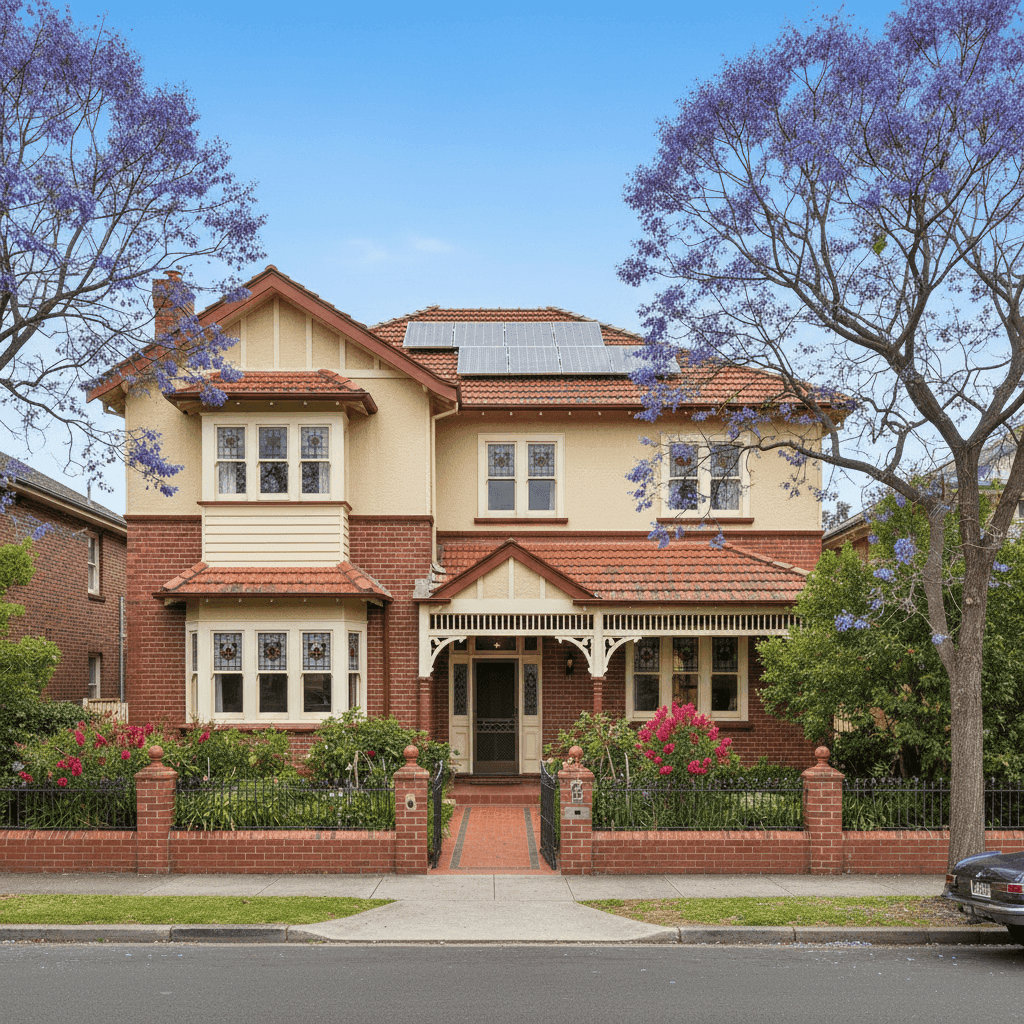
Glen Iris is one of Melbourne's most sought-after inner-south-east suburbs — a leafy, character-rich neighbourhood where Federation and Edwardian homes line tree-canopied streets. If you own a free standing home here, you're sitting on a significant asset, and making sure it's properly protected is just as important as maintaining its charm. This article breaks down a real home and contents insurance quote for a 3-bedroom, 2-bathroom property in Glen Iris (VIC 3146), and puts it in context so you can judge whether you're getting a fair deal.
---
Is This Quote Fair?
The annual premium in question comes in at $1,885 per year (or $181/month) for a combined home and contents policy. The building is insured for $728,000 with contents covered at $50,000, and both the building and contents excess are set at $1,000.
Our price rating for this quote is FAIR — Around Average, and the data backs that up. The suburb median premium for Glen Iris sits at $1,879 per year, meaning this quote lands almost exactly at the midpoint of what other homeowners in the area are paying. It's marginally above the median by just $6 — effectively on the nose.
To put it another way: half of the 69 quotes we've recorded in this suburb cost less than $1,879, and half cost more. This quote sits right in that sweet spot. It's not the cheapest available (the 25th percentile sits at $1,490/yr), but it's well clear of the upper range — the 75th percentile reaches $2,621/yr, meaning a quarter of Glen Iris homeowners are paying significantly more.
For a heritage-listed property with above-average fittings, a 153 sqm footprint, and features like solar panels and ducted climate control, landing at the median is a genuinely solid outcome.
---
How Glen Iris Compares
When you zoom out beyond the suburb, this quote looks even more competitive. Here's how it stacks up:
| Benchmark | Premium |
|---|---|
| This quote | $1,885/yr |
| Glen Iris suburb median | $1,879/yr |
| Glen Iris suburb average | $2,075/yr |
| Stonnington LGA average | $2,235/yr |
| Victoria state average | $3,000/yr |
| Victoria state median | $2,718/yr |
| National average | $5,347/yr |
| National median | $2,764/yr |
Compared to the Victorian state average of $3,000/yr, this quote is 37% cheaper. Against the national average of $5,347/yr — which is heavily skewed by high-risk regions like North Queensland and coastal flood zones — it's less than half the price.
Even within the Stonnington LGA, where the average sits at $2,235/yr, this quote comes in $350 below the local benchmark. That's a meaningful saving.
You can explore live pricing data for the area on the Glen Iris suburb stats page, which is updated regularly with real quotes.
---
Property Features That Affect Your Premium
Several characteristics of this property have a direct bearing on what insurers charge — for better and for worse.
Heritage Overlay
This property sits under a Heritage Overlay, which is common in Glen Iris given the suburb's rich stock of pre-war architecture. Heritage listings can increase rebuild costs because insurers must account for the use of period-appropriate materials, specialist tradespeople, and council approval processes. This is a key reason the building sum insured of $728,000 is set at a premium level — and rightly so.
Double Brick Construction
The double brick external walls are a significant positive from an insurer's perspective. Double brick is one of the most resilient wall types in Australian residential construction — it offers excellent fire resistance, structural integrity, and sound insulation. Homes with double brick walls tend to attract lower premiums compared to weatherboard or clad alternatives.
Tiled Roof
A tiled roof is generally viewed favourably by insurers. Tiles are durable, fire-resistant, and long-lasting when well maintained. On a home built in 1921, the condition of the roof will be something insurers factor in — so keeping up with maintenance and inspections is worthwhile.
Stump Foundation
The property sits on stumps, which is typical for homes of this era in Melbourne. Stump foundations can be a risk factor if they're in poor condition, as subsidence and movement can lead to structural claims. Insurers are generally aware of this with older homes, and it may contribute modestly to the premium.
Timber and Laminate Flooring
With timber and laminate flooring throughout, there's an elevated risk of water damage claims compared to tiled floors. Timber flooring is also more costly to replace, which can push contents and building valuations higher.
Solar Panels and Ducted Climate Control
Both solar panels and ducted climate control add to the replacement value of the home. Solar systems in particular can be costly to repair or replace after storm or hail damage, and their inclusion in the sum insured is important to verify with your insurer.
Above-Average Fittings
With above-average fittings quality, the cost to rebuild or repair this home to its current standard is higher than a standard spec property. This is appropriately reflected in the $728,000 building sum insured.
---
Tips for Homeowners in Glen Iris
1. Review your heritage overlay obligations before lodging a claim If your home is subject to a Heritage Overlay, any repairs or rebuilds may require council approval and the use of specific materials. Make sure your insurer is explicitly aware of the heritage status and that your policy covers the additional costs this may involve. Not all standard policies handle this well.
2. Get your stumps inspected regularly Stump foundations in older Melbourne homes are susceptible to rot, termite damage, and movement over time. An annual inspection by a licensed builder or pest inspector can catch issues early — and may also support your case with insurers if you ever need to make a structural claim.
3. Check that your solar panels are covered Solar panels are often a grey area in home insurance policies. Some insurers include them automatically under the building sum insured; others treat them as optional extras or exclude storm damage. Confirm with your insurer exactly how your system is covered, and whether the $728,000 sum insured accounts for full replacement.
4. Compare quotes before your renewal date Even with a fair-rated premium, the market changes every year. Insurers adjust their pricing models, and the difference between the 25th percentile ($1,490/yr) and 75th percentile ($2,621/yr) in Glen Iris shows there's meaningful variation across providers. Shopping around at renewal time — even if you're happy with your current insurer — is one of the simplest ways to avoid overpaying.
---
Compare Your Home Insurance Quote Today
Whether you're reviewing an existing policy or shopping for the first time, CoverClub makes it easy to see how your premium stacks up against real data from your suburb. Get a home insurance quote and find out if you're paying a fair price — or if there's a better deal waiting for you.