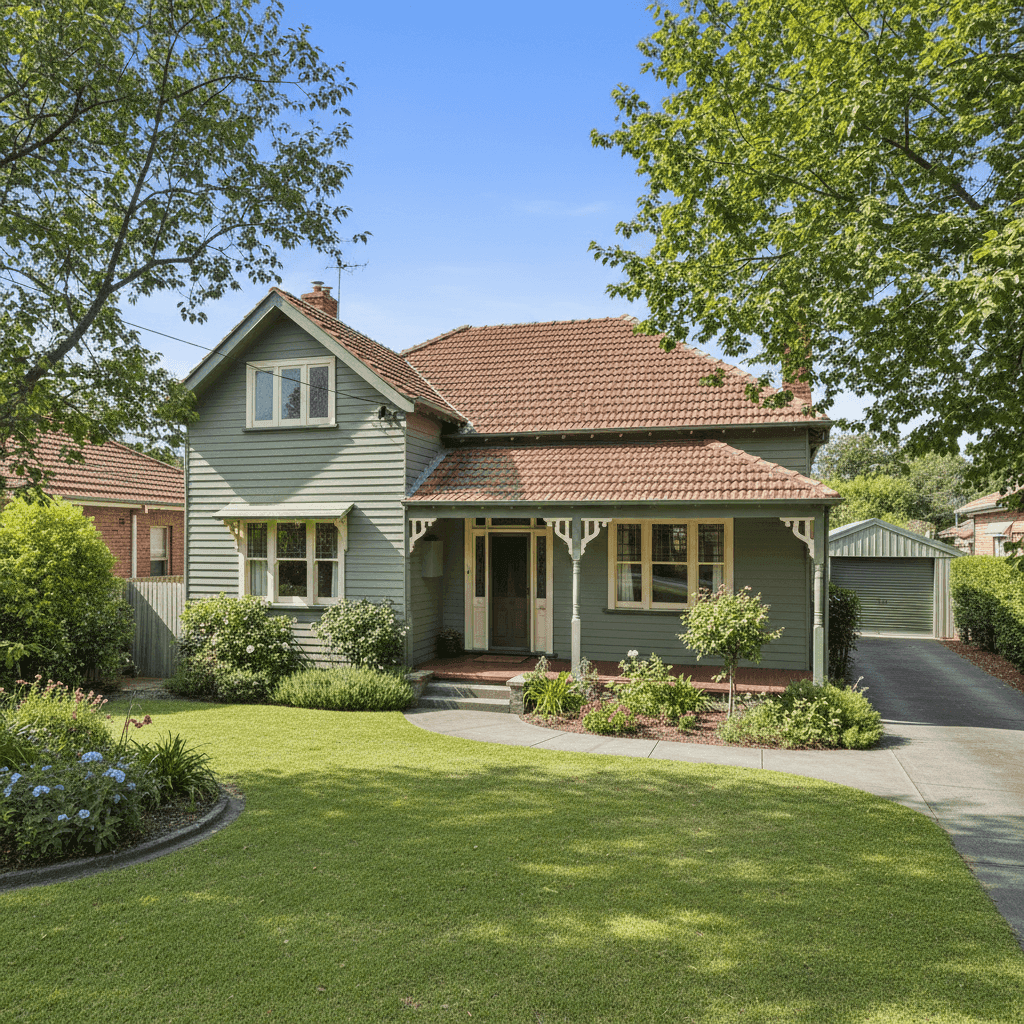
Glen Iris is one of Melbourne's most sought-after inner-eastern suburbs — a leafy, characterful pocket of Victoria where Federation-era homes sit alongside mid-century renovations and modern extensions. If you own a free standing home here, insuring it properly is no small matter. This article breaks down a real home and contents insurance quote for a five-bedroom property in Glen Iris (VIC 3146), examines whether the premium stacks up against local and national benchmarks, and offers practical guidance for homeowners looking to get better value from their cover.
---
Is This Quote Fair?
The annual premium for this quote comes in at $3,496 per year (or $340/month), covering a building sum insured of $1,695,000 and $50,000 in contents — with a $1,000 excess on each. Our price rating for this quote is Expensive (Above Average).
To put that in context, the suburb average for Glen Iris sits at $2,075/yr, with a median of $1,879/yr. This quote is approximately 68% above the suburb average and sits well above the 75th percentile of $2,621/yr — meaning it's more expensive than at least three-quarters of comparable quotes in the area.
That said, this property isn't a typical Glen Iris home. At 367 sqm with five bedrooms, three bathrooms, above-average fittings quality, and a building sum insured of nearly $1.7 million, it's a substantial dwelling. Larger, higher-value homes naturally attract higher premiums, and the building replacement cost alone is a major driver here. The gap between this quote and the suburb median is significant, but not entirely surprising given the property's scale and specification.
The key question isn't just whether the premium is above average — it's whether it's the best available price for this level of cover. That's where comparison becomes essential.
---
How Glen Iris Compares
Understanding where Glen Iris sits within the broader insurance landscape helps put this quote in perspective.
| Benchmark | Premium |
|---|---|
| This Quote | $3,496/yr |
| Glen Iris Suburb Average | $2,075/yr |
| Glen Iris Suburb Median | $1,879/yr |
| Glen Iris 25th Percentile | $1,490/yr |
| Glen Iris 75th Percentile | $2,621/yr |
| LGA (Stonnington) Average | $2,235/yr |
| VIC State Average | $3,000/yr |
| VIC State Median | $2,718/yr |
| National Average | $5,347/yr |
| National Median | $2,764/yr |
Interestingly, while this quote is above the Glen Iris suburb average, it's only modestly above the Victorian state average of $3,000/yr — suggesting that, at the state level, this kind of premium for a large, high-value home isn't unusual. Compared to the national average of $5,347/yr, the quote actually looks quite reasonable, though national figures are skewed upward by high-risk regions like Queensland and Northern Australia.
The LGA average for Stonnington ($2,235/yr) also sits well below this quote, reinforcing that the property's size and replacement value are the primary cost drivers rather than any particular risk profile of the suburb itself.
With 69 quotes sampled in the Glen Iris area, there's a solid data set to draw from — and the spread between the 25th percentile ($1,490/yr) and the 75th percentile ($2,621/yr) shows meaningful variation in what people pay, depending on their property and insurer.
---
Property Features That Affect Your Premium
Several characteristics of this property have a direct bearing on the premium quoted:
Age of Construction (1930) Built in 1930, this home is nearly a century old. Older properties can be more expensive to insure because original materials and craftsmanship are harder and costlier to replicate. Insurers factor in the potential for outdated plumbing, wiring, and structural elements when pricing cover for heritage-era homes.
Hardiplank/Hardiflex External Walls Hardiplank and Hardiflex are fibre cement cladding products that offer solid fire and weather resistance. This is generally viewed favourably by insurers compared to timber weatherboard, and may help moderate the premium relative to what it might otherwise be for a 1930s home.
Tiled Roof Terracotta or concrete tiles are a common and well-regarded roofing material in Victoria. They're durable and perform well in most weather conditions, which typically doesn't attract any significant premium loading.
Stump Foundation Homes on stumps (timber or concrete) are common in older Melbourne suburbs. While stumps can require periodic maintenance and replacement, this foundation type is well understood by insurers and doesn't usually carry a heavy penalty — though it can be a factor in claims related to subsidence or movement.
Timber/Laminate Flooring Timber and laminate floors are both attractive and relatively straightforward to replace, though high-quality timber flooring can add to the cost of a claim. With above-average fittings quality across the property, the overall replacement cost is naturally higher.
Above-Average Fittings Quality This is likely one of the more significant premium drivers. Above-average fittings — think stone benchtops, quality cabinetry, premium fixtures and appliances — push up the cost to rebuild and reinstate the home to its original standard, which flows directly into the sum insured and the premium.
Building Size (367 sqm) and Sum Insured ($1,695,000) At 367 sqm with a $1.695 million sum insured, this is a large, high-value home by any measure. The building sum insured is the single biggest factor in determining the premium, and this figure reflects the genuine cost of rebuilding a property of this size and quality in Melbourne's current construction environment.
Ducted Climate Control The presence of ducted heating and cooling adds to the overall replacement value of the home and is factored into the sum insured. It's a relatively minor contributor to the premium but worth noting.
---
Tips for Homeowners in Glen Iris
1. Make sure your sum insured reflects true rebuild costs With construction costs rising sharply in recent years, it's critical that your building sum insured keeps pace. A $1,695,000 sum insured for a 367 sqm home with above-average fittings is substantial, but it's worth reviewing with a quantity surveyor or using an online calculator to ensure you're not underinsured — especially for a home of this age and quality.
2. Compare quotes from multiple insurers The spread of premiums in Glen Iris (from $1,490/yr at the 25th percentile to $2,621/yr at the 75th percentile) shows that insurers price risk very differently. For a high-value property like this one, the potential savings from shopping around could be significant. Get a comparison quote at CoverClub to see what other insurers would charge for the same cover.
3. Review your contents sum insured At $50,000, the contents cover on this policy is relatively modest for a five-bedroom home with above-average fittings. Consider whether this figure adequately covers your furniture, electronics, clothing, jewellery, and other personal belongings — particularly if you've made recent purchases or renovations.
4. Ask about discounts for security and safety features Many insurers offer premium discounts for homes with monitored alarm systems, deadbolts, or smoke detectors. If you've upgraded your home's security or safety features, it's worth asking your insurer whether these are reflected in your premium.
---
Compare Your Home Insurance Today
Whether you're renewing your policy or shopping for the first time, comparing quotes is the most effective way to ensure you're not overpaying. CoverClub makes it easy to see how your premium stacks up — and to find better value without sacrificing cover. Start your free comparison at CoverClub and see what Glen Iris homeowners are paying across a range of insurers.
For more local data, visit the Glen Iris insurance statistics page or explore Victoria-wide home insurance trends.