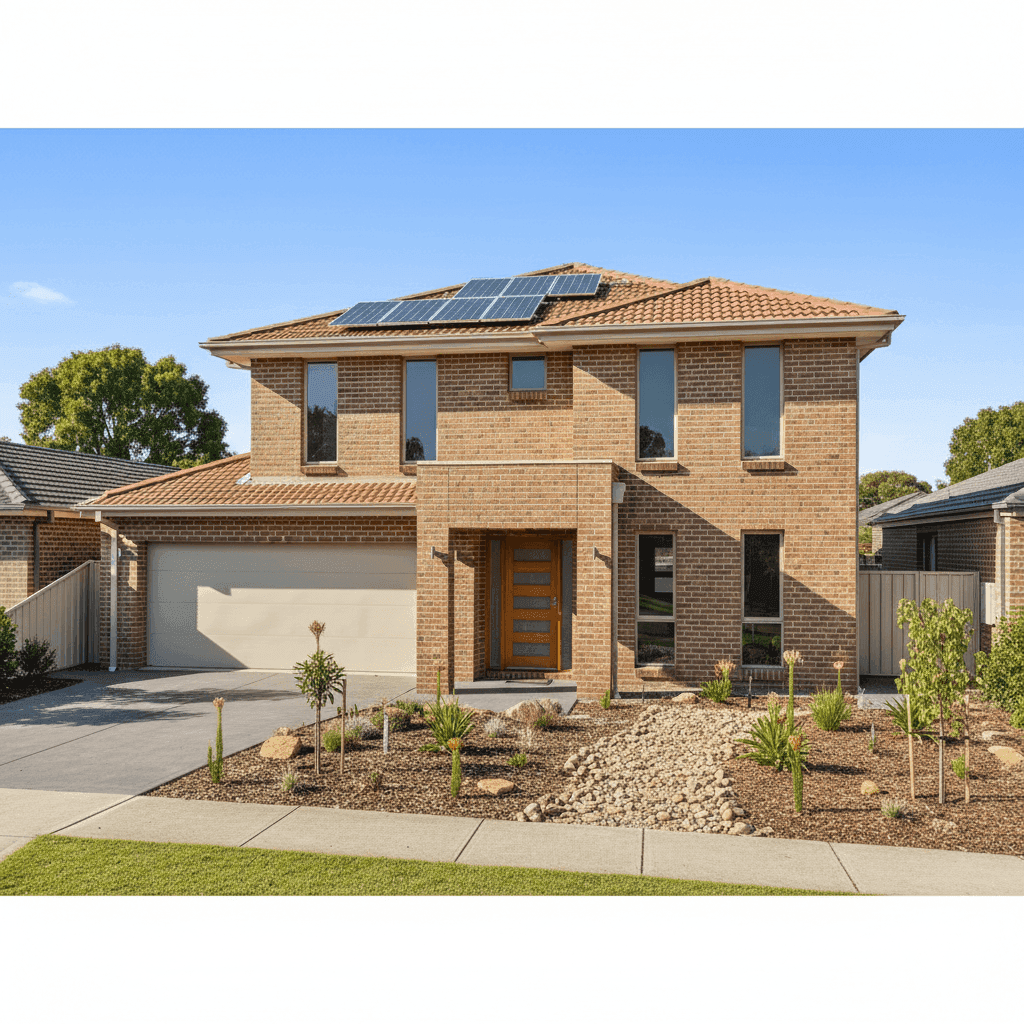
If you own a free standing home in Glendale, NSW 2285, you've likely noticed that home insurance premiums can vary wildly depending on who you ask. This article breaks down a real home and contents insurance quote for a four-bedroom property in the suburb, benchmarks it against local, state, and national data, and offers practical advice for keeping your costs in check.
---
Is This Quote Fair?
The quote in question comes in at $3,289 per year (or $315 per month) for combined home and contents cover, with a building sum insured of $683,000 and contents valued at $50,000. Both the building and contents excess are set at $500.
Based on our pricing data, this quote is rated Expensive — above average for the area. It sits notably higher than the suburb average of $2,269 per year and the suburb median of $2,188 per year. In fact, it even exceeds the 75th percentile for Glendale, which sits at $2,482 per year — meaning this quote is pricier than at least three-quarters of comparable quotes in the postcode.
That said, context matters. The building sum insured of $683,000 is a significant coverage amount, and the property includes features like solar panels and ducted climate control that can push premiums upward. We'll explore those factors in more detail below.
---
How Glendale Compares
To put this quote in perspective, here's how Glendale stacks up against broader benchmarks:
| Benchmark | Average Premium | Median Premium |
|---|---|---|
| Glendale (2285) | $2,269/yr | $2,188/yr |
| Newcastle LGA | $3,835/yr | — |
| NSW | $9,528/yr | $3,770/yr |
| National | $5,347/yr | $2,764/yr |
A few things stand out here. The NSW state average of $9,528 is dramatically inflated by high-risk postcodes — coastal flood zones, bushfire-prone areas, and densely populated inner-city suburbs — so the median of $3,770 is a more useful reference point for most homeowners. Glendale's median of $2,188 sits comfortably below the national median of $2,764, which suggests the suburb is generally considered a moderate-risk area by insurers.
You can explore the full breakdown of local pricing trends on the Glendale suburb stats page, or compare how the suburb sits within the broader NSW insurance landscape. For a bird's-eye view, the national stats page offers useful context across all states and territories.
It's worth noting that the sample size for Glendale is currently 10 quotes, so while the data is directionally useful, a larger dataset would give an even clearer picture of the local market.
---
Property Features That Affect Your Premium
Several characteristics of this particular property will directly influence what insurers charge. Here's how each one plays a role:
Brick Veneer Walls & Tile Roof
Brick veneer construction with a tiled roof is one of the more insurer-friendly combinations in Australia. Both materials are considered durable, fire-resistant, and relatively inexpensive to repair compared to alternatives like weatherboard or Colorbond steel. This generally works in the homeowner's favour when it comes to pricing.
Slab Foundation
A concrete slab foundation is standard for homes built in the 2000s and is typically viewed positively by insurers. It reduces the risk of subsidence and pest-related structural damage, both of which can be costly to remediate.
Solar Panels
Solar panels are an increasingly common feature on Australian homes, but they do add to the insured value of the property. Insurers factor in the replacement cost of panels — which can run into the tens of thousands of dollars — when calculating your building premium. With solar panels present, it's important to confirm with your insurer that they are explicitly covered under your policy, as some standard policies may have exclusions or sub-limits.
Ducted Climate Control
Ducted air conditioning systems are expensive to install and repair, and their inclusion increases the overall replacement value of the home. This is reflected in the premium calculation, particularly for the building component of the cover.
No Pool
The absence of a swimming pool removes one notable liability and maintenance risk from the equation. Pools can attract higher premiums due to the associated liability exposure and the cost of pool equipment replacement.
Built in 2007
A home constructed in 2007 benefits from relatively modern building codes and standards, which typically means better structural integrity and compliance with contemporary safety requirements. Insurers generally view newer builds more favourably than older homes that may have outdated wiring, plumbing, or roofing.
---
Tips for Homeowners in Glendale
If you're looking to get better value on your home insurance, here are four practical steps worth considering:
- Shop around — seriously. The gap between the cheapest and most expensive quotes in Glendale spans from around $1,565 (25th percentile) to over $2,482 (75th percentile). This quote sits above even the top quartile, which strongly suggests there's room to find a more competitive price without sacrificing coverage quality. Use a comparison tool like CoverClub to see multiple quotes side by side.
- Review your sum insured. A building sum insured of $683,000 for a 214 sqm home built in 2007 may be appropriate, but it's worth verifying using a building cost calculator. Over-insuring means you're paying more in premiums than necessary, while under-insuring can leave you exposed at claim time. Make sure your figure reflects current construction costs in the Newcastle region.
- Confirm solar panel coverage. Given the solar panels on this property, it's worth reading the fine print of any policy you're considering. Ask your insurer directly whether the panels are covered for accidental damage, storm damage, and theft — and whether there's a sub-limit that might apply.
- Consider a higher excess. Both the building and contents excess on this quote are set at $500. Opting for a higher voluntary excess (say, $1,000 or $2,000) can meaningfully reduce your annual premium. This strategy works well if you have a solid emergency fund and are primarily insuring against major, catastrophic losses rather than minor claims.
---
Compare Your Options with CoverClub
Whether you're renewing an existing policy or shopping for the first time, it pays to compare. CoverClub makes it easy to benchmark your home insurance quote against real data from your suburb and across Australia. Get a quote today and see how much you could save on cover for your Glendale home.