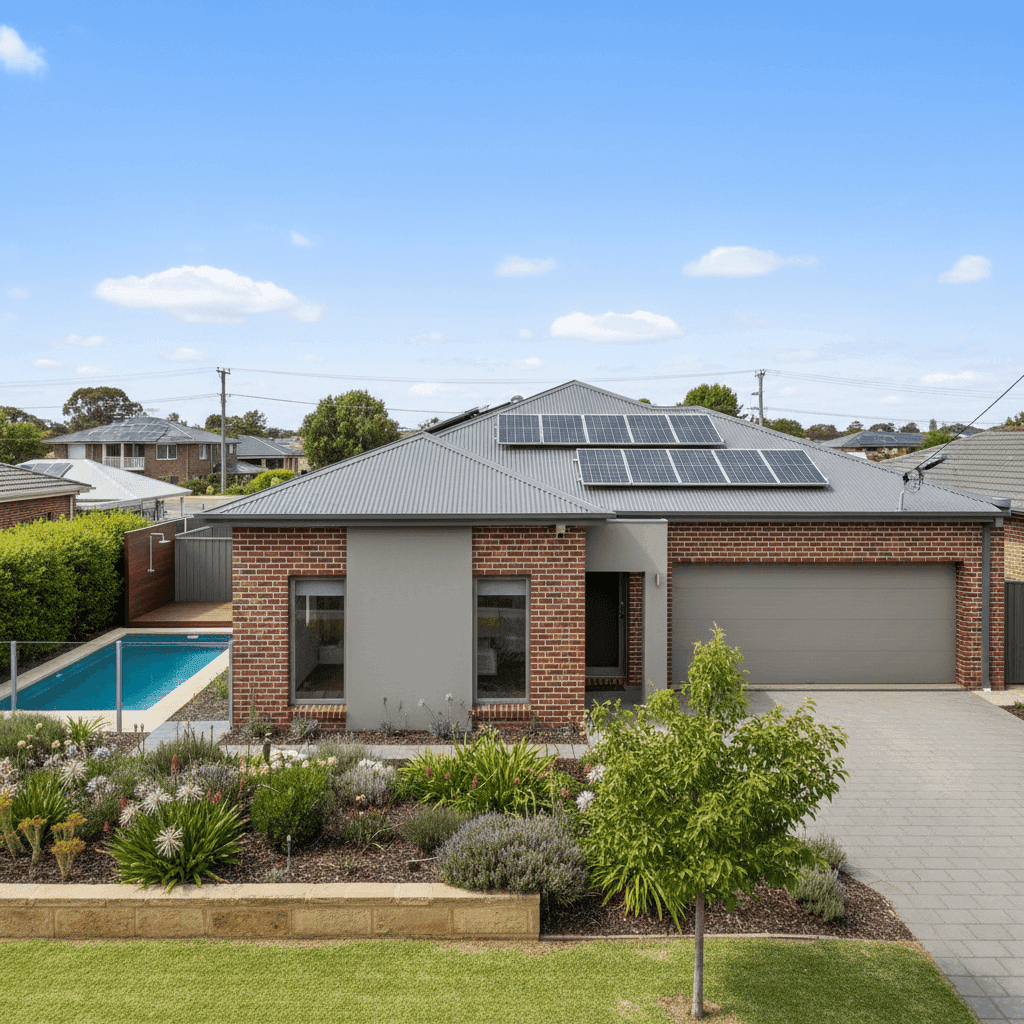
If you own a free standing home in Glenelg East, SA 5045, you're living in one of Adelaide's most sought-after coastal suburbs — just minutes from the beach, with tree-lined streets and a mix of character homes and modern renovations. But desirable suburbs come with their own insurance considerations, and if you've recently received a home and contents quote, you might be wondering whether you're getting a fair deal.
This article breaks down a real insurance quote for a 3-bedroom, 2-bathroom free standing home in Glenelg East, compares it against local, state, and national benchmarks, and offers practical tips to help you manage your premium.
---
Is This Quote Fair?
The quote in question comes in at $2,769 per year (or $265/month) for combined home and contents cover, with a building sum insured of $750,000 and contents valued at $200,000. Both the building and contents excess are set at $1,000.
Our price rating for this quote is Expensive — Above Average.
To put that in perspective, the average premium across the 8 quotes we've recorded for Glenelg East sits at $1,949/year, with a median of $1,924/year. This quote lands well above the suburb's 75th percentile of $2,133/year, meaning it's pricier than at least three-quarters of comparable quotes in the area.
That said, "expensive" doesn't necessarily mean "wrong." A number of property-specific factors — which we'll explore below — can legitimately push a premium higher. The key question is whether those factors justify the gap, or whether shopping around could close it.
---
How Glenelg East Compares
Understanding where your premium sits relative to broader benchmarks is essential context for any insurance decision.
| Benchmark | Premium |
|---|---|
| This Quote | $2,769/yr |
| Glenelg East Suburb Average | $1,949/yr |
| Glenelg East Suburb Median | $1,924/yr |
| LGA (West Torrens) Average | $1,992/yr |
| SA State Average | $2,433/yr |
| SA State Median | $1,679/yr |
| National Average | $5,347/yr |
| National Median | $2,764/yr |
A few things stand out here. First, this quote is notably higher than both the Glenelg East suburb average and the West Torrens LGA average, suggesting it's not typical for the immediate area. Second, it sits above the SA state average of $2,433/year — though South Australia as a whole tends to be more affordable than many other states.
When compared against national figures, the picture shifts. The national average of $5,347/year is dramatically higher — largely driven by extreme premiums in cyclone-prone regions of Queensland and northern Australia. This quote is actually very close to the national median of $2,764/year, which suggests it's not outlandish by Australian standards — just on the higher end for this particular suburb.
The relatively small suburb sample size (8 quotes) is worth noting. With limited data points, averages can shift considerably with just one or two outliers, so treat the local benchmarks as a guide rather than a definitive verdict.
---
Property Features That Affect Your Premium
Several characteristics of this property are likely contributing to a higher-than-average premium. Here's what insurers are likely weighing up:
Age of Construction (1930)
Homes built in the 1930s carry inherent risks that newer builds don't. Ageing plumbing, older electrical wiring, and structural wear can all increase the likelihood of a claim. While double brick construction is durable, insurers often apply age loadings to homes of this era.
Double Brick Walls
Double brick is generally viewed positively by insurers — it's robust, fire-resistant, and thermally efficient. However, it can be expensive to repair or rebuild, which may contribute to a higher building sum insured and, in turn, a higher premium.
High Building Sum Insured ($750,000)
A $750,000 building sum insured is substantial, and premium costs scale with this figure. For a 130 sqm home in Glenelg East, it's worth verifying that this figure reflects the actual rebuild cost (not the market value), as over-insuring can unnecessarily inflate your premium.
Swimming Pool
Pools add liability risk and maintenance complexity. Most insurers factor pool ownership into their risk assessment, which can nudge premiums upward.
Solar Panels
Solar panel systems represent significant installed value and can be damaged by storms, hail, or fire. Depending on the policy, they may be covered under the building sum insured or require a separate endorsement — either way, their presence is a premium consideration.
Ducted Climate Control
Ducted systems are expensive to repair or replace, and their presence signals a higher overall contents and fixtures value, which can influence pricing.
Timber and Laminate Flooring
Timber flooring, while attractive, is susceptible to water damage and can be costly to restore. This is a known risk factor for insurers, particularly in older homes where plumbing issues are more common.
---
Tips for Homeowners in Glenelg East
1. Review Your Building Sum Insured
Make sure your $750,000 building cover reflects the true cost to rebuild — not the market value of the property. Use a building cost calculator or consult a quantity surveyor to get an accurate figure. If you're over-insured, you're paying more than you need to.
2. Compare Multiple Quotes
With this quote sitting above the suburb average, it's well worth shopping around. Different insurers assess risk differently, and the spread between the cheapest and most expensive quotes in a suburb can be significant. Get a quote through CoverClub to compare options side by side.
3. Ask About Discounts for Security and Safety Features
If your home has a monitored alarm system, deadbolts, or smoke detectors, make sure your insurer knows. These features can attract discounts that aren't always applied automatically.
4. Consider Increasing Your Excess
Both the building and contents excess on this policy are set at $1,000. Opting for a higher voluntary excess — say, $2,500 — can meaningfully reduce your annual premium. Just ensure the excess remains an amount you could comfortably cover in the event of a claim.
---
Compare Your Options with CoverClub
Whether you're renewing your existing policy or exploring cover for the first time, comparing quotes is the single most effective way to ensure you're not overpaying. CoverClub makes it easy to see how your premium stacks up against others in your suburb and across South Australia.
Start comparing home insurance quotes today — it takes just a few minutes and could save you hundreds of dollars a year.