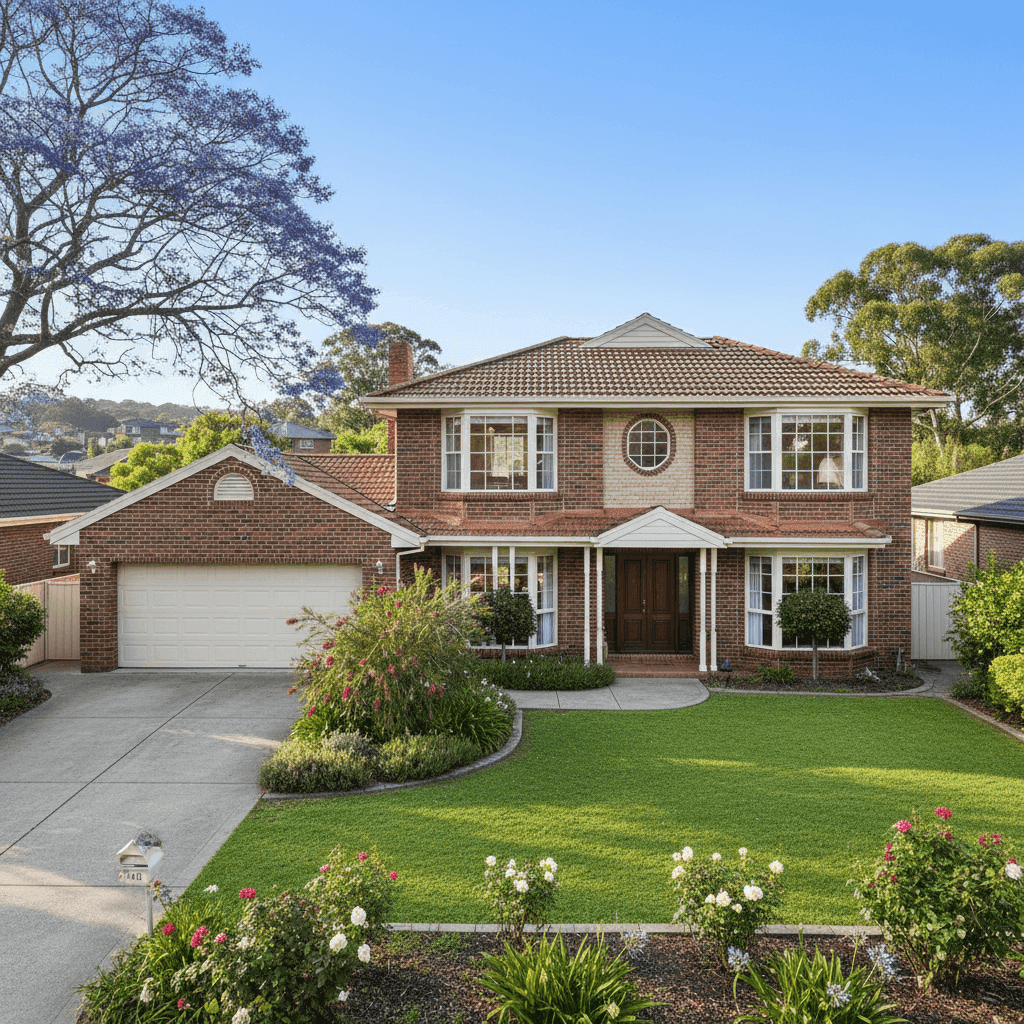
Glenhaven is a leafy, family-friendly suburb in the Hills District of Sydney, sitting within the Hornsby Shire. Known for its generous block sizes, quiet streets, and well-established homes, it's a suburb where property values — and the cost of protecting them — deserve a close look. This article breaks down a real home and contents insurance quote for a four-bedroom, free-standing brick veneer home in Glenhaven, and puts the numbers into context against local, state, and national benchmarks.
---
Is This Quote Fair?
The annual premium for this property came in at $2,719 per year (or $261/month), covering a building sum insured of $900,000 and contents valued at $135,000. Both the building and contents excess are set at $1,000.
Our pricing engine has rated this quote as CHEAP — below average for the area. That's a meaningful finding. Based on a sample of 34 quotes collected for the Glenhaven postcode (2156), the suburb average sits at $4,655 per year and the median at $4,678 per year. This quote comes in well below both figures — and it even undercuts the suburb's 25th percentile of $3,194 per year, meaning it's cheaper than at least 75% of comparable quotes in the area.
In plain terms: if you received this quote, you'd be getting a genuinely competitive deal. It's not just marginally below average — it's significantly so.
---
How Glenhaven Compares
To understand whether this is a good result, it helps to zoom out and look at the broader pricing landscape.
| Benchmark | Premium |
|---|---|
| This quote | $2,719/yr |
| Glenhaven suburb average | $4,655/yr |
| Glenhaven suburb median | $4,678/yr |
| Glenhaven 25th percentile | $3,194/yr |
| LGA (Hornsby) average | $3,958/yr |
| NSW state average | $9,528/yr |
| NSW state median | $3,770/yr |
| National average | $5,347/yr |
| National median | $2,764/yr |
A few things stand out here. The NSW state average of $9,528 looks alarming at first glance, but it's heavily skewed by high-risk postcodes — coastal flood zones, bushfire-prone areas, and cyclone-affected regions in northern NSW. The state median of $3,770 is a far more representative figure for typical NSW homeowners, and this quote still comes in below that.
Nationally, the median premium is $2,764, which means this Glenhaven quote is broadly in line with what a typical Australian homeowner pays — despite the property carrying a $900,000 building sum insured, which is on the higher end.
You can explore Glenhaven suburb insurance statistics, NSW state averages, and national benchmarks on CoverClub to dig deeper into the data.
---
Property Features That Affect Your Premium
Insurance premiums aren't plucked from thin air — they're calculated based on a detailed risk profile of the property. Here's how the features of this particular home likely influenced the quote:
Brick veneer construction is generally viewed favourably by insurers. It offers solid fire resistance and durability compared to timber-framed or clad homes, which can translate to lower premiums. Combined with a tiled roof, this home sits in a construction category that's considered relatively low-risk for weather and fire damage.
Slab foundation is the most common foundation type in suburban Sydney and is well understood by insurers. It doesn't carry the same subsidence or flood-cavity concerns that can affect pier-and-beam or older sandstone foundations.
Carpet flooring is standard for a home of this era and type. It doesn't significantly elevate or reduce premiums on its own, but it does factor into contents replacement calculations.
Ducted climate control is worth noting. These systems are expensive to repair or replace, and their presence can slightly increase the insured value of the building. However, they're also common in Hills District homes, so most insurers price them routinely.
The property was built in 1990, which places it in a generation of homes that are well past their initial construction warranty period but not old enough to attract the surcharges sometimes applied to pre-1970s homes with older electrical or plumbing systems. At 139 sqm of building size, this is a modest footprint for a four-bedroom home, which may help keep the replacement cost — and therefore the premium — more manageable.
Notably, this property has no pool and no solar panels, both of which can add complexity and cost to a policy. Their absence simplifies the risk profile.
---
Tips for Homeowners in Glenhaven
Whether you've just received a quote or you're reviewing your existing policy, here are four practical steps worth considering:
- Review your sum insured regularly. Building costs in Greater Sydney have risen sharply over the past few years. A $900,000 sum insured may have been accurate at the time of quoting, but it's worth checking against current construction cost estimates annually. Being underinsured at claim time can be a costly mistake.
- Don't auto-renew without comparing. The data shows a wide spread of premiums in Glenhaven — from under $3,200 at the 25th percentile to over $5,800 at the 75th percentile. That's a significant range, and shopping around at renewal can make a real difference. Get a fresh quote at CoverClub to see where you stand.
- Consider your excess settings. Both the building and contents excess on this policy are set at $1,000. Increasing your excess can reduce your annual premium, but make sure you're comfortable covering that amount out of pocket if you need to claim. It's a balancing act worth revisiting each year.
- Check for bushfire and storm preparedness discounts. Parts of the Hills District sit near bushfire-prone land. Some insurers offer discounts or better terms for homes with ember guards, bushfire-rated vents, or maintained gutters. It's worth asking your insurer whether any mitigation measures could improve your premium.
---
Find the Best Cover for Your Glenhaven Home
A below-average premium is a great outcome — but the best policy isn't always the cheapest one. It's the one that offers the right level of cover at a fair price. CoverClub makes it easy to compare home and contents insurance quotes side by side, so you can see exactly what you're getting for your money.
Compare home insurance quotes for your Glenhaven property and find out if you're getting the deal you deserve.