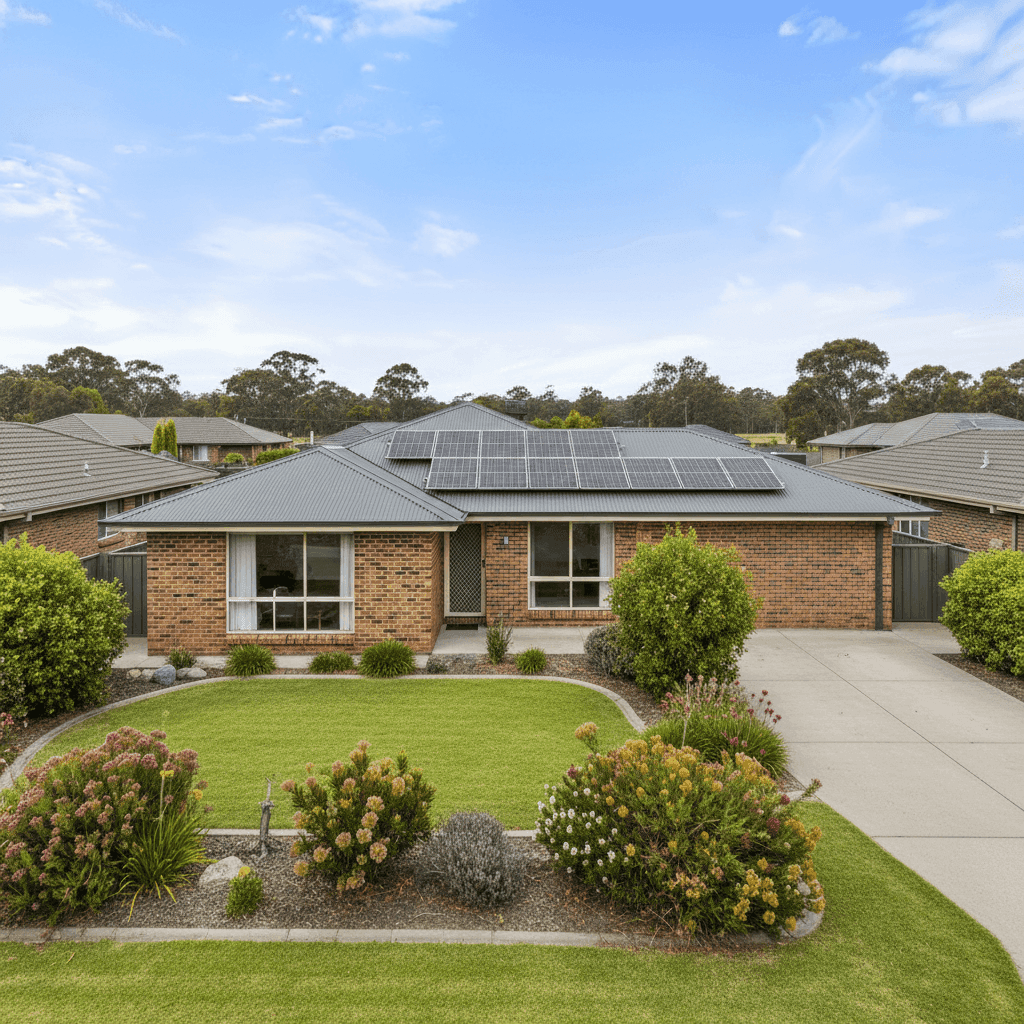
Glossodia is a quiet residential suburb on the north-western fringe of Sydney, sitting within the Hawkesbury local government area. It's a popular spot for families seeking space and a semi-rural lifestyle without straying too far from the city. If you own a free standing home here, you already know that property values — and the cost of protecting them — can vary significantly from suburb to suburb. This article breaks down a real home and contents insurance quote for a 3-bedroom, brick veneer home in Glossodia, and puts the numbers into context so you can judge whether your own premium stacks up.
---
Is This Quote Fair?
The quote in question comes in at $2,468 per year (or $241/month) for combined home and contents cover, with a building sum insured of $574,000 and contents valued at $140,300. Both the building and contents excess are set at $2,000.
Our price rating for this quote is CHEAP — below average — and the data backs that up convincingly. The suburb average premium in Glossodia sits at $4,655 per year, meaning this quote is roughly 47% below what most homeowners in the same postcode are paying. Even compared to the suburb's 25th percentile (the cheapest quarter of quotes), which sits at $3,317/yr, this premium is still meaningfully lower.
For a homeowner in Glossodia, this represents genuinely strong value. A saving of over $2,000 annually compared to the local average is significant — that's money that could go toward building an emergency fund, upgrading home security, or simply reducing household expenses.
---
How Glossodia Compares
To understand just how competitive this premium is, it helps to zoom out and look at the broader picture.
| Benchmark | Annual Premium |
|---|---|
| This Quote | $2,468 |
| Glossodia Suburb Average | $4,655 |
| Glossodia Suburb Median | $4,544 |
| Glossodia 25th Percentile | $3,317 |
| NSW State Average | $3,801 |
| NSW State Median | $3,410 |
| National Average | $2,965 |
| National Median | $2,716 |
| Lithgow LGA Average | $5,454 |
A few things stand out here. First, Glossodia premiums are notably higher than both the NSW state average and the national average — suggesting that insurers price this area with a degree of caution, likely reflecting the Hawkesbury region's history with flooding and bushfire risk. The Lithgow LGA average of $5,454/yr is even higher, which places Glossodia's local pricing in a challenging regional context.
Second, this particular quote sits below the national median of $2,716 — an impressive result for a property in an area where local averages are substantially elevated. That's a strong indicator that the insurer has assessed this specific property favourably.
You can explore more local data on the Glossodia suburb stats page, compare it against the NSW state overview, or view national home insurance benchmarks to see how your area fits into the bigger picture.
> Note: The Glossodia sample size used in this comparison is 6 quotes, so while directionally useful, these figures should be treated as indicative rather than definitive.
---
Property Features That Affect Your Premium
Insurance pricing is never one-size-fits-all. Insurers assess dozens of property-specific factors when calculating a premium, and the characteristics of this home play a meaningful role in the outcome.
Brick Veneer Construction Brick veneer walls are generally viewed favourably by insurers. They offer solid fire resistance and durability compared to timber weatherboard, which can contribute to a lower premium. That said, they're not as robust as full double-brick construction, so the benefit is moderate rather than dramatic.
Steel/Colorbond Roof A Colorbond roof is considered low-maintenance and highly durable — resistant to corrosion, fire, and extreme weather. Insurers tend to reward this with competitive pricing, particularly in areas with elevated storm or ember risk.
Stump Foundation Homes on stumps (also known as pier or post foundations) are common in older Australian properties. This construction style can be a double-edged sword for insurers: it allows for ventilation and can reduce moisture-related damage, but it may also be associated with older building standards. Given this home was built in 1965, the age of the structure is a factor insurers will consider — older homes can carry higher replacement costs and may have outdated wiring or plumbing.
Solar Panels The presence of solar panels adds to the insured value of the property and introduces some additional risk (panel damage, inverter failure, installation-related issues). However, many modern policies include solar panel cover as standard, and the impact on premium is generally modest.
No Pool, No Ducted Climate Control The absence of a pool removes a meaningful liability and maintenance risk from the equation. Ducted air conditioning systems can be expensive to repair or replace, so not having one simplifies the contents and building valuation somewhat.
Standard Fittings and Carpet Flooring Standard-quality fittings and carpet flooring keep the rebuild and replacement cost estimates grounded. High-end finishes (stone benchtops, hardwood floors, premium appliances) tend to push premiums up — standard fittings keep things straightforward.
---
Tips for Homeowners in Glossodia
Whether you're reviewing an existing policy or shopping for the first time, here are four practical steps worth taking.
1. Check Your Building Sum Insured Carefully A sum insured of $574,000 for a 130 sqm home built in 1965 is substantial, but construction costs in regional NSW have risen sharply in recent years. Use an independent building cost calculator to verify your sum insured reflects current rebuild costs — not just the market value of your land and home combined.
2. Consider Your Bushfire and Flood Exposure The Hawkesbury region has experienced significant flooding events, and parts of the area also carry bushfire risk. Review your policy's specific inclusions and exclusions for these perils. Some policies offer broader flood cover than others, and it's worth confirming exactly what you're covered for before a claim event — not after.
3. Review Your Excess Settings Both the building and contents excess on this quote are set at $2,000. A higher excess typically reduces your annual premium, but it also means more out-of-pocket expense when you do claim. Think about what you could realistically afford to pay in an emergency, and set your excess accordingly.
4. Don't Auto-Renew Without Comparing Insurers often increase premiums at renewal without making it obvious. Even if you're happy with your current insurer, it's worth running a comparison every 12 months. The difference between the cheapest and most expensive quotes in Glossodia spans thousands of dollars per year — loyalty doesn't always pay.
---
Find a Better Deal with CoverClub
Whether this quote reflects your own situation or you're simply curious about what you could be paying, CoverClub makes it easy to compare home and contents insurance options across Australia. Our data-driven approach helps you understand whether your premium is competitive — before you commit to a policy.
Get a home insurance quote today and see how your property stacks up against local and national benchmarks.