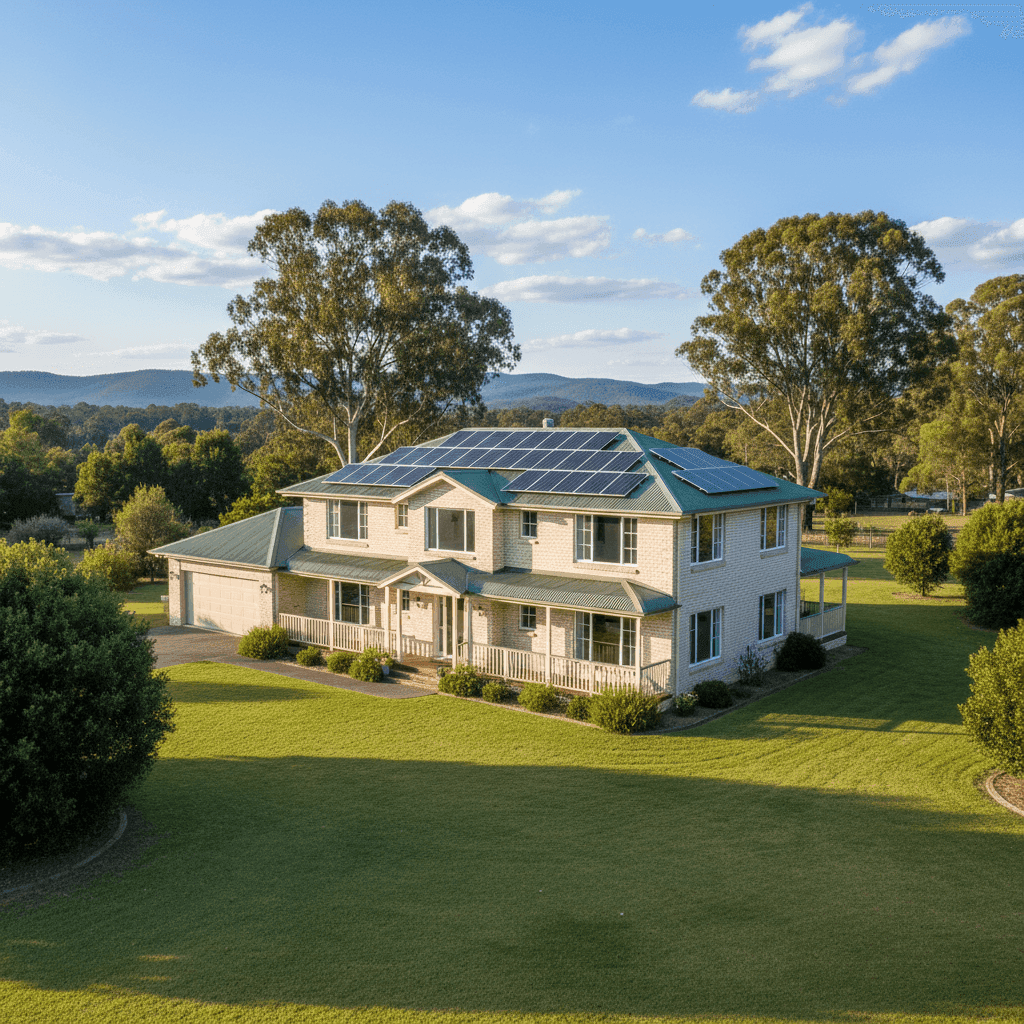
Gloucester is a quiet country town nestled in the Barrington Coast region of mid-north New South Wales, surrounded by lush farmland and the dramatic peaks of the Barrington Tops. It's the kind of place where large family homes are common — and insuring them properly is essential. This article takes a close look at a real home and contents insurance quote for a six-bedroom, five-bathroom free standing home in Gloucester NSW 2422, and unpacks whether the premium stacks up against local, state, and national benchmarks.
---
Is This Quote Fair?
The annual premium for this property comes in at $5,202 per year (or $492 per month), covering both building and contents. Our price rating for this quote is Expensive — Above Average.
To put that in perspective, the suburb average for Gloucester sits at just $2,257 per year, with a median of $2,072. That means this quote is more than double the typical premium paid by other homeowners in the same postcode. Even at the 75th percentile — meaning three-quarters of Gloucester quotes are cheaper — the figure is only $3,067. This quote sits well above that threshold.
That said, context matters enormously here. This is not a typical Gloucester property. At 363 square metres with six bedrooms, five bathrooms, above-average fittings, and a building sum insured of $1,688,000, this is a substantially larger and more valuable home than the suburb average would reflect. The contents are insured for an additional $100,000. When you're covering nearly $1.8 million in total assets, a higher premium is to be expected — the real question is whether it's competitive for this type of property.
---
How Gloucester Compares
Understanding where Gloucester sits in the broader insurance landscape helps frame the quote more clearly.
| Benchmark | Average Premium |
|---|---|
| Gloucester (suburb avg) | $2,257/yr |
| Gloucester (suburb median) | $2,072/yr |
| NSW state average | $3,801/yr |
| NSW state median | $3,410/yr |
| National average | $2,965/yr |
| National median | $2,716/yr |
| Walcha LGA average | $4,041/yr |
Gloucester's suburb average of $2,257 is notably below both the NSW state average and the national average — suggesting that, in general, Gloucester homeowners enjoy relatively affordable premiums. This likely reflects the area's lower density, reduced crime rates, and the fact that it sits outside cyclone and high-flood-risk zones.
However, the NSW state average of $3,801 and the national average of $2,965 are both based on a wide mix of property sizes and values. For a prestige-sized home with a near-$1.7 million building sum insured, the $5,202 quote is arguably more in line with what you'd expect to pay in a metropolitan market for a comparable property.
The Walcha LGA average of $4,041 per year is also worth noting — this regional LGA benchmark is considerably higher than the Gloucester suburb figures, suggesting that larger or higher-value rural properties in the broader region do attract meaningfully higher premiums.
---
Property Features That Affect Your Premium
Several characteristics of this property directly influence the premium calculation:
Large size and high sum insured: At 363 sqm with a building sum insured of $1,688,000, this is a premium-tier property. Rebuild costs for a home of this scale — with above-average fittings across five bathrooms and six bedrooms — are substantial, and the insurer prices accordingly.
Brick veneer construction: Brick veneer walls are generally viewed favourably by insurers. They offer good fire resistance and structural durability compared to lightweight cladding or weatherboard, which can translate to modest savings on the building component of a policy.
Steel/Colorbond roof: Colorbond roofing is highly regarded in Australian conditions. It's durable, low-maintenance, and performs well in both heat and heavy rain — all factors that reduce the likelihood of weather-related claims. This is a positive for your premium.
Slab foundation: Concrete slab foundations are considered stable and resilient, with lower susceptibility to subsidence or pest-related structural damage compared to raised timber stumps. Insurers generally treat slab homes as lower risk.
Solar panels: The presence of solar panels adds to the insurable value of the property and introduces some additional risk (panel damage from hail, fire, or storms). It's worth confirming with your insurer that solar panels are explicitly covered under your policy — some standard policies may require an endorsement or additional cover.
Above-average fittings: High-quality fixtures, finishes, and fittings increase the cost to rebuild or repair, which is reflected in a higher building sum insured and, consequently, a higher premium. Ensuring your sum insured accurately reflects replacement costs — not just market value — is critical for a home of this standard.
No pool, no cyclone risk: The absence of a pool removes a common liability and maintenance risk. Being outside a designated cyclone risk zone also keeps the premium from attracting the significant loading that coastal Queensland or northern WA properties often face.
---
Tips for Homeowners in Gloucester
1. Validate your building sum insured regularly With a sum insured of $1,688,000, it's important to revisit this figure annually. Construction costs in regional NSW have risen sharply in recent years, and underinsurance remains one of the most common — and costly — mistakes homeowners make. Use a quantity surveyor or your insurer's rebuild cost calculator to stay accurate.
2. Compare quotes across multiple insurers This quote is rated as expensive relative to the suburb. Even for a large home, the gap between insurers can be significant. Run a comparison at CoverClub to see whether another provider offers equivalent cover at a lower price point.
3. Review your contents cover $100,000 in contents cover is relatively modest for a six-bedroom, five-bathroom home with above-average fittings. Take stock of your furniture, appliances, electronics, and valuables — you may find you're underinsured on the contents side even if the building cover is solid.
4. Ask about bundling discounts and loyalty benefits Some insurers offer discounts when you combine home and contents under a single policy (which this quote already does), or when you hold multiple policies with the same provider. It's always worth asking — even a 10–15% discount on a $5,202 premium represents meaningful savings.
---
Ready to Find a Better Deal?
Whether you're a first-time buyer or a long-time Gloucester local, comparing your home insurance options is one of the smartest financial moves you can make. CoverClub makes it easy to see what other homeowners in your suburb are paying and find a policy that fits your property and your budget. Get a home insurance quote today and see how much you could save — or confirm that your current cover is genuinely competitive.
For more data on insurance pricing in your area, explore the Gloucester suburb stats or browse the full NSW insurance overview.