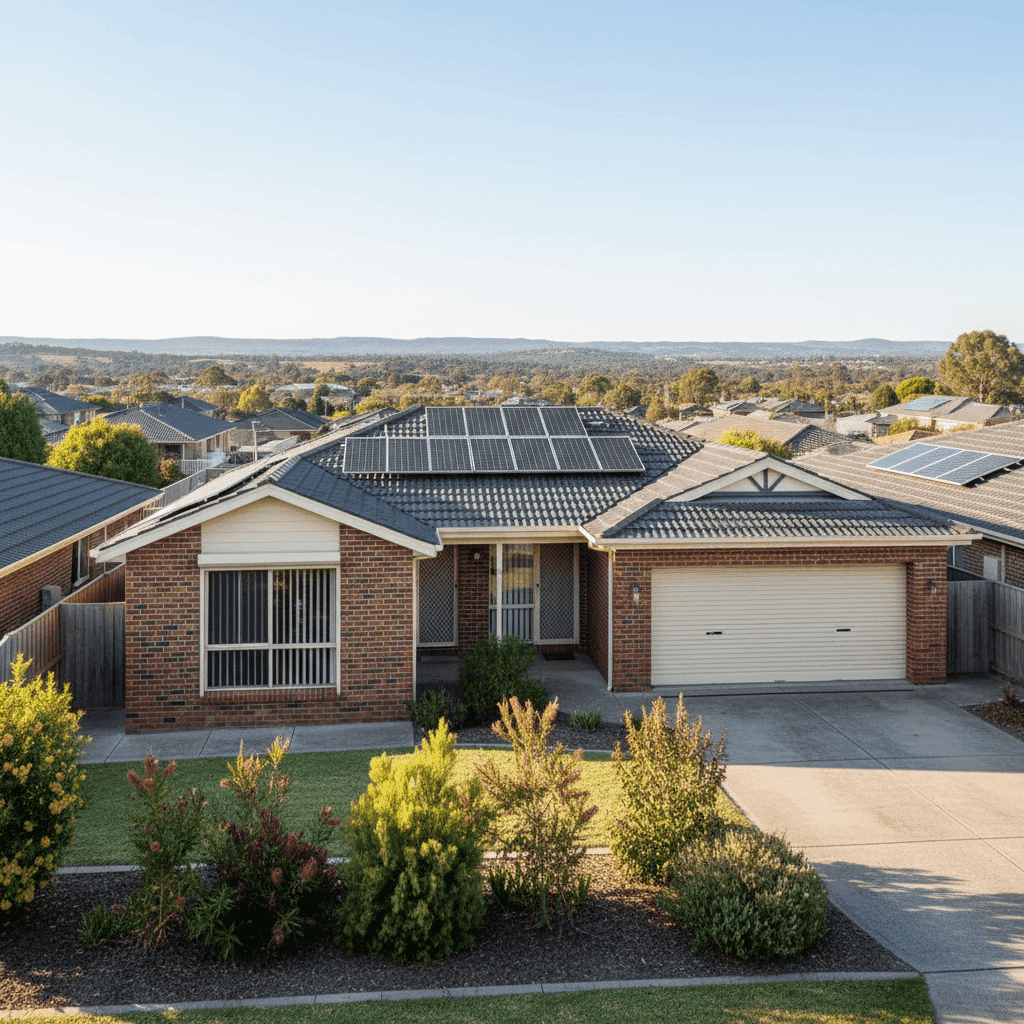
Gordon is a quiet, well-established suburb in the southern reaches of the ACT, popular with families drawn to its leafy streets, good schools, and easy access to the Tuggeranong town centre. If you own a free standing home here, you're likely paying close attention to household costs — and home insurance is one of the bigger line items worth scrutinising. In this article, we break down a real home and contents insurance quote for a 3-bedroom, 2-bathroom brick veneer home in Gordon, and put that figure in context against suburb, territory, and national benchmarks.
---
Is This Quote Fair?
The quote in question comes in at $1,845 per year (or roughly $177 per month) for combined home and contents cover, with a building sum insured of $733,000 and contents valued at $111,000. Both the building and contents excess are set at $1,000.
Our pricing analysis rates this quote as Expensive — Above Average for the Gordon area. That doesn't necessarily mean you're being ripped off, but it does mean there's likely room to shop around. Here's why:
- The suburb average premium for Gordon (ACT 2906) sits at $1,524/yr, and the median is even lower at $1,403/yr — meaning more than half of comparable quotes in this suburb come in below that figure.
- This quote is $321 above the suburb average and $442 above the suburb median.
- It does, however, fall within the suburb's 75th percentile of $1,782/yr — actually slightly above it — which confirms it's on the pricier end of the local range.
That said, context matters. The sum insured here is $733,000 for the building alone, which is a substantial figure. Higher coverage limits naturally push premiums upward, so some of the price gap may simply reflect the level of protection being purchased rather than the insurer charging a premium rate.
For a deeper look at pricing trends across the suburb, visit our Gordon, ACT 2906 insurance stats page.
---
How Gordon Compares
One of the most useful things you can do when assessing a quote is zoom out. Here's how Gordon stacks up at different levels:
| Benchmark | Average Premium | Median Premium |
|---|---|---|
| Gordon (ACT 2906) | $1,524/yr | $1,403/yr |
| LGA (Unincorporated ACT) | $2,172/yr | — |
| ACT (State) | $2,288/yr | $2,186/yr |
| National | $5,347/yr | $2,764/yr |
A few things stand out here. Gordon is noticeably cheaper than the ACT average — by around $764/yr on average — which reflects the suburb's relatively low-risk profile. There are no cyclone zones, no significant flood plains in this part of Tuggeranong, and the area has a mature, stable housing stock.
The national average of $5,347/yr looks alarming, but that figure is heavily skewed by high-risk regions in Queensland, Western Australia, and northern Australia where cyclone, flood, and bushfire risks dramatically inflate premiums. The national median of $2,764/yr is a more representative comparison point — and Gordon still sits well below it.
For a broader picture of insurance costs across the territory, see our ACT insurance stats page, or explore national home insurance data to see how your suburb compares to the rest of Australia.
---
Property Features That Affect Your Premium
Every home is different, and insurers price risk based on a range of property-specific factors. Here's how the characteristics of this particular home influence what you'd pay:
Brick Veneer Construction Brick veneer is one of the most common wall types in ACT homes built during the late 1980s and 1990s, and insurers generally view it favourably. It offers solid fire resistance and durability, which can help moderate your premium compared to timber-framed or clad homes.
Tiled Roof Terracotta or concrete tiles are a standard roofing choice in the ACT and are considered relatively low-risk by underwriters. They're durable and less susceptible to fire damage than corrugated iron in some scenarios, though they can be more expensive to repair if cracked by hail.
Construction Year: 1992 At around 33 years old, this home is neither brand new nor ageing to the point of concern. Homes from this era are generally well-built under the standards of the time, but insurers may factor in the age of fixtures, plumbing, and electrical systems when pricing risk.
Solar Panels The presence of solar panels adds a modest layer of complexity for insurers. Panels need to be covered for storm or hail damage, and their replacement cost can be significant. Make sure your building sum insured accounts for the value of your solar system — many homeowners forget to include this.
Ducted Climate Control Ducted heating and cooling systems are a common feature in ACT homes given the region's cold winters and warm summers. These systems add to the replacement value of the home, which is another reason to ensure your building sum insured is accurate and up to date.
Elevated Foundation (Less Than 1m) The home sits on stumps with a slight elevation of under one metre. While this is a modest elevation, it can aid in ventilation and reduces direct ground contact, which may marginally reduce moisture-related risk. It's worth noting for insurers, though it's unlikely to be a major pricing factor at this height.
No Pool, No Cyclone Risk The absence of a swimming pool removes a common liability risk factor, and Gordon's location outside any designated cyclone risk zone means you won't be paying the significant cyclone loading that affects premiums in northern Australia.
---
Tips for Homeowners in Gordon
1. Review your building sum insured regularly Construction costs have risen sharply in recent years across the ACT. If your building sum insured hasn't been updated to reflect current rebuild costs — not market value, but what it would actually cost to rebuild from scratch — you could be underinsured. Use a building cost calculator or speak with a quantity surveyor to get an accurate figure.
2. Include your solar panels in your coverage Solar panel systems can cost $8,000–$20,000 or more to replace. Confirm with your insurer that your panels are covered under your building policy and that their replacement value is factored into your sum insured. Some policies cover them automatically; others require you to list them separately.
3. Shop around — even if your current insurer is convenient This quote sits above the suburb average, which is a signal worth acting on. Insurers price risk differently, and even for the same property, premiums can vary by hundreds of dollars. CoverClub makes it easy to compare multiple quotes side by side so you can see what the market is actually offering.
4. Consider adjusting your excess A $1,000 excess is fairly standard, but opting for a higher excess — say $2,000 — can meaningfully reduce your annual premium. If you're a low-claims household with a solid emergency fund, a higher excess is often a smart trade-off.
---
Compare Your Options with CoverClub
Whether this quote is the right one for you depends on your specific circumstances, but the data suggests there's value in exploring alternatives. CoverClub aggregates real quotes from across Australia, so you can see exactly where your premium sits relative to the market — and find a better deal if one exists.
Get a home insurance quote for your Gordon property today and see how your options stack up.