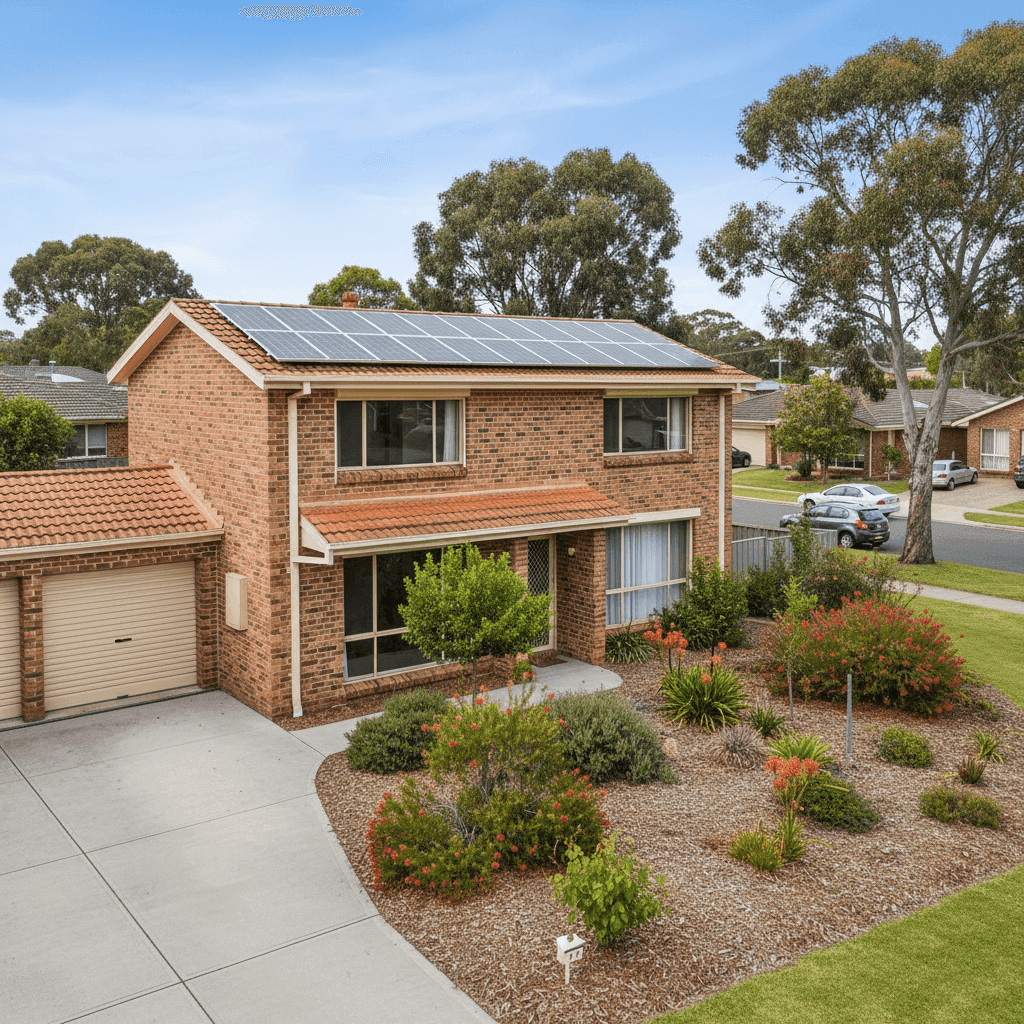
If you own a free standing home in Gorokan, NSW 2263, understanding what you should expect to pay for home and contents insurance is one of the smartest financial moves you can make. Situated on the Central Coast, Gorokan is a well-established suburb with a mix of older brick homes and more recent builds — and insurance premiums in the area can vary quite significantly depending on the property and the insurer. This article breaks down a real quote for a 3-bedroom, 1-bathroom brick veneer home in Gorokan, and puts it in context against local, state, and national benchmarks.
---
Is This Quote Fair?
The annual premium for this property came in at $1,167 per year (or around $116/month), covering both building (sum insured: $388,000) and contents ($80,000). Our pricing analysis rates this quote as CHEAP — below average for the area.
To put that in perspective: the average home and contents premium across 30 quotes in the Gorokan suburb sits at $1,827 per year, with a median of $1,805. That means this quote is roughly 36% below the suburb average — a meaningful saving for any household budget.
Even compared to the suburb's 25th percentile (the cheapest quarter of quotes), which sits at $1,272/year, this premium still comes in under that threshold. In short, this is a genuinely competitive quote, not just marginally cheaper than the pack.
It's worth noting that the building excess is set at $3,000 and the contents excess at $1,000. Higher excesses are one common way insurers offer lower upfront premiums, so it's important to weigh the annual saving against what you'd pay out of pocket in the event of a claim.
---
How Gorokan Compares
Zooming out beyond the suburb, the pricing picture becomes even more interesting. Here's how Gorokan stacks up:
| Benchmark | Average Premium |
|---|---|
| Gorokan (suburb) | $1,827 / yr |
| NSW (state) | $3,801 / yr |
| National | $2,965 / yr |
| Central Coast LGA | $4,203 / yr |
Gorokan sits well below both the NSW state average and the national average — and dramatically below the broader Central Coast LGA average of $4,203/year. This likely reflects Gorokan's relatively low exposure to some of the more severe risk factors (such as bushfire, cyclone, or significant flood zones) that drive premiums higher in other parts of the state and country.
For homeowners in the area, this is broadly good news. You can explore more localised data for Gorokan and surrounding postcodes on the Gorokan suburb stats page.
---
Property Features That Affect Your Premium
Every property is different, and insurers weigh up a range of characteristics when calculating a premium. Here's how the key features of this particular home are likely influencing its cost:
Brick Veneer Walls & Tile Roof
Brick veneer is one of the most common external wall materials in Australian suburbs, and it's generally viewed favourably by insurers. It offers solid fire resistance compared to timber weatherboard, which can help keep premiums in check. A tiled roof similarly signals durability and lower risk of wind or weather damage compared to corrugated iron in some scenarios.
Construction Year: 1977
Homes built in the 1970s are well past their initial construction phase, but they can carry some risk factors — particularly around older wiring, plumbing, and roofing materials. Insurers may factor in the age of the property when assessing the likelihood and cost of a claim. That said, a well-maintained 1977 home can still attract competitive premiums, as appears to be the case here.
Slab Foundation & Tile Flooring
A concrete slab foundation is standard for homes of this era and is generally considered structurally sound. Tile flooring throughout also reduces the risk of water damage claims compared to timber or carpet in wet areas, which is a minor but positive factor.
Solar Panels
This property has solar panels installed, which adds some replacement value to the building sum insured. Most standard home insurance policies cover solar panels as part of the building, but it's worth confirming this with your insurer and ensuring the sum insured is sufficient to cover their replacement cost.
Above Average Fittings
The fittings quality is rated as above average, which can push the cost of rebuilding or repairing the home slightly higher. This is already reflected in the building sum insured of $388,000 — ensuring you're not underinsured is critical, especially with construction costs continuing to rise across Australia.
No Pool, No Ducted Climate Control, Not in a Cyclone Risk Zone
The absence of a swimming pool removes a common liability risk factor. Not being located in a cyclone risk zone (unlike parts of Queensland and WA) also keeps premiums lower. These factors collectively contribute to a more straightforward risk profile for insurers.
---
Tips for Homeowners in Gorokan
Whether you're reviewing your existing policy or shopping around for the first time, here are some practical steps to make sure you're getting the best deal:
- Don't set and forget your policy. Insurance premiums can creep up at renewal time without any change to your property or risk profile. Make a habit of comparing quotes annually — even if you're happy with your current insurer, a quick check can reveal significant savings.
- Review your sum insured regularly. With building costs rising across NSW, the cost to rebuild your home may have increased since your policy was last updated. Underinsurance is a real risk — if your sum insured doesn't reflect current rebuild costs, you could be left out of pocket after a major claim. Use an independent building calculator to cross-check your figure.
- Understand your excess before you commit. This quote carries a $3,000 building excess, which is on the higher end. If you'd prefer a lower out-of-pocket cost in a claim scenario, it may be worth requesting quotes with a lower excess — though expect the annual premium to rise in turn.
- Confirm solar panel coverage. If you have solar panels (as this property does), check that your policy explicitly covers them for damage, theft, and breakdown. Not all policies treat solar panels the same way, and some may require a separate endorsement.
---
Compare Home Insurance Quotes in Gorokan
Whether the quote above looks like a good deal for your situation or you're simply curious what you could be paying, the best way to find out is to compare. CoverClub makes it easy to see real quotes for your specific property in seconds — no lengthy forms, no obligation. Get a home insurance quote for your Gorokan property today and see how your premium stacks up.