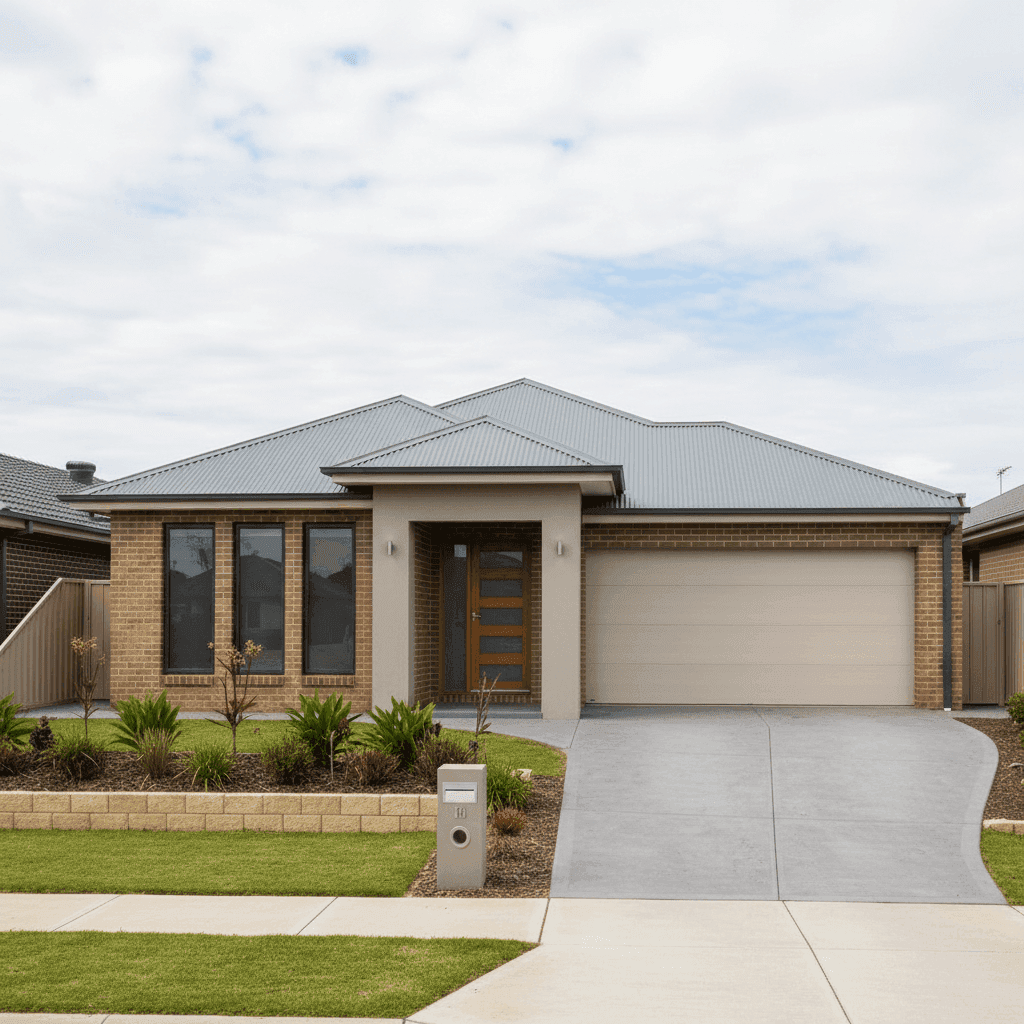
If you own a free standing home in Goulburn, NSW 2580, you've probably wondered whether you're paying a fair price for home and contents insurance — or whether there's a better deal out there. This article breaks down a real insurance quote for a four-bedroom, two-bathroom brick veneer home in Goulburn, comparing it against local, state, and national benchmarks so you can make a more informed decision.
---
Is This Quote Fair?
The quote in question comes in at $2,686 per year (or $262/month) for combined home and contents cover, with a building sum insured of $900,000 and contents valued at $120,000. Both the building and contents excess are set at $1,000.
Our pricing engine rates this quote as FAIR — Around Average, and the data backs that up. The Goulburn suburb average sits at $2,675/year, meaning this premium is almost exactly in line with what other homeowners in the area are paying. It falls comfortably within the suburb's interquartile range of $1,796 to $2,866, placing it squarely in the middle of the pack.
In other words, you're not being overcharged — but there's also room to potentially do better, particularly if you shop around or adjust your cover settings.
---
How Goulburn Compares
One of the most telling insights from this quote is just how favourably Goulburn stacks up against broader benchmarks. Here's a quick snapshot:
| Benchmark | Average Premium | Median Premium |
|---|---|---|
| Goulburn (NSW 2580) | $2,675/yr | $2,293/yr |
| Wingecarribee LGA | $3,081/yr | — |
| New South Wales | $3,801/yr | $3,410/yr |
| National | $2,965/yr | $2,716/yr |
(Based on 83 quotes collected for the Goulburn suburb.)
Goulburn homeowners are paying significantly less than the NSW state average — roughly $1,115/year less than the typical NSW homeowner. Even compared to the national average of $2,965, Goulburn comes out ahead by nearly $300 per year. This makes Goulburn a relatively affordable postcode for home insurance by Australian standards.
It's worth noting that the suburb median ($2,293) is noticeably lower than the suburb average ($2,675), which suggests a handful of higher-premium properties are pulling the average up. If your property is relatively modest in size or risk profile, you may have room to negotiate or shop for a quote closer to that median figure.
---
Property Features That Affect Your Premium
Every property is different, and insurers weigh up a range of physical characteristics when calculating your premium. Here's how the features of this particular home are likely influencing the cost:
Brick Veneer Walls
Brick veneer is one of the most common external wall materials in Australia, and insurers generally view it favourably. It offers solid fire resistance and durability, which can help keep premiums competitive compared to timber-framed or clad homes.
Steel / Colorbond Roof
A Colorbond steel roof is considered a low-risk roofing material. It's highly durable, resistant to fire and ember attack, and less susceptible to storm damage than older terracotta or concrete tiles. This is a genuine premium-friendly feature.
Concrete Slab Foundation
Slab foundations are standard for homes built in this era and are generally well-regarded by insurers. They reduce the risk of subsidence and pest-related structural damage compared to raised timber stumps.
Built in 2015
A relatively modern build means the home is constructed to contemporary Australian building codes, which include improved structural and safety standards. Newer homes tend to attract lower premiums than older properties that may have ageing wiring, plumbing, or roofing.
214 sqm Floor Area with Standard Fittings
At 214 square metres, this is a comfortably sized family home. The standard fittings quality keeps replacement costs predictable, which is reflected in the $900,000 building sum insured — a reasonable figure for a home of this size and construction type in regional NSW.
Ducted Climate Control
Ducted air conditioning systems add value to a property and contribute to the contents and building sum insured. Insurers factor in the cost to repair or replace these systems, so it's important your sum insured accounts for this.
No Pool, No Solar Panels
The absence of a pool eliminates a common source of liability claims and additional premium loading. Similarly, no solar panels means there's no need to cover inverters, panels, or associated electrical systems — keeping things straightforward.
---
Tips for Homeowners in Goulburn
Whether you're reviewing your current policy or shopping for the first time, here are four practical steps to help you get the most value from your home insurance:
- Check your sum insured regularly. Building costs in regional NSW have risen sharply in recent years. A sum insured that was accurate in 2021 may no longer cover a full rebuild today. Use a building cost calculator or speak with a local builder to sense-check your figure annually.
- Consider a higher excess to lower your premium. The current excess is set at $1,000 for both building and contents. If you have some savings set aside and rarely make small claims, opting for a $2,000 or $2,500 excess could meaningfully reduce your annual premium.
- Bundle building and contents cover. This quote already combines home and contents, which is smart. Many insurers offer discounts for bundled policies, and it simplifies the claims process significantly — particularly in the event of a major loss affecting both the structure and your belongings.
- Compare at renewal time, not just when you first buy. Insurance markets shift, and the deal that was competitive two years ago may not be today. Running a fresh comparison at CoverClub before your renewal date takes just a few minutes and could save you hundreds of dollars each year.
---
Ready to Compare?
Whether this quote looks right for your situation or you think you can do better, the smartest move is to compare. At CoverClub, you can get quotes tailored to your Goulburn property in minutes — no lengthy phone calls, no obligation. Explore suburb-level insurance data for Goulburn or browse NSW-wide statistics to see how your premium stacks up before you commit.