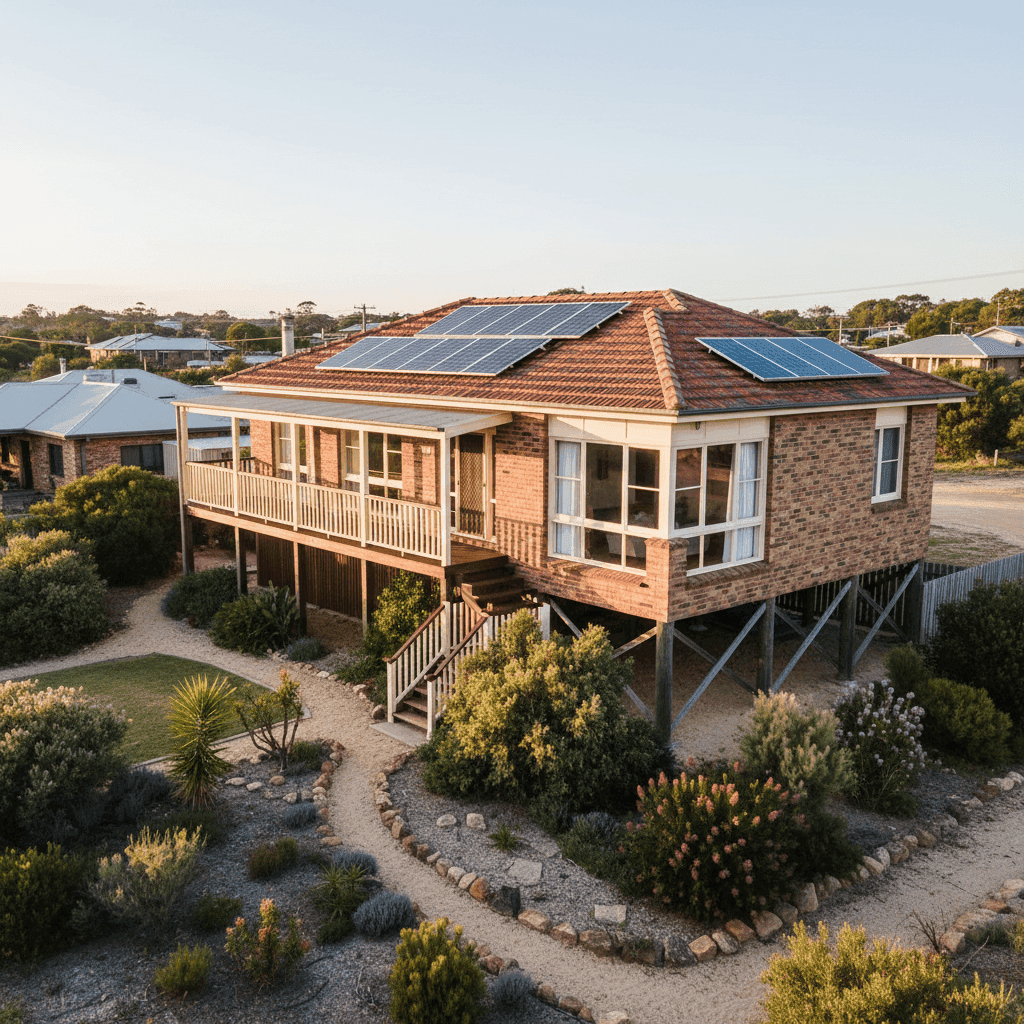
Gracetown is a small coastal community tucked into the rugged Margaret River region of Western Australia — beloved for its world-class surf breaks, towering karri forests, and relaxed lifestyle. But owning a free-standing home here comes with its own set of insurance considerations. If you've recently received a home and contents quote for a property in Gracetown, you might be wondering: is this a fair price, and what's actually driving it?
In this article, we break down a real quote for a 4-bedroom, 2-bathroom free-standing home in Gracetown (postcode 6284), compare it against state and national benchmarks, and share some practical tips to help you get the best value from your cover.
---
Is This Quote Fair?
The annual premium for this property came in at $1,149 per year (or roughly $111/month) for combined home and contents insurance, covering a building sum insured of $671,000 and $50,000 in contents. Our pricing engine rates this as CHEAP — below average for the area.
To put that in perspective: the average home insurance premium across Western Australia sits at $2,144 per year, with a state median of $1,944. Nationally, Australian homeowners are paying an average of $2,965 per year, with a median of $2,716. This quote comes in at roughly 46% below the WA average and 61% below the national average — a genuinely strong result.
For a property insured at $671,000 for the building alone, that works out to a rate of approximately 0.17 cents per dollar of building cover, which is well below what most homeowners pay. The $2,000 building excess and $1,000 contents excess are fairly standard and help keep the premium competitive without leaving the homeowner dangerously exposed in a claim scenario.
In short: this is a well-priced policy, and homeowners in a similar position should feel confident they're getting good value — though it's always worth comparing to make sure.
---
How Gracetown Compares
Pricing data at the suburb level for Gracetown is limited due to the small population, but we can draw meaningful comparisons using state and national figures. You can explore available local data on the Gracetown insurance stats page, or browse WA-wide insurance trends and national benchmarks.
One figure that stands out is the Augusta Margaret River LGA average premium of $23,285 per year — an extraordinarily high figure that almost certainly reflects a small number of very high-value or high-risk properties skewing the average (such as large rural holdings or properties with significant commercial exposure). This LGA-level figure is not a useful benchmark for a typical residential property in Gracetown and should be treated with caution.
What's more relevant is the WA state picture: premiums across the state have been rising steadily, driven by increased weather-related claims, reinsurance costs, and inflationary pressure on building materials. Against that backdrop, a sub-$1,200 premium for a well-built home with a $671,000 sum insured is genuinely competitive.
---
Property Features That Affect Your Premium
Several characteristics of this property work in the homeowner's favour from an insurance pricing perspective — and a couple are worth keeping an eye on.
Brick veneer construction with a tiled roof is generally viewed favourably by insurers. Brick veneer walls offer solid fire and impact resistance, while tiled roofs tend to be more durable than corrugated iron or Colorbond in certain conditions. Together, these materials typically attract lower premiums compared to timber-framed or lightweight cladding homes.
The elevated foundation (at least 1 metre above ground on stumps) is a notable feature. While elevation can provide some protection against surface-level flooding and moisture ingress — particularly in coastal or low-lying areas — it can also mean greater exposure to wind uplift. Insurers assess this on a case-by-case basis, but for a non-cyclone-rated area like Gracetown, the elevation is unlikely to significantly penalise the premium.
Timber and laminate flooring can be a consideration in claims — these materials are more susceptible to water damage than tiles, which may influence the assessment of contents or internal fixtures claims. It's worth checking whether your policy covers accidental water damage to flooring specifically.
Solar panels add value to the property and are worth confirming are covered under the building sum insured. Most policies include permanently fixed solar systems as part of the building, but it's worth verifying this with your insurer, particularly if the system has been upgraded or expanded.
No pool and no ducted climate control both reduce risk exposure and complexity, contributing to the lower premium outcome here.
The 1994 construction year means the home is around 30 years old. While it's not considered aged by insurance standards, it's worth ensuring that the building sum insured accurately reflects the current cost to rebuild — including modern compliance requirements, labour costs, and materials — rather than the original construction cost or current market value.
---
Tips for Homeowners in Gracetown
1. Review your building sum insured regularly Construction costs have risen sharply across Australia in recent years. A home built in 1994 and insured at $671,000 may or may not reflect the true cost to rebuild today. Use a building cost calculator or ask a quantity surveyor to verify your sum insured is adequate — being underinsured can be just as costly as overpaying on premiums.
2. Confirm solar panel coverage With solar panels installed, check your policy wording to confirm whether the system is covered under the building section, and to what value. Some policies cap solar coverage or exclude certain types of damage (e.g., storm damage to panels). If your system is valuable, it may be worth noting its replacement cost separately.
3. Protect your elevated timber flooring Given the stumped foundation and timber/laminate floors, water ingress from below or around the structure is a realistic risk in a coastal environment. Consider regular inspections of the subfloor space, guttering, and drainage to reduce the likelihood of moisture-related claims — which can affect your no-claims history and future premiums.
4. Compare quotes at renewal A below-average premium is great, but the insurance market shifts every year. Insurers adjust their risk models, and the best-value provider today may not be the best option at your next renewal. Compare home insurance quotes at CoverClub to ensure you're always on a competitive rate without sacrificing cover quality.
---
Get a Quote Tailored to Your Home
Whether you're reviewing an existing policy or shopping for cover for the first time, CoverClub makes it easy to compare home and contents insurance from a range of Australian insurers. Enter your address at coverclub.com.au to see personalised quotes based on your property's specific features — and find out whether your current cover is really as competitive as it could be.