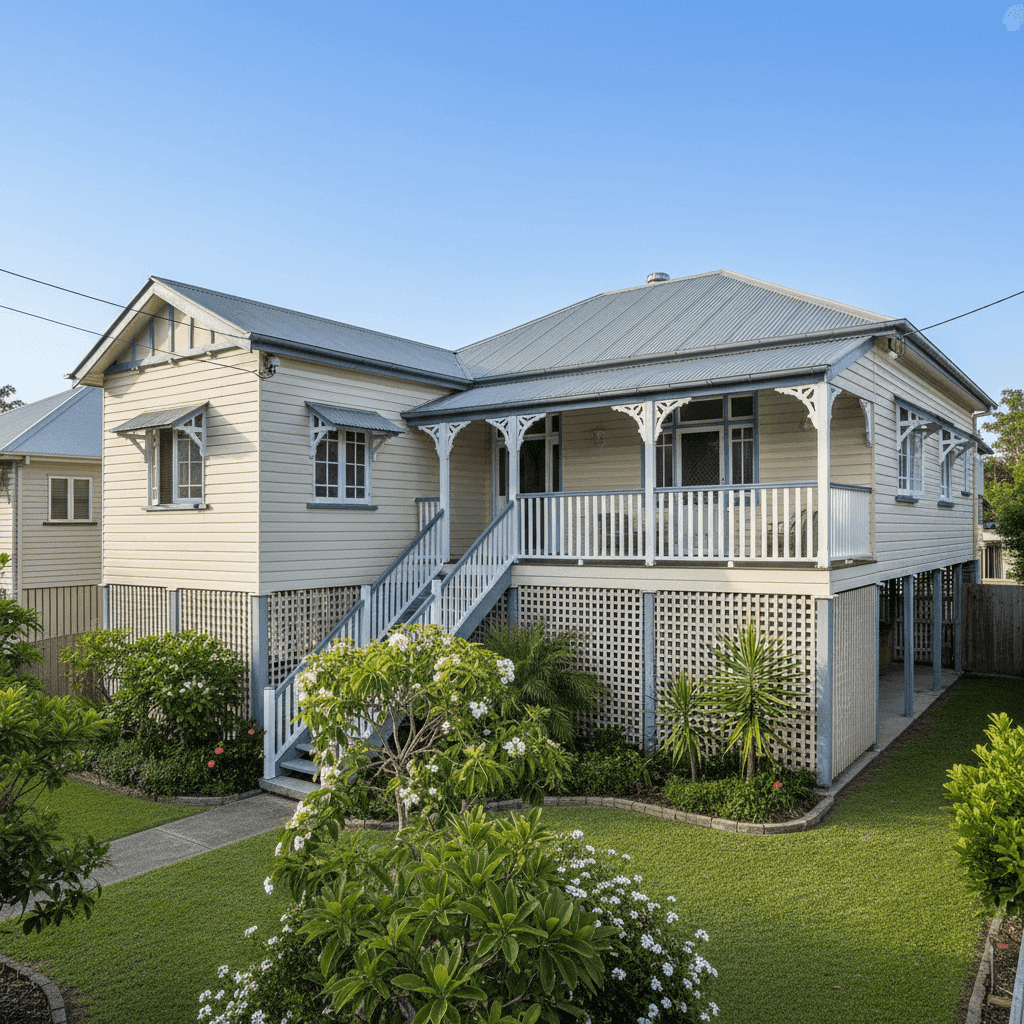
Graceville is one of Brisbane's most charming inner-western suburbs — a leafy, family-friendly pocket of Queensland known for its Federation and Queenslander-era homes sitting on generous blocks. If you own a free standing home here, you're likely sitting on a significant asset, and making sure it's properly protected is no small matter. This article breaks down a real home and contents insurance quote for a five-bedroom, three-bathroom property in Graceville (postcode 4075), examines whether the price stacks up, and offers practical guidance for homeowners looking to get the best value from their cover.
---
Is This Quote Fair?
The quote in question comes in at $9,869 per year (or $946/month) for combined home and contents insurance, covering a building sum insured of $1,409,000 and contents valued at $100,000, each with a $5,000 excess.
Our price rating for this quote is Expensive (Above Average) — and the data backs that up. At $9,869 per year, this premium sits above the suburb median of $4,449/yr and above the 75th percentile of $7,139/yr, meaning it's higher than roughly three-quarters of comparable quotes collected in Graceville. It also sits above the Queensland state average of $9,129/yr and well above the national average of $5,347/yr.
That said, context matters enormously here. The building sum insured of $1.409 million is substantial — this is a large, 334 sqm home with above-average fittings, and rebuilding a property of this calibre in today's construction environment is genuinely expensive. A higher sum insured will naturally push premiums upward, and it's important not to under-insure simply to reduce your annual bill. The $5,000 excess on both building and contents is on the higher side, which does reduce the premium somewhat — opting for a lower excess would push the cost higher still.
---
How Graceville Compares
To put this quote in perspective, here's how it sits against broader benchmarks:
| Benchmark | Premium |
|---|---|
| This Quote | $9,869/yr |
| Graceville Suburb Median | $4,449/yr |
| Graceville Suburb Average | $39,646/yr |
| Graceville 25th Percentile | $2,880/yr |
| Graceville 75th Percentile | $7,139/yr |
| QLD State Average | $9,129/yr |
| QLD State Median | $3,903/yr |
| National Average | $5,347/yr |
| National Median | $2,764/yr |
| Brisbane LGA Average | $16,277/yr |
(Based on 42 quotes collected for the Graceville area. [View full Graceville suburb stats](https://coverclub.com.au/stats/QLD/4075/graceville).)
A few things stand out in this data. First, the suburb average of $39,646/yr is dramatically higher than the median of $4,449/yr — a strong signal that a small number of very high-value properties (or high-risk quotes) are pulling the average upward significantly. The median is generally a more reliable indicator of what most Graceville homeowners are paying.
Second, this quote at $9,869/yr sits above the 75th percentile for the suburb, which means it's on the expensive end even for Graceville. However, given the property's size, age, construction type, and high sum insured, this isn't entirely surprising.
Compared to the Queensland state average of $9,129/yr, the quote is only marginally higher — and well within a reasonable range for a property of this specification. Against the national average of $5,347/yr, it looks steep, but Queensland homeowners consistently pay more than the national norm due to the state's elevated weather and flood risk profile.
---
Property Features That Affect Your Premium
Several characteristics of this property have a meaningful impact on what insurers charge:
Age of Construction (1922) This home was built over a century ago. Heritage and pre-war homes in Brisbane's inner west are beloved for their character, but from an insurer's perspective, older properties carry higher rebuild complexity and cost. Sourcing period-appropriate materials, engaging specialist tradespeople, and meeting modern building codes during a rebuild all add to the potential claim cost.
Weatherboard Timber Walls Timber weatherboard is the quintessential Queensland construction material, but it's considered higher risk than brick veneer or double brick. Weatherboard is more susceptible to fire spread, termite damage, and deterioration over time — factors that insurers price into their premiums.
Stump Foundation Homes on stumps (also called "high-set" or "Queenslander-style") are common in this part of Brisbane. While stumps allow for good airflow and can be beneficial in flood-prone areas, they also introduce specific risks around structural movement, stump rot, and sub-floor damage. Some insurers apply loadings for stump foundations.
Steel/Colorbond Roof On the positive side, a Colorbond roof is viewed favourably by most insurers. It's durable, low-maintenance, and performs well in storms — a significant advantage in Queensland's storm season.
Above-Average Fittings With above-average fittings across a 334 sqm home, the cost to replace kitchens, bathrooms, and fixtures to the same standard is considerable. This is appropriately reflected in the building sum insured and, by extension, the premium.
Ducted Climate Control The presence of ducted air conditioning adds to the contents and building value, and is a factor in the overall sum insured calculation.
---
Tips for Homeowners in Graceville
1. Review your sum insured regularly Construction costs have risen sharply in recent years. Make sure your building sum insured reflects current rebuild costs — not what you paid for the property or what it was worth when you last updated your policy. Under-insurance is a serious risk, particularly for large, older homes with bespoke features.
2. Shop around — and use a comparison tool Insurers price risk differently, and premiums for the same property can vary by thousands of dollars. With this quote sitting above the suburb's 75th percentile, it's well worth comparing alternatives. Get a quote at CoverClub to see what other insurers are offering for your specific property.
3. Consider your excess carefully This policy carries a $5,000 excess on both building and contents. While a higher excess reduces your premium, it also means a larger out-of-pocket cost at claim time. Think about what you could comfortably afford to pay in the event of a claim, and adjust accordingly.
4. Document your contents thoroughly With $100,000 in contents cover, it's worth creating a detailed home inventory — photos, receipts, and serial numbers for valuable items. This makes the claims process significantly smoother and helps ensure you're not left short-changed after a loss event.
---
Compare Your Home Insurance Today
Whether you're reviewing an existing policy or shopping for the first time, comparing quotes is the single most effective way to make sure you're not overpaying. CoverClub makes it easy to see how your premium stacks up and find competitive alternatives tailored to your property. Start comparing home insurance quotes now — it takes just a few minutes and could save you hundreds of dollars a year.