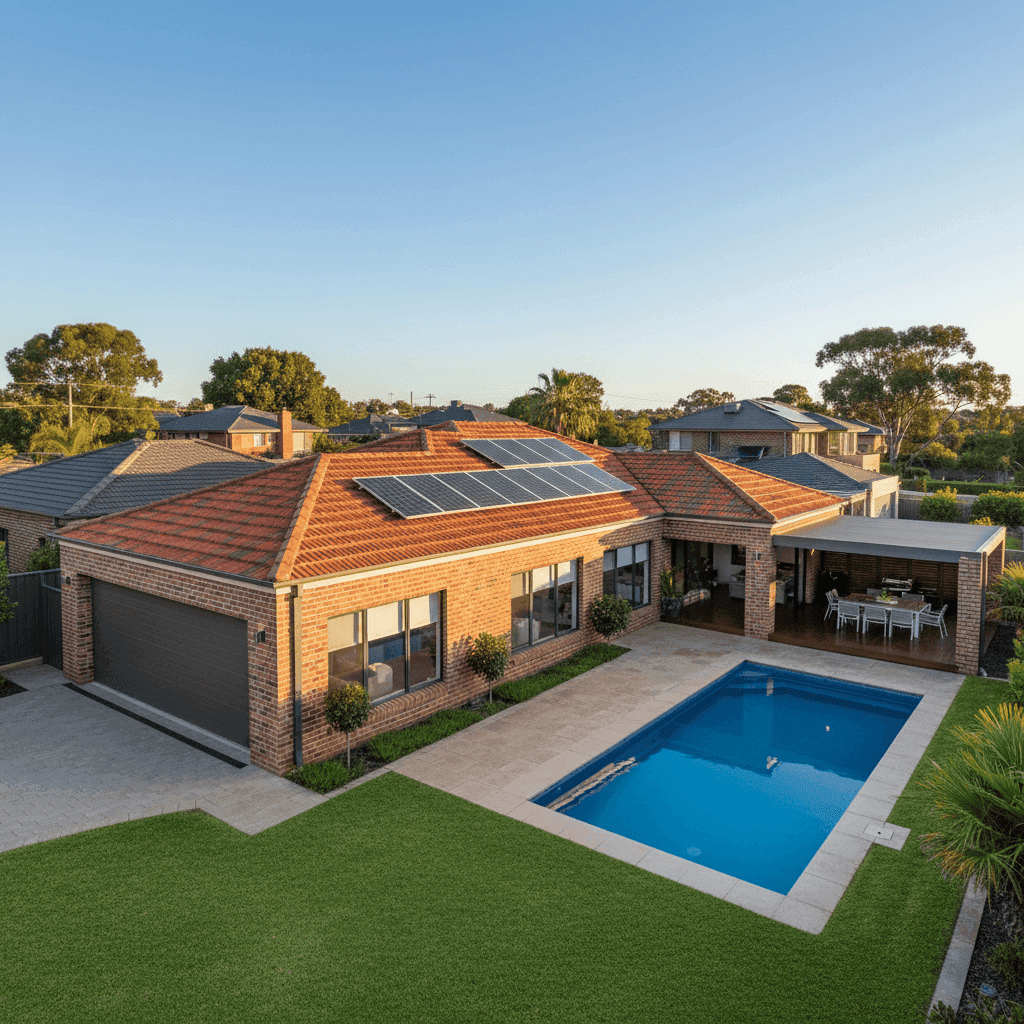
If you own a free standing home in Grange, SA 5022, you already know this beachside suburb has a lot going for it — leafy streets, proximity to the Gulf St Vincent, and a strong sense of community. But coastal living can come with a sting in the tail when it comes to home insurance premiums. This article breaks down a real home and contents insurance quote for a four-bedroom, double brick home in Grange, compares it against local, state, and national benchmarks, and offers practical tips to help you manage your costs.
---
Is This Quote Fair?
The annual premium on this quote comes in at $7,203 per year (or $690/month), covering a building sum insured of $648,000 and $120,000 worth of contents. Our price rating for this quote is Expensive — Above Average.
To put that in perspective:
- The SA state average premium is $2,433/yr, and the median sits at $1,679/yr
- The national average is $5,347/yr, with a national median of $2,764/yr
- The Charles Sturt LGA average (the local government area covering Grange) is just $1,695/yr
This quote sits well above every one of those benchmarks — nearly three times the SA state average and around 35% above the national average. That's a significant gap, and it warrants a closer look at what's driving the cost.
It's worth noting that a higher sum insured naturally pushes premiums upward. At $648,000 for the building alone, this is a substantial coverage amount — well above what many standard policies cover. The $120,000 contents figure also adds meaningful weight to the total. Even so, the premium level suggests there may be room to shop around.
---
How Grange Compares
Grange sits within the City of Charles Sturt, a coastal council area that stretches from Henley Beach up through Semaphore. According to available data, the Charles Sturt LGA average premium is $1,695/yr — actually slightly below the SA state average of $2,433/yr.
That makes this quote even more striking. While LGA-level averages reflect a broad mix of properties and cover types, a premium of $7,203 is more than four times the local LGA average.
You can explore detailed pricing trends for this postcode at the Grange SA 5022 insurance stats page, or compare against the broader South Australia insurance landscape and national benchmarks.
It's important to remember that averages don't tell the whole story. A 1975-built home with a pool, solar panels, ducted climate control, and a 214 sqm footprint is a more complex risk than a newer, smaller property — and insurers price accordingly. Still, the gap here is large enough that comparing multiple quotes is strongly advisable.
---
Property Features That Affect Your Premium
Several characteristics of this property are likely contributing to the higher-than-average premium:
Construction Era
Built in 1975, this home is now 50 years old. Older properties can attract higher premiums because ageing plumbing, wiring, and structural components carry a greater risk of failure or damage. Insurers often apply loadings to homes built before the 1980s, particularly where modern building codes weren't in force during construction.
Double Brick Walls and Tiled Roof
On the positive side, double brick construction is generally viewed favourably by insurers — it's durable, fire-resistant, and robust against wind damage. Similarly, a tiled roof tends to be rated more favourably than Colorbond or corrugated iron in many scenarios. These features may actually be moderating what could otherwise be an even higher premium.
Swimming Pool
A pool adds to both the replacement cost of the property and the liability exposure. Pools require fencing, maintenance, and specific safety compliance under South Australian law — all of which factor into how insurers assess risk.
Solar Panels
Solar panels increase the insured value of the home and can complicate claims if damaged by hail, storms, or fire. Many insurers now specifically assess solar systems as part of the building sum insured, which can push premiums higher — particularly for larger systems.
Ducted Climate Control
Ducted air conditioning is a significant fixed asset. Replacing or repairing a ducted system can cost tens of thousands of dollars, and its inclusion in the building sum insured contributes to the higher coverage amount — and therefore the higher premium.
Building Size
At 214 sqm, this is a generously sized home. Larger floor areas mean greater rebuild costs, which directly influences the sum insured and, in turn, the premium.
---
Tips for Homeowners in Grange
1. Review Your Sum Insured Carefully
The building is insured for $648,000. While it's critical to be adequately covered, over-insuring can inflate your premium unnecessarily. Consider obtaining an independent building replacement cost estimate to ensure your sum insured is accurate — not just a rough guess or a figure carried over from a previous policy year.
2. Shop Around — Seriously
With this quote sitting well above both state and national averages, comparing policies from multiple insurers is essential. Premiums for the same property can vary by thousands of dollars depending on the insurer's risk appetite and pricing model. Use CoverClub's free quote comparison tool to see what else is available for your property.
3. Ask About Discounts and Bundling
Many insurers offer discounts for bundling home and contents cover, paying annually instead of monthly, or installing approved security systems. Given that this policy already combines building and contents, check whether your insurer offers any loyalty or multi-policy discounts that haven't been applied.
4. Increase Your Excess Strategically
Both the building and contents excess on this policy sit at $1,000. Opting for a higher voluntary excess — say, $2,500 or $5,000 — can meaningfully reduce your annual premium. This strategy works best if you have sufficient savings to cover the higher excess in the event of a claim and you're not making frequent small claims.
---
Compare Your Options with CoverClub
Whether you're renewing your existing policy or shopping for the first time, CoverClub makes it easy to compare home and contents insurance quotes from a range of Australian insurers. Don't settle for a premium that's above the odds — get a quote today and find out what you could be paying for the same level of cover.