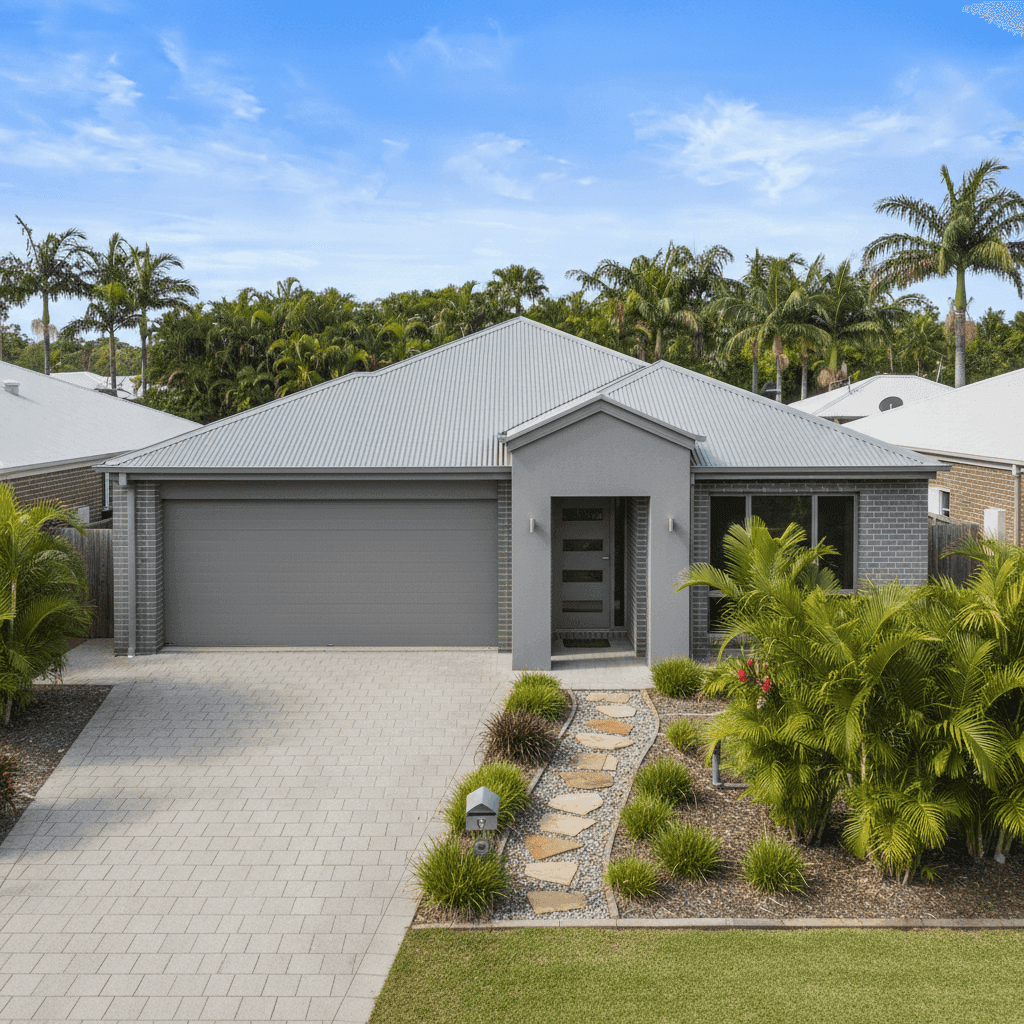
If you own a free standing home in Gray, NT 0830, you're probably curious about what your neighbours are paying for home insurance — and whether your own premium stacks up. This article breaks down a real home and contents insurance quote for a three-bedroom property in Gray, compares it against local, state, and national benchmarks, and offers practical advice for getting the best value on your cover.
---
Is This Quote Fair?
The quote in question comes to $3,207 per year (or about $313 per month) for a combined home and contents policy. It covers a building sum insured of $848,000 and contents valued at $50,000, with a $1,000 excess applying to both building and contents claims.
Our price rating for this quote is FAIR — Around Average, and the data backs that up. The suburb average for Gray sits at $3,104 per year, with a median of $3,130. At $3,207, this quote lands comfortably within the middle of the market — above the 25th percentile of $2,871 but well below the 75th percentile of $3,393. In practical terms, you're not getting a bargain, but you're certainly not being overcharged either.
It's worth noting that this assessment is based on a sample of 30 quotes from the Gray 0830 postcode, which gives a reasonable snapshot of what insurers are currently pricing in the area.
---
How Gray Compares
One of the most useful ways to contextualise any insurance premium is to zoom out and look at the broader picture. Here's how Gray stacks up:
| Benchmark | Average Premium |
|---|---|
| Gray (suburb average) | $3,104/yr |
| Gray (suburb median) | $3,130/yr |
| Litchfield LGA average | $3,734/yr |
| Northern Territory average | $3,709/yr |
| Northern Territory median | $3,580/yr |
| National average | $2,965/yr |
| National median | $2,716/yr |
A few things stand out here. First, Gray is actually more affordable than the broader NT average by a meaningful margin — roughly $500 to $600 per year cheaper than the state average and the Litchfield LGA average. That's a notable difference, and it likely reflects Gray's relatively urban positioning within the Darwin metropolitan area compared to more remote or exposed parts of the Territory.
Second, premiums in the NT — including Gray — are significantly higher than the national average. Compared to the national median of $2,716, Gray's median of $3,130 represents a premium of around 15% above what a typical Australian homeowner pays. This gap is largely driven by the elevated natural hazard risk profile of the Top End, particularly cyclone exposure.
For more localised data, you can explore Gray's suburb insurance stats, the NT state overview, or compare against national home insurance benchmarks.
---
Property Features That Affect Your Premium
Every home is different, and insurers price risk based on a wide range of property characteristics. Here's how the features of this particular home influence what you'd expect to pay:
Cyclone Risk Zone
This is the single biggest factor for any property in the Northern Territory. Gray falls within a designated cyclone risk area, which significantly elevates the cost of building insurance. Insurers price in the potential for wind damage, storm surge, and associated water ingress — all of which are genuine risks for Darwin-area homes. This cyclone loading is a key reason NT premiums run well above the national average.
Double Brick Construction
Double brick walls are generally viewed favourably by insurers. They offer strong resistance to wind and impact damage, and they perform well in fire scenarios. For a cyclone-prone region, this construction type can help moderate your premium compared to lighter-weight alternatives like weatherboard or fibrous cement.
Steel/Colorbond Roof
A Colorbond steel roof is a practical and popular choice in the Top End. It's durable, low-maintenance, and holds up well in tropical conditions. Insurers typically regard metal roofing as a lower-risk option compared to older tile or terracotta roofs, which can crack or dislodge under cyclonic wind loads.
Slab Foundation
A concrete slab foundation is standard for many Darwin-era homes and is considered a stable, low-risk foundation type. It doesn't carry the elevated risk associated with raised timber stumps, which can be more vulnerable to moisture and pest damage.
Age of Construction (1985)
At around 40 years old, this home is entering a period where wear and tear on plumbing, electrical systems, and structural elements becomes a more active consideration for insurers. Homes of this era can attract slightly higher premiums than newer builds, particularly if they haven't been significantly renovated.
Standard Fittings and Modest Contents Value
With standard-quality fittings and a contents sum of $50,000, this isn't a high-value fitout. That keeps the contents component of the premium relatively lean. Homes with premium appliances, custom cabinetry, or high-end electronics typically attract higher contents premiums.
---
Tips for Homeowners in Gray
Whether you're reviewing your current policy or shopping around for the first time, here are some practical steps to make sure you're getting the right cover at the right price.
1. Review your building sum insured regularly At $848,000, the building sum insured on this quote is substantial — and rightly so, given the cost of rebuilding in the Northern Territory. Construction costs in Darwin are higher than in most other Australian cities due to logistics, labour, and the need for cyclone-rated materials. Make sure your sum insured reflects current rebuild costs, not just the market value of your home. Underinsurance is a real risk.
2. Ask about cyclone-specific excess structures Many insurers apply a separate, higher excess for cyclone-related claims. This is common in the NT and can catch policyholders off guard at claim time. Before committing to a policy, ask specifically about the cyclone excess and factor it into your comparison.
3. Consider your excess strategically Both the building and contents excess on this quote sit at $1,000. Opting for a higher excess — say $2,000 or $2,500 — can reduce your annual premium. If you have a solid emergency fund and are primarily insuring against major events rather than smaller claims, a higher excess can be a smart trade-off.
4. Don't skip the annual comparison Insurance loyalty rarely pays. Premiums can shift significantly from year to year, and the insurer who offered the best deal last year may not be the most competitive this year. Given that Gray premiums sit well below the broader NT and Litchfield LGA averages, there's clearly variation in how insurers price this suburb — which means shopping around is worth your time.
---
Compare Home Insurance Quotes in Gray
Whether this quote matches your situation or not, the best way to know if you're getting a fair deal is to compare. At CoverClub, we make it easy to see how different insurers price your specific property — so you can make a genuinely informed decision rather than just renewing on autopilot.