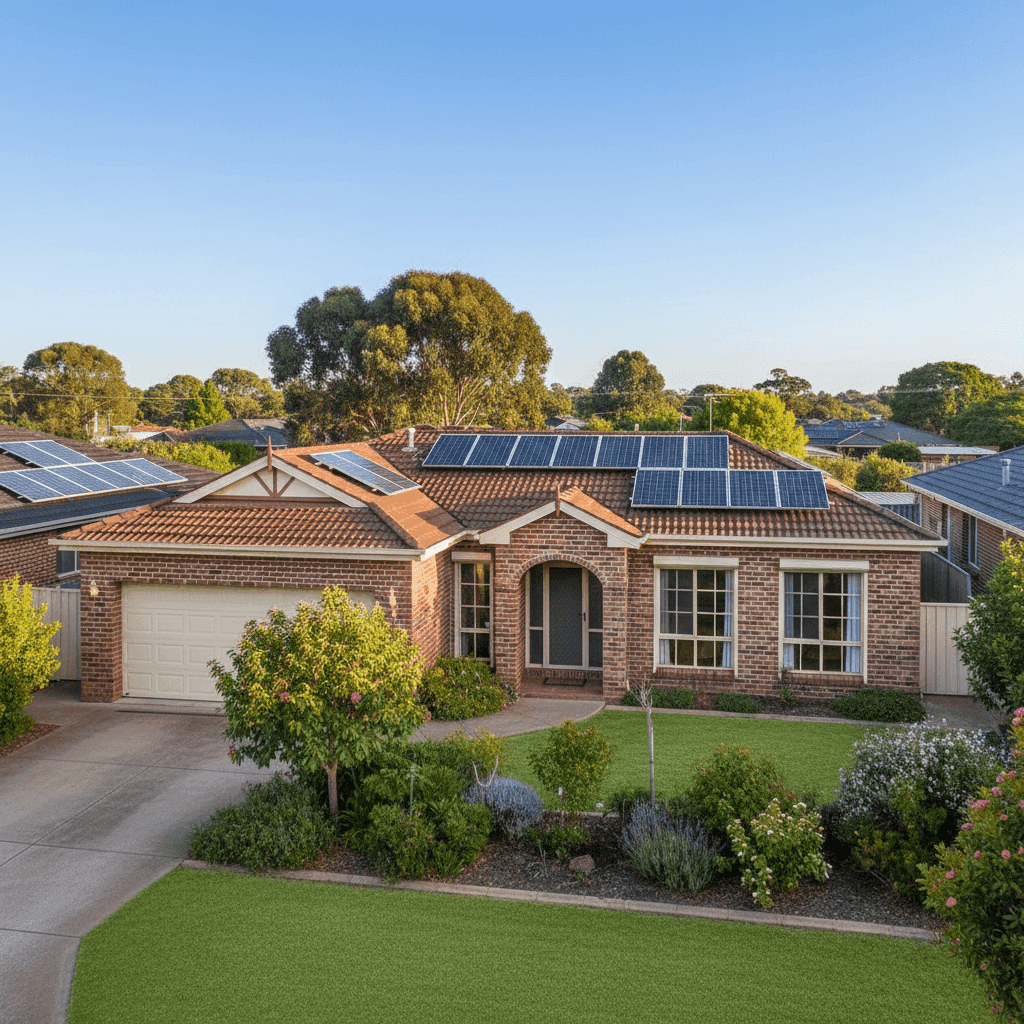
If you own a free standing home in Great Marlow, NSW 2460, you've likely noticed that insurance costs can feel like a moving target. This article breaks down a real home and contents insurance quote for a four-bedroom, two-bathroom property in the area — and puts the numbers into context so you can make a more informed decision about your cover.
---
Is This Quote Fair?
The annual premium for this property came in at $14,029 per year (or $1,344/month), covering both building (sum insured: $660,000) and contents ($50,000), each with a $1,000 excess.
Our price rating for this quote is EXPENSIVE — Above Average.
To understand why, it helps to zoom out. According to NSW home insurance data on CoverClub, the average annual premium across the state sits at $9,528, with a median of $3,770. Nationally, the average is $5,347 and the median is $2,764. This quote exceeds both the NSW and national averages by a significant margin — sitting roughly 47% above the NSW average and more than 2.6 times the national average.
That said, "expensive" doesn't automatically mean "wrong." Premium pricing reflects a combination of location-specific risk, property characteristics, and the level of cover selected. A $660,000 building sum insured is substantial, and when you factor in the contents cover on top, the overall insured value is considerable. Still, it's worth exploring whether there are ways to bring this cost down without compromising your protection.
---
How Great Marlow Compares
Suburb-level data for Great Marlow (2460) is limited, which can make direct comparisons tricky. However, one figure stands out: the LGA average for Richmond Valley — the local government area that encompasses Great Marlow — is $41,437 per year. That's an extraordinarily high figure, and it reflects the elevated flood and weather-related risk that affects many properties across the Richmond Valley region.
Viewed against that LGA benchmark, this quote of $14,029 actually looks relatively contained. Richmond Valley is one of the higher-risk LGAs in NSW for home insurance, largely due to its exposure to flooding, heavy rainfall events, and storm activity. The Clarence River catchment and surrounding lowlands have a documented history of flood events, and insurers price this risk into their premiums accordingly.
For a broader picture of how Great Marlow stacks up, visit the Great Marlow suburb stats page on CoverClub.
| Benchmark | Annual Premium |
|---|---|
| This Quote | $14,029 |
| NSW Average | $9,528 |
| NSW Median | $3,770 |
| National Average | $5,347 |
| National Median | $2,764 |
| Richmond Valley LGA Average | $41,437 |
---
Property Features That Affect Your Premium
Several characteristics of this property influence how insurers assess risk and calculate premiums. Here's what's relevant:
Brick Veneer Walls & Tiled Roof Brick veneer construction with a tiled roof is generally viewed favourably by insurers. These materials offer solid resistance to fire and moderate resilience in storm conditions. Compared to timber-framed or fibro homes, brick veneer properties typically attract more competitive premiums — all else being equal.
Slab Foundation A concrete slab foundation is a neutral-to-positive factor for insurers. Slabs can be vulnerable to movement in certain soil types, but in general they're considered a stable, low-maintenance foundation type.
Tile Flooring Tiles throughout the property are a practical, durable choice. From an insurance perspective, hard flooring is generally less susceptible to water damage than carpet, which can be a minor positive in flood-prone regions.
Solar Panels This property has solar panels installed. While solar adds value to a home, it also adds complexity to insurance assessments. Panels represent an additional asset that may need to be factored into the building sum insured — and some insurers treat rooftop solar as a separate consideration. It's worth confirming with your insurer that your solar system is adequately covered under your building policy.
Building Size & Age At 214 sqm, this is a reasonably sized family home. Built in 2000, it falls into a mid-age category — old enough that some wear may be expected, but modern enough to meet contemporary building standards. The $660,000 sum insured reflects the cost to fully rebuild the property, which is the appropriate measure for building cover (not market value).
Standard Fittings Standard-quality fittings mean this property doesn't carry the premium loading that can come with high-end or custom finishes. This is a modest positive from a pricing perspective.
---
Tips for Homeowners in Great Marlow
1. Review Your Building Sum Insured Carefully A $660,000 sum insured is a significant figure. Make sure it reflects the actual cost to rebuild — not the market value of your home. Underinsurance is a common problem in Australia; if your rebuild cost has risen due to construction inflation, your cover may need updating. Conversely, if the sum is set too high, you may be paying more than necessary.
2. Understand Your Flood Cover Given that Great Marlow sits within the Richmond Valley LGA — one of NSW's higher flood-risk regions — it's essential to confirm whether your policy includes flood cover, and what definition of "flood" your insurer uses. Some policies distinguish between riverine flooding and storm surge or rainwater runoff. Read the Product Disclosure Statement (PDS) carefully.
3. Shop Around and Compare Quotes The gap between this quote and both the NSW and national medians is significant. Premium pricing varies considerably between insurers, even for identical properties. Using a comparison platform like CoverClub to obtain multiple quotes side-by-side is one of the simplest ways to ensure you're not overpaying.
4. Consider Your Excess Level Both the building and contents excess on this policy are set at $1,000. Opting for a higher voluntary excess can reduce your annual premium — sometimes meaningfully. If you have a solid emergency fund and are unlikely to make small claims, increasing your excess to $2,000 or more could be a cost-effective strategy.
---
Ready to See What You Could Be Paying?
Insurance premiums in areas like Great Marlow can vary dramatically between providers. The best way to know whether you're getting a fair deal is to compare. Head to CoverClub to get a home and contents insurance quote tailored to your property — and see how your current premium stacks up against the market in seconds.