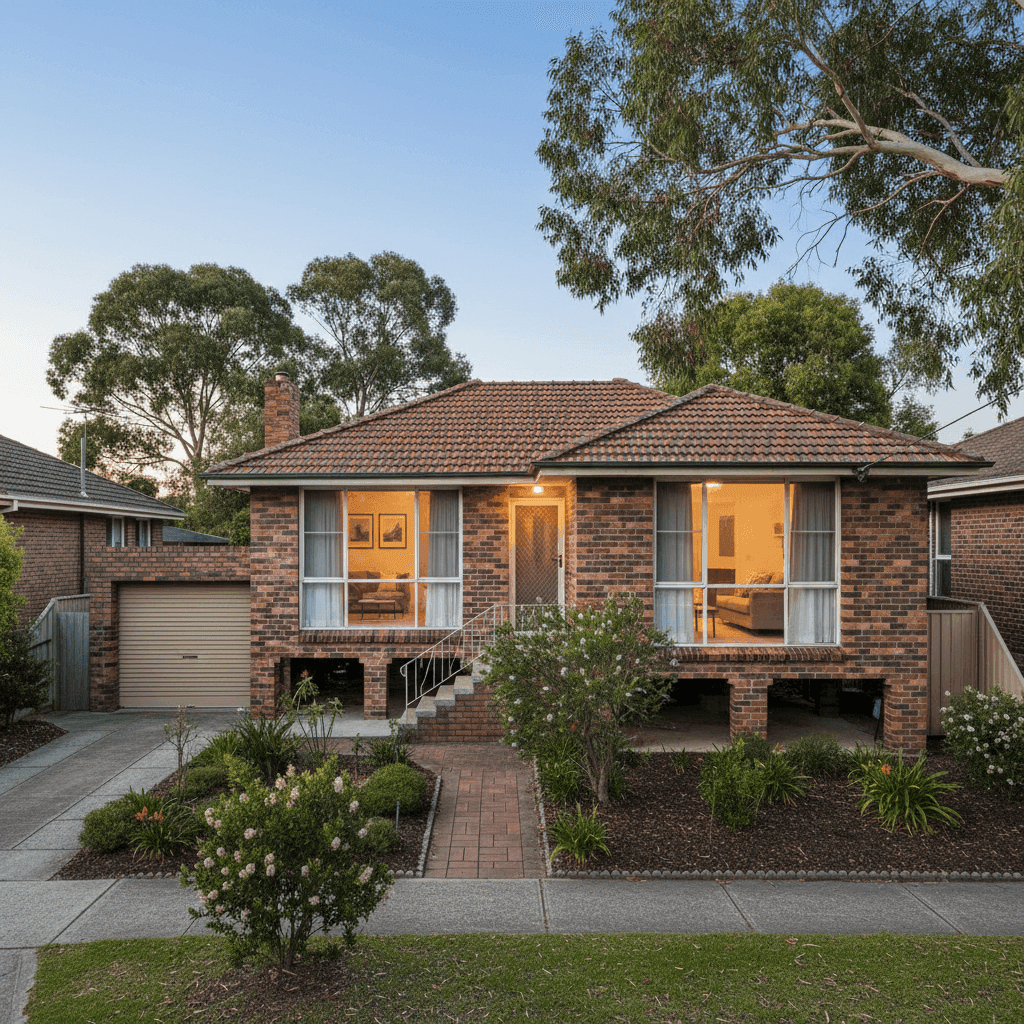
Green Point is a quiet, leafy suburb on the NSW Central Coast, sitting within the 2251 postcode and forming part of the Central Coast Council local government area. It's a popular spot for families drawn to its bushland surrounds, proximity to Brisbane Water, and relatively easy access to Sydney. For homeowners in the area, understanding what drives home insurance costs — and whether a quote is genuinely competitive — is an important part of protecting what is likely your most significant asset.
This article breaks down a real home and contents insurance quote for a four-bedroom, two-bathroom free-standing home in Green Point, compares it against local, state, and national benchmarks, and offers practical guidance for getting the most value from your cover.
---
Is This Quote Fair?
The quote in question comes in at $4,947 per year (or $507/month) for combined home and contents insurance, with a building sum insured of $1,129,000 and contents valued at $50,000. The building excess is set at $3,000, with a separate $1,000 excess applying to contents claims.
Our pricing engine has rated this quote as FAIR — Around Average, which is a reasonable outcome given the property's characteristics and location.
To put that in context: the suburb average premium for Green Point sits at $3,928/year, with a median of $3,472/year (based on 27 quotes in our dataset). This quote lands above both of those figures, which might initially raise an eyebrow. However, it's worth noting that the 75th percentile for the suburb is $5,192/year — meaning roughly a quarter of comparable Green Point properties are quoted even higher. At $4,947, this quote falls comfortably within that upper band without breaching it, which is consistent with a "Fair" rating rather than an "Expensive" one.
The higher-than-median figure is likely explained by the elevated building sum insured of $1,129,000, which reflects the true rebuild cost of a 235 sqm home with quality finishes — not the market value of the land. A higher sum insured naturally lifts the premium, so direct comparisons with lower-insured properties in the suburb need to be interpreted carefully.
---
How Green Point Compares
One of the most useful ways to assess a quote is to zoom out and look at the broader picture. Here's how Green Point stacks up:
| Benchmark | Annual Premium |
|---|---|
| This Quote | $4,947 |
| Green Point Suburb Average | $3,928 |
| Green Point Suburb Median | $3,472 |
| NSW State Average | $9,528 |
| NSW State Median | $3,770 |
| Central Coast LGA Average | $8,387 |
| National Average | $5,347 |
| National Median | $2,764 |
A few things stand out here. The NSW state average of $9,528/year is strikingly high — driven largely by expensive inner-city and flood-prone properties skewing the mean. The state median of $3,770 is far more representative of what most NSW homeowners actually pay, and Green Point sits close to that figure.
Compared to the national average of $5,347/year, this quote is actually slightly below — a meaningful finding that suggests Green Point homeowners are not facing the kind of premium pressure seen in many other parts of Australia. The Central Coast LGA average of $8,387 is also notably elevated, likely reflecting a mix of coastal and flood-risk properties across the broader region, which makes Green Point's comparatively modest premiums even more encouraging.
You can explore more suburb-level data on the Green Point insurance stats page, or compare across the state on the NSW insurance stats page. For a broader view, the national insurance stats page offers useful context across all Australian states and territories.
---
Property Features That Affect Your Premium
Every home is different, and insurers price risk based on a detailed assessment of construction materials, location, and features. Here's how the specific characteristics of this property influence its premium:
Brick Veneer Walls Brick veneer is one of the most common external wall types in Australian suburban homes, and insurers generally view it favourably. It offers good fire resistance and structural durability, which can contribute to more competitive pricing compared to weatherboard or fibre cement alternatives.
Tiled Roof A tiled roof is considered a lower-risk roofing material than colorbond or corrugated iron in some risk models, particularly in areas without significant hail exposure. Tiles are durable and long-lasting, which typically supports stable premium pricing.
Stump Foundation (Elevated Less Than 1m) The property sits on stumps and is elevated by less than one metre. This style of construction — common in older and semi-rural NSW homes — can influence premiums in a few ways. Slight elevation can actually reduce flood risk exposure, but the underfloor space does require consideration in the event of storm or water damage.
Timber and Laminate Flooring Timber and laminate floors are more susceptible to water damage than tiles, which can marginally influence contents and building claim costs. Insurers factor in material vulnerability when assessing overall risk.
Ducted Climate Control The presence of ducted climate control is a notable inclusion. This system adds meaningful value to the building and is generally covered under the building sum insured. It's an important reason to ensure your building sum insured accurately reflects full replacement costs — including fixed systems like this.
No Pool, No Solar Panels The absence of a pool removes a common liability risk factor, and the lack of solar panels simplifies the insurable assets. Both of these can contribute to a cleaner, more straightforward risk profile.
Construction Year: 1999 A home built in 1999 sits in a comfortable middle ground — modern enough to meet contemporary building standards, but established enough that some components (roof tiles, stumps, flooring) may be approaching the age where maintenance becomes increasingly important.
---
Tips for Homeowners in Green Point
1. Review your building sum insured annually Construction costs have risen sharply across Australia in recent years. A sum insured that was accurate two years ago may now fall short of the true rebuild cost. Use a building cost calculator or speak with a quantity surveyor to ensure your $1,129,000 figure remains adequate — underinsurance is one of the most common and costly mistakes homeowners make.
2. Consider increasing your excess to reduce your premium This quote carries a $3,000 building excess. If you have the financial capacity to absorb a higher out-of-pocket cost in the event of a claim, opting for a higher excess can meaningfully reduce your annual premium. Just make sure the trade-off makes sense for your situation.
3. Inspect and maintain your stump foundation Homes on stumps require periodic inspection to ensure the foundation remains sound, particularly after wet seasons. Insurers may not cover damage that results from poor maintenance, so staying on top of timber stump condition (or considering restumping if needed) protects both your home and your ability to claim.
4. Compare quotes at renewal time Even a "Fair" rated quote can often be improved upon. Insurers regularly adjust their pricing models, and the market is competitive. Shopping around at renewal — rather than simply accepting the rollover premium — is one of the most effective ways to manage your insurance costs over time.
---
Ready to Compare?
Whether you're reviewing your current policy or shopping for cover for the first time, CoverClub makes it easy to see how your quote stacks up. Get a home insurance quote today and compare your options with real data from properties just like yours across Green Point and beyond.