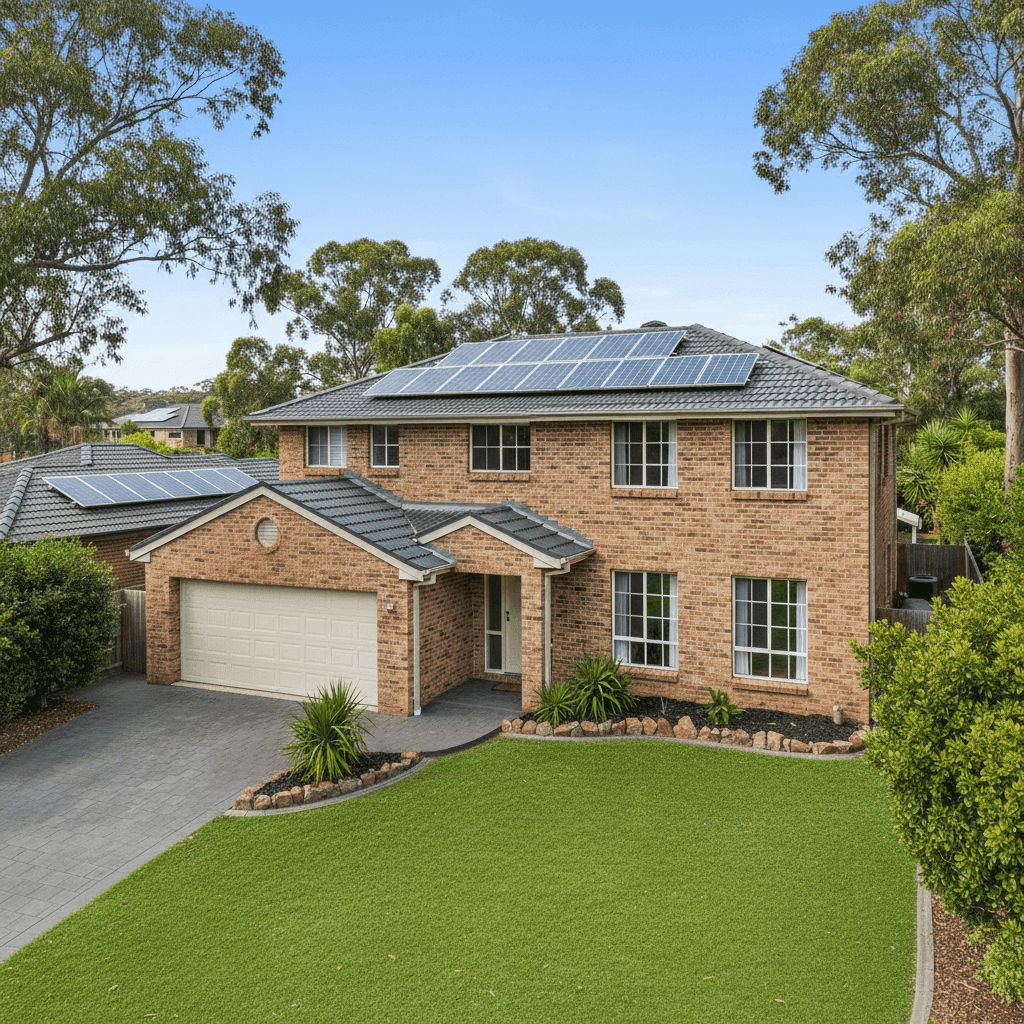
Green Point is a well-established residential suburb on the Central Coast of New South Wales, known for its leafy streets, proximity to Brisbane Water, and a strong mix of family homes. If you own a free standing home here, you're likely paying close attention to the cost of protecting it — and for good reason. Home and contents insurance for a property of this size and specification is a meaningful household expense, and understanding whether you're getting a fair deal takes more than a quick glance at the premium.
This article breaks down a recent home and contents insurance quote for a 5-bedroom, 2-bathroom free standing home in Green Point (postcode 2251), comparing it against local, state, and national benchmarks to help you make a more informed decision.
---
Is This Quote Fair?
The annual premium in question comes in at $3,423 per year (or approximately $345 per month), covering a building sum insured of $800,000 and contents valued at $199,999. The building excess is set at $2,500, with a lower contents excess of $500.
Our pricing engine has rated this quote as Fair — Around Average, which is a reasonable outcome for a property of this profile. It sits comfortably below the suburb average of $3,928/yr and just under the suburb median of $3,472/yr, meaning the majority of comparable Green Point properties are being quoted at similar or higher rates.
In practical terms, "fair" doesn't mean you couldn't do better — it means the quote is broadly in line with what the market is pricing for similar risks in the area. There's no obvious red flag suggesting you're being overcharged, but there's also room to shop around, particularly if your circumstances have changed recently.
---
How Green Point Compares
To put this quote in proper context, it helps to look at the broader pricing landscape. You can explore the full data on the Green Point insurance stats page, but here's a snapshot based on 27 quotes collected for this suburb:
| Benchmark | Premium |
|---|---|
| This Quote | $3,423/yr |
| Suburb Average | $3,928/yr |
| Suburb Median | $3,472/yr |
| Suburb 25th Percentile | $2,369/yr |
| Suburb 75th Percentile | $5,192/yr |
| NSW State Median | $3,770/yr |
| NSW State Average | $9,528/yr |
| National Median | $2,764/yr |
| National Average | $5,347/yr |
| Central Coast LGA Average | $8,387/yr |
A few things stand out here. First, the gap between the NSW state average ($9,528/yr) and the state median ($3,770/yr) is substantial — a sign that high-value or high-risk properties in NSW are pulling the average up significantly. This quote sits well below both figures, which is a positive sign. You can explore NSW home insurance statistics in more detail to understand what's driving those numbers.
Second, while the national median of $2,764/yr is lower than this quote, that figure reflects a wide range of property types and risk profiles across Australia — including lower-value homes in regional areas and states with different risk profiles. A 5-bedroom home with above-average fittings and an $800,000 building sum insured sitting near the national median would actually be quite competitive.
The Central Coast LGA average of $8,387/yr is notably high, likely influenced by coastal and flood-prone properties across the broader region. Green Point's own suburb figures are considerably more moderate, which suggests the local risk profile is relatively benign compared to some neighbouring areas.
---
Property Features That Affect Your Premium
Several characteristics of this property will be influencing the quote, both positively and negatively.
Brick veneer construction is generally viewed favourably by insurers. It offers solid fire resistance and structural durability compared to timber-framed weatherboard homes, which can translate to lower building premiums.
Concrete tile roofing is another tick in the right column. Concrete tiles are robust, long-lasting, and less susceptible to storm and hail damage than corrugated iron or older terracotta, which can reduce claims risk in the eyes of underwriters.
Slab foundation is standard for homes of this era and is generally neutral in terms of risk assessment, though it can be a factor in areas with reactive soils. In Green Point, this is unlikely to be a major concern.
Timber and laminate flooring can be a modest risk factor for contents and building claims — water damage and warping are more likely with these materials than with tiles — but the impact on premium is usually minor.
Solar panels are worth noting. While they add value to the property, they also introduce a specific risk: damage from storms, hail, or installation faults. Many insurers now include solar panels under building cover, but it's worth confirming this is the case with your policy and that the panels are adequately reflected in your building sum insured.
Above-average fittings quality is a key driver of both the building sum insured and the premium. Homes with higher-quality fixtures, appliances, and finishes cost more to repair or rebuild to the same standard, which is appropriately reflected in a higher sum insured and, consequently, a higher premium.
The property was built in 1991, placing it in a generation of homes that are generally well-understood by insurers — old enough to have settled, but not so old as to carry the risks associated with pre-1970s construction (such as asbestos or outdated wiring).
---
Tips for Homeowners in Green Point
1. Review your building sum insured regularly. With construction costs rising across NSW, the cost to rebuild a 5-bedroom home with above-average fittings can increase significantly year on year. Make sure your $800,000 sum insured still reflects current rebuild costs — not the value you set several years ago. Underinsurance is one of the most common and costly mistakes homeowners make.
2. Check your solar panel coverage. Confirm with your insurer that your solar panels are explicitly covered under your building policy, and that the coverage extends to storm damage, panel failure, and any liability associated with the system. Some policies treat solar panels as a separate item or impose sub-limits.
3. Consider your excess structure carefully. This quote carries a notably higher building excess ($2,500) compared to the contents excess ($500). A higher excess generally reduces your premium, but make sure you're comfortable covering that amount out of pocket in the event of a building claim. If cash flow is a concern, it may be worth comparing quotes with a lower building excess to understand the premium difference.
4. Shop around at renewal time. Even a "fair" quote isn't necessarily the best available. Insurance pricing can shift significantly between providers for the same property. Using a comparison tool like CoverClub at renewal time takes only a few minutes and could reveal meaningfully cheaper options without sacrificing cover quality.
---
Compare Your Options with CoverClub
Whether you're reviewing an existing policy or shopping for the first time, CoverClub makes it easy to see how your home insurance quote stacks up. With real pricing data from across Australia and suburb-level benchmarks, you can compare with confidence. Get a quote today and find out if you're getting the best deal for your Green Point home.