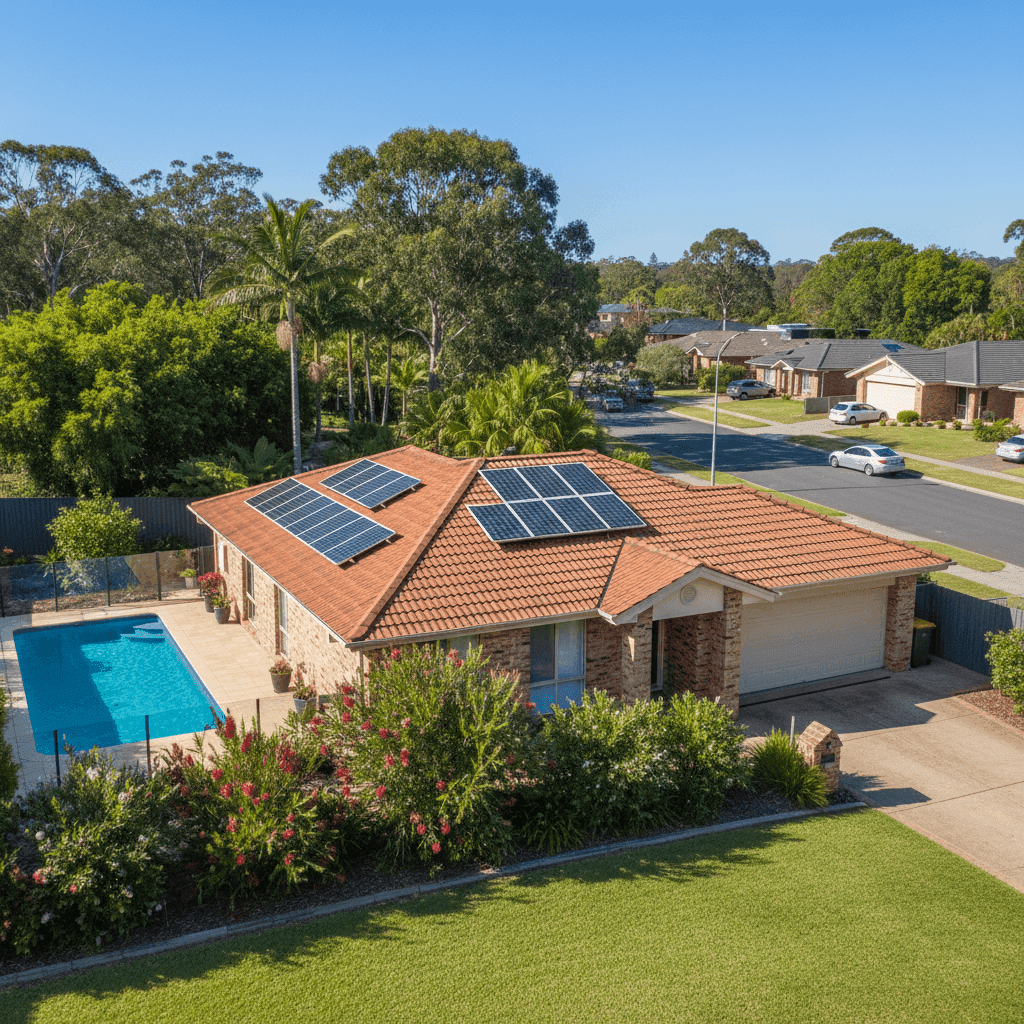
Green Point is a quiet, leafy suburb on the Central Coast of New South Wales, sitting within the 2251 postcode and popular with families who appreciate its proximity to both bushland and the water. For owners of a free standing home in this area, understanding what drives your home insurance premium — and whether your quote stacks up — is an important part of protecting one of your biggest assets.
This article breaks down a real home and contents insurance quote for a 3-bedroom, 2-bathroom free standing home in Green Point, comparing it against local, state, and national benchmarks to help you make a more informed decision.
---
Is This Quote Fair?
The annual premium for this property came in at $2,799 per year (or $278 per month), covering both building (sum insured: $630,000) and contents ($200,000). Our analysis rates this quote as Expensive — Above Average.
To put that in context:
- The suburb average for Green Point (postcode 2251) is just $1,570/yr, with a median of $1,336/yr
- The 75th percentile in the suburb sits at $1,968/yr — meaning this quote is priced above roughly three-quarters of comparable policies in the area
- Against NSW state benchmarks, the quote actually looks more reasonable — the state average is $3,801/yr and the median is $3,410/yr
- Compared to the national average of $2,965/yr and a national median of $2,716/yr, this quote is sitting slightly below average at the broader level
So the picture is nuanced. While this quote is on the higher end locally, it's broadly in line with — or even below — what NSW and Australian homeowners are paying on average. The elevated local comparison may partly reflect that Green Point's suburb sample is relatively small (6 quotes), which can skew averages. That said, it's still worth exploring whether there's room to reduce the premium without sacrificing cover.
---
How Green Point Compares
Understanding where your suburb sits relative to broader markets is a useful starting point for any insurance review.
| Benchmark | Average Premium | Median Premium |
|---|---|---|
| Green Point (2251) | $1,570/yr | $1,336/yr |
| Central Coast LGA | $4,203/yr | — |
| NSW State | $3,801/yr | $3,410/yr |
| National | $2,965/yr | $2,716/yr |
Interestingly, the Central Coast LGA average of $4,203/yr is notably higher than both the state and national figures — suggesting that insurers may be pricing in elevated risk factors across the broader region, such as bushfire exposure, storm activity, or ageing housing stock. You can explore more localised data on the Green Point suburb stats page, or compare across all of NSW and nationally.
---
Property Features That Affect Your Premium
Several characteristics of this property are likely influencing the premium, both positively and negatively.
Age and Construction (Built 1979)
At over 45 years old, this home falls into a category that insurers view with some caution. Older properties can carry higher risks of electrical faults, plumbing issues, and structural wear — all of which increase the likelihood of a claim. Brick veneer construction is generally well-regarded for its durability and fire resistance, which may temper some of that concern, but the age factor remains relevant.
Roof and Foundation
A tiled roof is a solid, mainstream choice that most insurers are comfortable with — it performs well in moderate weather and is straightforward to repair or replace. However, the stump foundation is worth noting. Homes on stumps can be more vulnerable to subsidence, movement, and underfloor moisture issues, which some insurers factor into their risk assessment.
Flooring
Timber and laminate flooring throughout adds to the contents and building replacement cost, particularly given current material and labour prices in NSW. This is reflected in the $630,000 building sum insured, which is a reasonable figure for a 235 sqm home in this region.
Pool, Solar Panels, and Ducted Climate Control
This property has three features that meaningfully affect the insured value and risk profile:
- Swimming pool: Adds liability exposure and increases the replacement cost of the property
- Solar panels: Roof-mounted panels increase the building sum insured and can complicate roof-related claims
- Ducted climate control: A significant fixed asset that adds to the building replacement value
Together, these features justify a higher sum insured and contribute to a premium that's above the local median for simpler properties.
Excess Structure
The building excess of $3,000 is on the higher side, while the contents excess of $1,000 is more standard. A higher excess typically reduces the premium — so if you're wondering why the premium isn't lower given that $3,000 building excess, it's likely offset by the property's other risk characteristics.
---
Tips for Homeowners in Green Point
1. Review Your Sum Insured Regularly
With construction costs rising sharply across NSW, it's easy to find yourself underinsured if you haven't revisited your building sum insured recently. A 235 sqm home with quality fittings, a pool, and solar panels could cost significantly more than $630,000 to rebuild — make sure your figure reflects today's costs, not what you paid five years ago.
2. Compare Quotes Before Renewing
Insurers adjust their pricing models frequently, and loyalty doesn't always pay. Given this quote is rated above average for the suburb, it's well worth running a comparison at CoverClub before your renewal date to see what competing insurers are offering for the same level of cover.
3. Ask About Bundling Discounts
Many insurers offer discounts when you hold both home and contents cover under the same policy — which this quote already does. However, if you also hold car insurance or another product with a different provider, consolidating policies could unlock further savings.
4. Maintain Your Property Proactively
For an older home on stumps, regular maintenance can make a real difference — both in preventing claims and in demonstrating to insurers that the property is well cared for. Keeping gutters clear, maintaining the roof tiles, and monitoring for signs of stump movement or subsidence can all reduce your risk profile over time.
---
Ready to Find a Better Deal?
Whether this quote is the right one for your situation depends on your individual circumstances — but it's always worth knowing your options. At CoverClub, we make it easy to compare home and contents insurance quotes from a range of Australian insurers, so you can see exactly where your premium sits and whether you could be paying less for the same protection.
Get a home insurance quote today and see how your property compares.