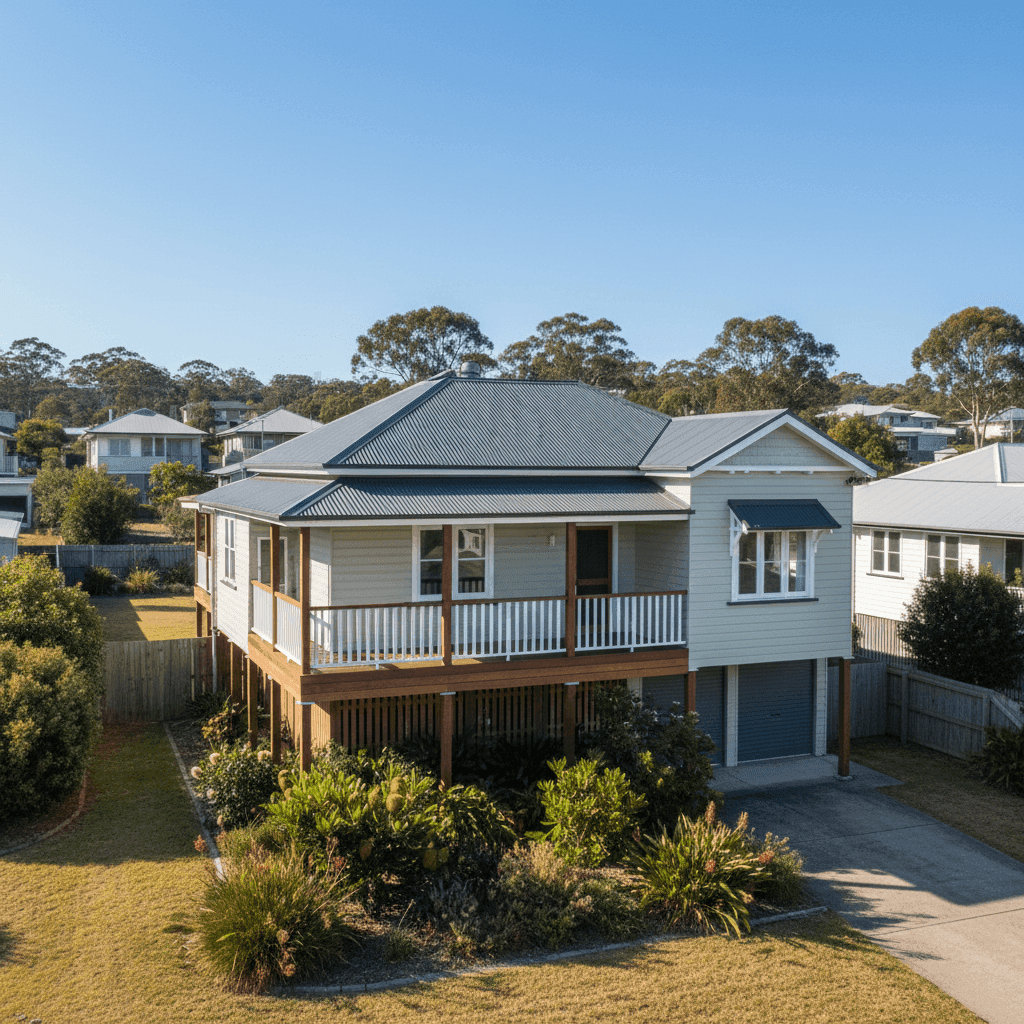
If you own a free standing home in Green Point, NSW 2251, you've probably noticed that home insurance quotes can vary dramatically — and not always in your favour. This article takes a close look at a real home and contents insurance quote for a three-bedroom, two-bathroom weatherboard home in Green Point, breaking down what's driving the cost and how it stacks up against local, state, and national benchmarks.
---
Is This Quote Fair?
The annual premium for this property comes in at $4,853 per year (or $484/month), covering a building sum insured of $1,005,000 and contents valued at $120,000. The building excess is $3,000 and the contents excess is $1,000.
Based on CoverClub's pricing data, this quote is rated Expensive — above average for the area. That's a meaningful flag worth unpacking.
To put it in perspective, the suburb average premium for Green Point sits at just $1,570 per year, with a median of $1,336. This quote is more than three times the local suburb average — a significant gap that warrants a closer look at what's pushing the price up.
It's worth noting, however, that the suburb sample size is relatively small (6 quotes), so the local figures may not fully capture the range of properties and risk profiles in the area. The NSW state average of $3,801/year and median of $3,410 are arguably more reliable benchmarks for a property of this type and value — and even against those figures, this quote still lands on the higher end.
---
How Green Point Compares
Understanding the broader pricing landscape helps put any single quote into context. Here's how premiums break down across different comparison points:
| Benchmark | Average Premium | Median Premium |
|---|---|---|
| Green Point (suburb) | $1,570/yr | $1,336/yr |
| NSW (state) | $3,801/yr | $3,410/yr |
| National | $2,965/yr | $2,716/yr |
| Central Coast LGA | $4,203/yr | — |
You can explore the full NSW insurance pricing data or compare against national home insurance averages to get a broader picture.
What stands out here is that the Central Coast LGA average of $4,203/year is actually the closest benchmark to this quote — suggesting that, within the broader Central Coast region, premiums for homes with similar risk characteristics aren't entirely out of step with this figure. Still, at $4,853, this quote sits above even the LGA average, reinforcing the "expensive" rating.
---
Property Features That Affect Your Premium
Several characteristics of this particular property are likely contributing to the elevated premium. Understanding these factors can help you make sense of the pricing — and potentially address some of them.
Weatherboard Timber Construction
Homes with weatherboard timber external walls are generally considered higher risk by insurers than brick or rendered masonry homes. Timber is more susceptible to fire, termite damage, and general wear — all of which increase the likelihood and cost of a claim. This is one of the most significant premium drivers for this property.
Elevated Foundation (Poles)
The home is built on poles and elevated by at least one metre, which is common in older-style and coastal NSW homes. While elevation can offer some protection against flooding and moisture, it also introduces structural complexity. Insurers factor in the cost of repairing or replacing an elevated structure, which is typically more expensive than a slab-on-ground home.
Timber and Laminate Flooring
Timber and laminate flooring throughout the home adds to the replacement cost calculation. These materials are more expensive to replace than concrete or basic vinyl, and they're also more vulnerable to water damage — a relevant consideration given the home's construction style and location.
High Building Sum Insured
At $1,005,000, the building sum insured is substantial. This figure reflects the full cost to rebuild the home from scratch — including demolition, materials, labour, and professional fees — and is the single largest driver of premium cost. A higher sum insured directly translates to a higher premium, as the insurer's potential payout exposure is greater.
Steel/Colorbond Roof
On the positive side, a steel Colorbond roof is generally viewed favourably by insurers. It's durable, fire-resistant, and low-maintenance compared to terracotta tiles or older materials. This may be partially offsetting what would otherwise be an even higher premium.
---
Tips for Homeowners in Green Point
If you're looking to get better value on your home insurance, here are four practical steps worth considering:
- Compare multiple quotes. The single most effective way to reduce your premium is to shop around. Insurers assess risk differently, and the same property can attract vastly different premiums across providers. Use CoverClub's quote comparison tool to see what other insurers are offering for your address.
- Review your building sum insured. Make sure your sum insured reflects the actual rebuild cost — not the market value of the property. Overinsuring pushes up your premium unnecessarily, while underinsuring leaves you exposed. A quantity surveyor or online rebuild cost calculator can help you land on the right figure.
- Consider your excess settings. This quote carries a $3,000 building excess and a $1,000 contents excess. Opting for a higher voluntary excess can meaningfully reduce your annual premium — just make sure you're comfortable covering that amount out of pocket in the event of a claim.
- Ask about discounts and bundling. Some insurers offer discounts for bundling home and contents cover, for homes with monitored security systems, or for long-term customers. It's always worth asking what discounts are available — they're not always advertised upfront.
---
Ready to Compare?
Whether this quote is right for you depends on your individual circumstances, risk tolerance, and what other insurers are willing to offer. The best way to find out is to compare.
[Get a home insurance quote at CoverClub](https://coverclub.com.au/?focus=address) and see how your property stacks up across multiple providers — all in one place. You can also explore detailed pricing stats for Green Point and the surrounding area to better understand what your neighbours are paying.