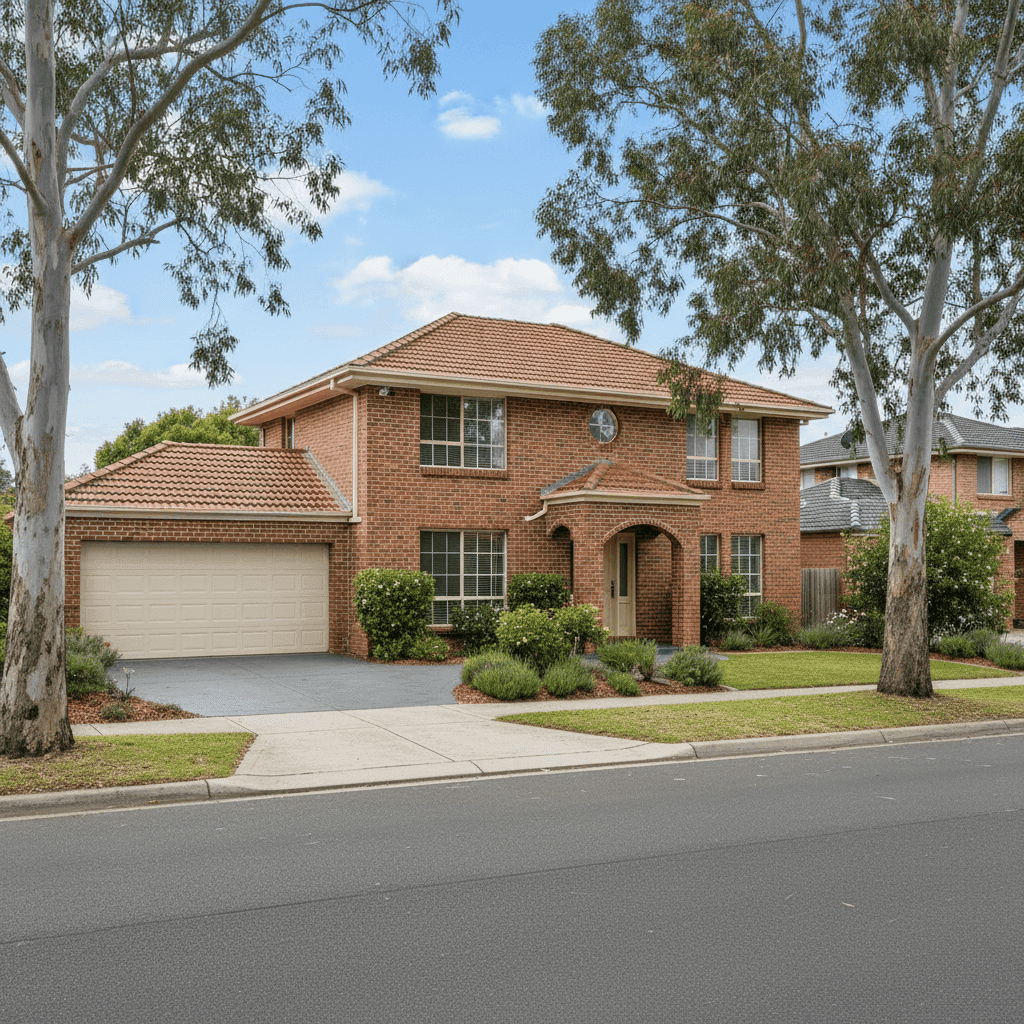
If you own a free standing home in Greenacre, NSW 2190, you're likely no stranger to the challenge of finding competitive home insurance. Greenacre is a well-established suburb in Sydney's inner-west, characterised by solid brick homes, mature streetscapes, and a strong sense of community. But with property values climbing and insurers recalibrating their risk models, knowing whether your premium is fair has never been more important.
This article breaks down a real home and contents insurance quote for a five-bedroom, three-bathroom free standing home in Greenacre — and puts it under the microscope against suburb, state, and national data.
---
Is This Quote Fair?
The quote in question comes in at $3,286 per year (or $315/month) for combined home and contents cover, with a building sum insured of $1,136,000 and contents valued at $101,000. Both the building and contents excess are set at $1,000.
Based on our pricing data, this quote is rated Expensive — above average for the area.
To put that in perspective: the average premium for comparable quotes in Greenacre sits at around $1,459/year, with a median of $1,267/year. That means this quote is more than double the local median. Even sitting at the 75th percentile of the suburb's price range ($1,746/year), this quote still comes in nearly $1,540 above that mark.
So what's driving the higher cost? The answer lies in a combination of the property's size, the high building sum insured, and certain construction features — all of which we'll unpack below.
---
How Greenacre Compares
Understanding where Greenacre sits in the broader insurance landscape is useful context for any homeowner. You can explore the full breakdown on our Greenacre suburb stats page.
| Benchmark | Average Premium | Median Premium |
|---|---|---|
| Greenacre (suburb) | $1,459/yr | $1,267/yr |
| Strathfield LGA | $1,418/yr | — |
| NSW (state) | $9,528/yr | $3,770/yr |
| National | $5,347/yr | $2,764/yr |
A few things stand out here. First, Greenacre's suburb averages are notably lower than both the NSW state average and the national average. This suggests that, on the whole, Greenacre is a relatively affordable suburb to insure — which makes the above-average quote in this case even more noteworthy.
The NSW state average of $9,528/year is heavily skewed upward by high-value properties and elevated-risk areas across the state (think flood-prone regional towns and coastal acreage). The national median of $2,764/year is a more realistic comparison point for most suburban homeowners. Against that benchmark, this quote at $3,286/year is still on the higher side, though less dramatically so.
It's worth noting that only 17 quotes were sampled for the Greenacre suburb data, so the local averages should be treated as indicative rather than definitive. As more data comes in, these figures will become more robust.
---
Property Features That Affect Your Premium
Several characteristics of this property have a direct bearing on the insurance cost:
Size and Sum Insured
At 367 square metres, this is a large home by any measure. The building sum insured of $1,136,000 reflects the cost to rebuild a property of this size and quality from scratch — and that figure is the single biggest driver of the premium. Larger homes cost more to rebuild, so they cost more to insure. It's that straightforward.
Brick Veneer Construction
Brick veneer walls are generally viewed favourably by insurers. They offer solid fire resistance and durability, which can help moderate premiums compared to timber-framed or clad alternatives. However, they can be more expensive to repair when damage does occur, which insurers factor into their calculations.
Tiled Roof
A tiled roof is considered a low-to-moderate risk roofing type. Tiles are durable and long-lasting, though they can be susceptible to cracking under impact (such as hail) and may be costly to replace. Overall, a tiled roof is a neutral-to-positive factor for insurance pricing.
Stump Foundation
The property sits on stumps, which is worth noting. Stump foundations can be a flag for some insurers, particularly in areas where soil movement or subsidence is a concern. They may also affect claims related to underfloor damage. This could be a contributing factor to the premium.
Ducted Climate Control
The inclusion of ducted climate control adds to the replacement value of the home's fixtures and fittings. Systems like these can be expensive to repair or replace, and insurers will account for this in the overall building sum insured.
No Pool, No Solar
The absence of a pool and solar panels removes two common sources of additional risk and liability from the equation — a minor but positive factor in keeping the premium from climbing even higher.
---
Tips for Homeowners in Greenacre
If you're looking to get better value from your home insurance, here are four practical steps worth considering:
- Review your sum insured carefully. A building sum insured of over $1.1 million is significant. Make sure this figure accurately reflects the rebuild cost — not the market value — of your home. Overinsuring is a common and costly mistake. Tools like a quantity surveyor's assessment or an online rebuild calculator can help you land on the right number.
- Compare quotes across multiple insurers. The Greenacre market shows meaningful price variation, with quotes ranging from around $882/year at the 25th percentile to $1,746/year at the 75th percentile. That's a wide spread, and shopping around can make a real difference. Get a comparison quote through CoverClub to see what's available for your property.
- Ask about bundling discounts. Many insurers offer reduced premiums when you combine home and contents cover under a single policy — which this quote already does. If you're currently holding separate policies, consolidating them could deliver savings.
- Consider your excess level. Both excesses here are set at $1,000. Opting for a higher voluntary excess can reduce your annual premium, provided you're comfortable covering more out of pocket in the event of a claim. This is a worthwhile trade-off for homeowners with a solid emergency fund.
---
Compare Your Options with CoverClub
Whether this quote reflects your own situation or you're simply doing your research, the best way to know if you're getting a fair deal is to compare. CoverClub makes it easy to benchmark your premium against real data from across your suburb, state, and the country.
Start your comparison today at CoverClub — it takes just a few minutes, and you might be surprised by how much you could save.