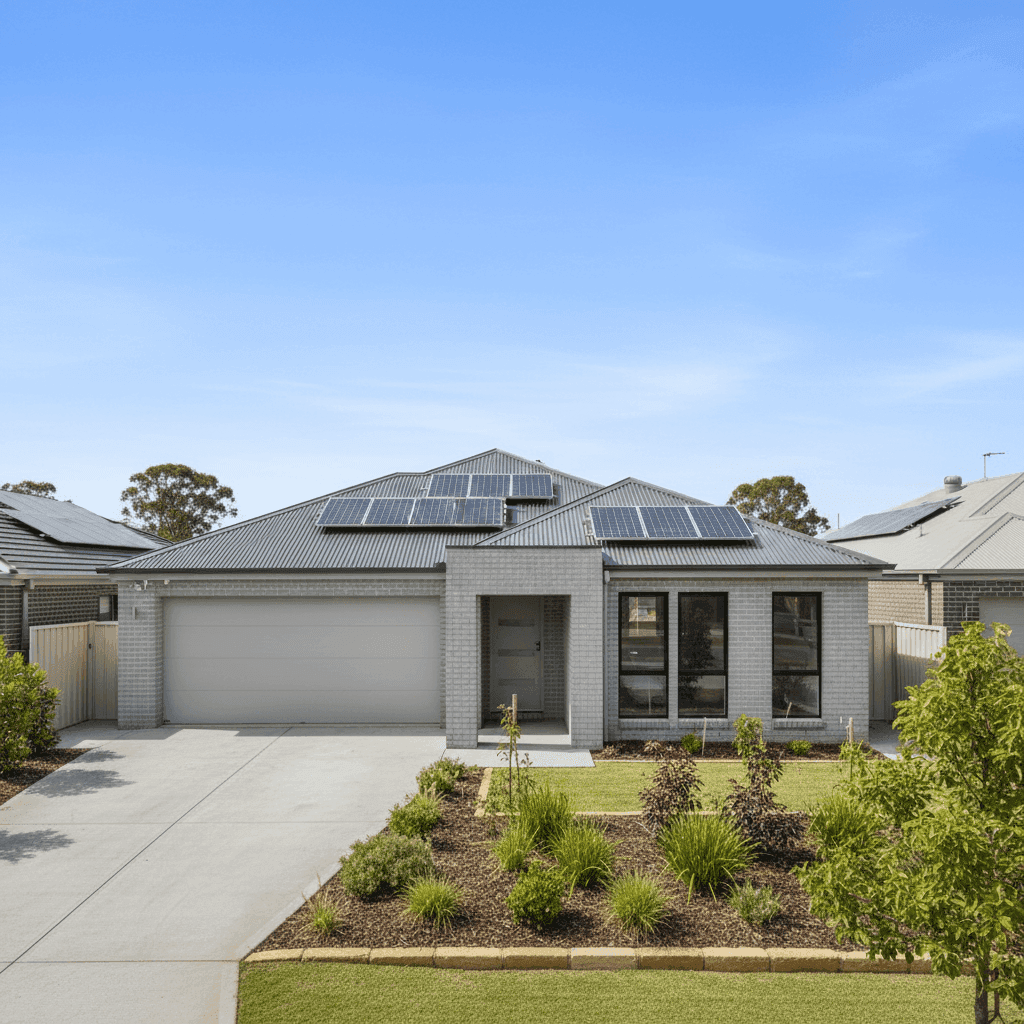
Greenbank is a quiet, family-friendly suburb in the Ipswich local government area of South East Queensland. Known for its leafy streets and relatively modern housing stock, it attracts buyers looking for space and value within commuting distance of Brisbane. But when it comes to home insurance, how much should homeowners here expect to pay — and is a quote of $6,576 per year reasonable for a four-bedroom free standing home? Let's break it down.
---
Is This Quote Fair?
The short answer: this quote is expensive. Based on data collected from 140 quotes in the Greenbank area, the suburb average annual premium sits at $2,877, with a median of $2,588. The quote in question — at $6,576 per year (or $644/month) — is more than double the suburb average and sits well above the 75th percentile of $3,860.
That said, it's worth understanding why this premium is elevated before assuming the policy is poor value. Several factors specific to this property — which we'll cover below — likely contribute to the higher figure.
At the Queensland state level, the average premium is $4,547/year, with a median of $3,931. Even by QLD standards, which are generally higher than the rest of Australia due to weather-related risk, this quote exceeds the state average by around 45%. Nationally, the average home insurance premium is $2,965/year, meaning this quote is more than twice the national average.
---
How Greenbank Compares
To put the numbers in context, here's a snapshot of how premiums stack up across different benchmarks:
| Benchmark | Average Premium | Median Premium |
|---|---|---|
| Greenbank (4124) | $2,877/yr | $2,588/yr |
| Ipswich LGA | $3,034/yr | — |
| Queensland | $4,547/yr | $3,931/yr |
| National | $2,965/yr | $2,716/yr |
| This Quote | $6,576/yr | — |
Greenbank actually fares reasonably well compared to the broader QLD average — premiums in the suburb are notably lower than the state figure, which reflects the area's lower exposure to cyclone risk and its relatively modern housing stock. However, this particular quote lands significantly above all benchmarks, suggesting the property's specific characteristics or the insurer's pricing model are driving the cost up considerably.
---
Property Features That Affect Your Premium
Several attributes of this property are worth examining through an insurance lens:
Building Sum Insured: $801,000 This is one of the most significant cost drivers. At 214 sqm, the building sum insured works out to roughly $3,743 per square metre — which is on the higher end but not unreasonable for a quality new build with standard fittings. Insurers calculate replacement cost based on current construction rates, and with building costs having risen sharply across Australia in recent years, a higher sum insured is often justified. That said, it's worth periodically reviewing whether your sum insured reflects actual rebuild costs rather than market value.
Construction Year: 2014 A home built in 2014 benefits from modern building codes, which generally means better structural integrity and compliance with updated wind and flood resistance standards. This typically works in a homeowner's favour when it comes to premiums.
Brick Veneer Walls & Colorbond Roof Brick veneer is generally viewed favourably by insurers — it's durable, fire-resistant, and low maintenance. A steel/Colorbond roof is similarly well-regarded for its longevity and resistance to weather events. These construction materials are unlikely to be inflating the premium.
Slab Foundation Concrete slab foundations are standard in Queensland and are generally considered a neutral or positive factor for insurers, particularly in areas without significant flood risk.
Solar Panels The property has solar panels installed, which can add a small amount to the insured value of the home and may marginally affect the premium. Insurers typically cover solar panels as part of the building, so it's important to ensure they're included in your sum insured calculation.
Contents Value: $50,000 The contents cover of $50,000 is relatively modest for a four-bedroom home. Many households underestimate the total replacement value of their belongings — furniture, appliances, clothing, electronics, and more can add up quickly. It may be worth reviewing whether this figure is adequate.
No Pool, No Ducted Climate Control, No Cyclone Risk The absence of a pool removes a common liability concern. The property also falls outside a designated cyclone risk zone, which is a meaningful factor in QLD — cyclone-prone areas can attract significantly higher premiums.
---
Tips for Homeowners in Greenbank
1. Shop around and compare multiple quotes The gap between this quote and the suburb median is substantial. Insurers price risk differently, and premiums for the same property can vary by hundreds — or even thousands — of dollars. Using a comparison tool like CoverClub makes it easy to see multiple options side by side.
2. Review your sum insured carefully Make sure your building sum insured reflects the actual cost to rebuild your home — not its market value. Overcovering can unnecessarily inflate your premium, while undercovering leaves you exposed. A quantity surveyor or your insurer's rebuild cost calculator can help you land on the right figure.
3. Consider your excess strategically This policy carries a $2,000 building excess and a $1,000 contents excess. Opting for a higher voluntary excess is one of the most straightforward ways to reduce your annual premium. If you're unlikely to make small claims, a higher excess can deliver meaningful savings.
4. Bundle your cover thoughtfully Combined home and contents policies (like this one) can offer convenience and sometimes a discount over separate policies. However, it's still worth comparing bundled versus separate options to ensure you're getting genuine value — not just a bundled price that's higher overall.
---
Ready to Find a Better Deal?
Whether you're a Greenbank local or researching home insurance across South East Queensland, CoverClub makes it simple to compare quotes and understand what drives your premium. Visit coverclub.com.au to get a quote tailored to your property, or explore the Greenbank suburb insurance stats to see how your current premium stacks up against your neighbours.