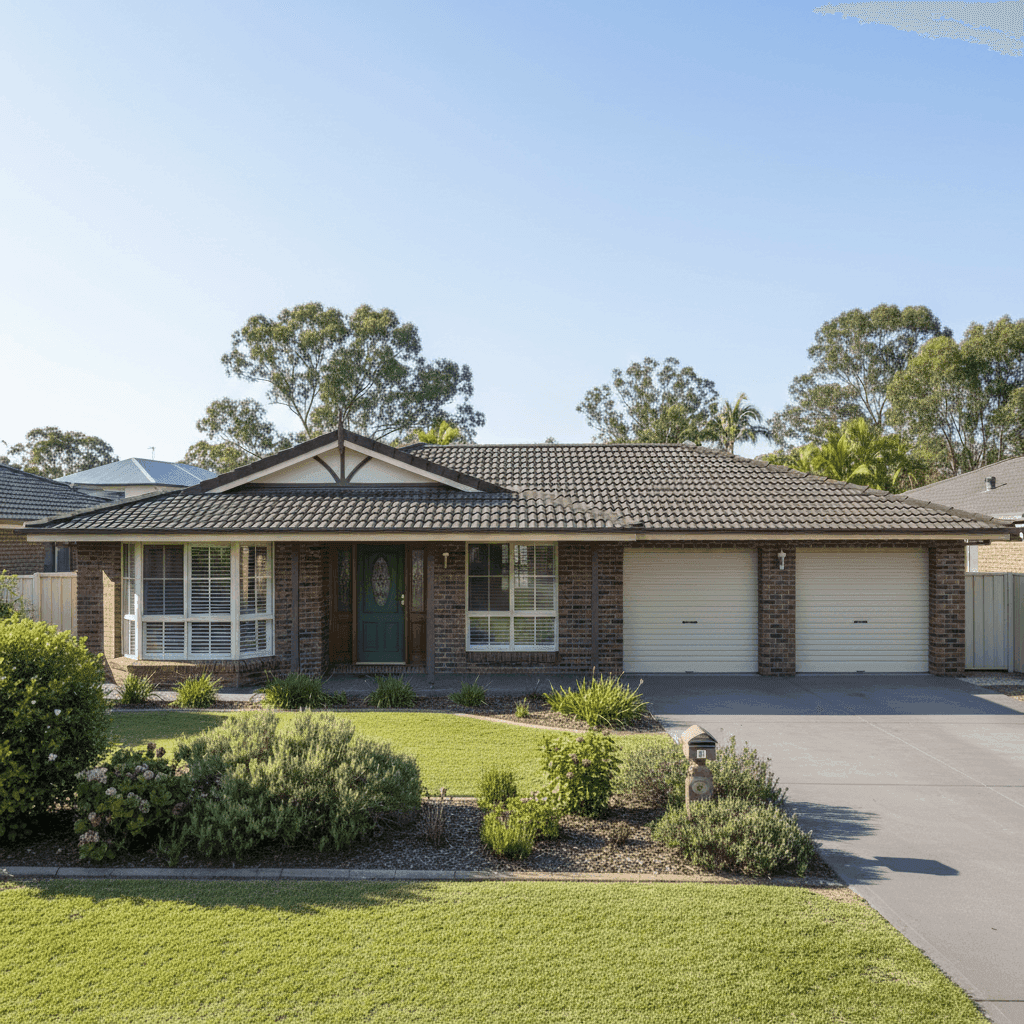
If you own a free standing home in Greenlands, QLD 4380, you've probably wondered whether you're paying too much — or too little — for home insurance. This article breaks down a real home and contents insurance quote for a four-bedroom, two-bathroom brick veneer home in the area, and puts it in context against local, state, and national benchmarks. Whether you're shopping around for the first time or reviewing an existing policy, this analysis will help you make a more informed decision.
---
Is This Quote Fair?
The annual premium for this property came in at $2,848 per year (or $290 per month), covering both building (sum insured: $728,000) and contents ($120,000). Our pricing engine has rated this quote as CHEAP — below average for the area.
That's a meaningful finding. In Queensland, home insurance premiums have attracted significant attention in recent years due to the state's elevated exposure to extreme weather events, including flooding, storms, and hail. Many Queensland homeowners are paying well above the national norm, so landing a below-average quote is genuinely good news for this property.
The building excess on this policy sits at $3,000 — which is on the higher side — while the contents excess is a more modest $500. It's worth keeping in mind that a higher building excess is one of the levers insurers (and policyholders) use to bring premiums down. If the excess were lower, the annual cost would likely be higher.
Overall, at $2,848 per year for combined home and contents cover on a 214 sqm property, this quote represents solid value by most measures.
---
How Greenlands Compares
To understand just how competitive this quote is, it helps to look at the broader data landscape.
| Benchmark | Annual Premium |
|---|---|
| This Quote | $2,848 |
| LGA (Tenterfield) Average | $4,013 |
| QLD State Average | $9,129 |
| QLD State Median | $3,903 |
| National Average | $5,347 |
| National Median | $2,764 |
A few things stand out here. The Queensland state average of $9,129 per year is extraordinarily high — more than three times this quote — which reflects the disproportionate insurance burden carried by many Queensland homeowners, particularly those in cyclone-prone or flood-affected regions. The state median of $3,903 is a more grounded figure, and this quote sits comfortably below it.
Compared to the national average of $5,347 and the national median of $2,764, this premium is well-positioned. It's slightly above the national median, but that's to be expected given Queensland's generally higher risk profile.
At the LGA level, the Tenterfield local government area (which encompasses Greenlands) has an average premium of $4,013 — and this quote beats that benchmark by over $1,100 per year. You can explore more localised pricing data on the Greenlands suburb stats page.
---
Property Features That Affect Your Premium
Insurance premiums aren't plucked from thin air — they're calculated based on a detailed assessment of the property's characteristics. Here's how the features of this particular home likely influence the quote.
Brick Veneer Construction
Brick veneer walls are generally viewed favourably by insurers. They offer good fire resistance and structural durability compared to timber or fibro cladding. This likely contributes to a more competitive premium.
Tiled Roof
A tiled roof is a standard, well-regarded roofing material in Australia. Tiles are durable and have solid fire resistance ratings, which helps keep premiums in check. They can be more susceptible to hail damage than Colorbond, but overall they're considered a low-to-moderate risk roofing type.
Slab Foundation
Concrete slab foundations are common in Queensland homes built from the 1980s onwards and are generally considered stable and low-risk by underwriters. This is a neutral-to-positive factor for pricing.
1998 Construction Year
At around 26 years old, this home falls into a middle-age bracket. It's old enough that some systems (plumbing, electrical) may warrant attention, but it's also post the era of many substandard building practices. Insurers typically view homes of this era as moderate risk.
No Pool, No Solar, No Ducted Climate Control
The absence of a pool, solar panels, and ducted air conditioning simplifies the risk profile for insurers. Each of these features can add complexity — pools introduce liability considerations, solar panels add replacement cost, and ducted systems can be expensive to repair. Without them, the insurer's exposure is more straightforward.
Standard Fittings Quality
Standard-grade fittings mean the cost to repair or replace internal fixtures is predictable and moderate. High-end or bespoke fittings can significantly increase the cost of a claim, so standard fittings generally support a lower premium.
---
Tips for Homeowners in Greenlands
Even with a competitive quote in hand, there are always ways to optimise your cover and protect your home more effectively.
1. Review your sum insured regularly Building costs in regional Queensland have risen considerably in recent years. A sum insured of $728,000 for a 214 sqm home may be appropriate today, but it's worth recalculating your rebuild cost annually — ideally using an independent building cost estimator — to ensure you're not underinsured.
2. Consider the trade-off on your building excess The $3,000 building excess on this policy is helping to keep the annual premium down. That said, if a claim arises, you'll need to cover that amount out of pocket before insurance kicks in. Make sure you have that buffer available, or consider whether a lower excess (at a slightly higher premium) better suits your financial situation.
3. Document your contents thoroughly With $120,000 in contents cover, it's important to have an up-to-date home inventory. Photograph valuable items, keep receipts where possible, and store records securely off-site or in the cloud. This makes the claims process significantly smoother if you ever need to use it.
4. Stay on top of home maintenance Insurers can reduce or deny claims if damage is attributed to poor maintenance rather than a sudden insured event. Regularly inspect your roof tiles, gutters, and external walls for wear and address issues promptly. This is especially relevant in a region that can experience significant storm activity.
---
Compare Your Options with CoverClub
A below-average quote is a great starting point, but the insurance market is competitive and premiums can vary widely between providers for the same property. At CoverClub, we make it easy to compare home and contents insurance quotes side by side so you can be confident you're getting the right cover at the right price. Get a quote today and see how your current policy stacks up.