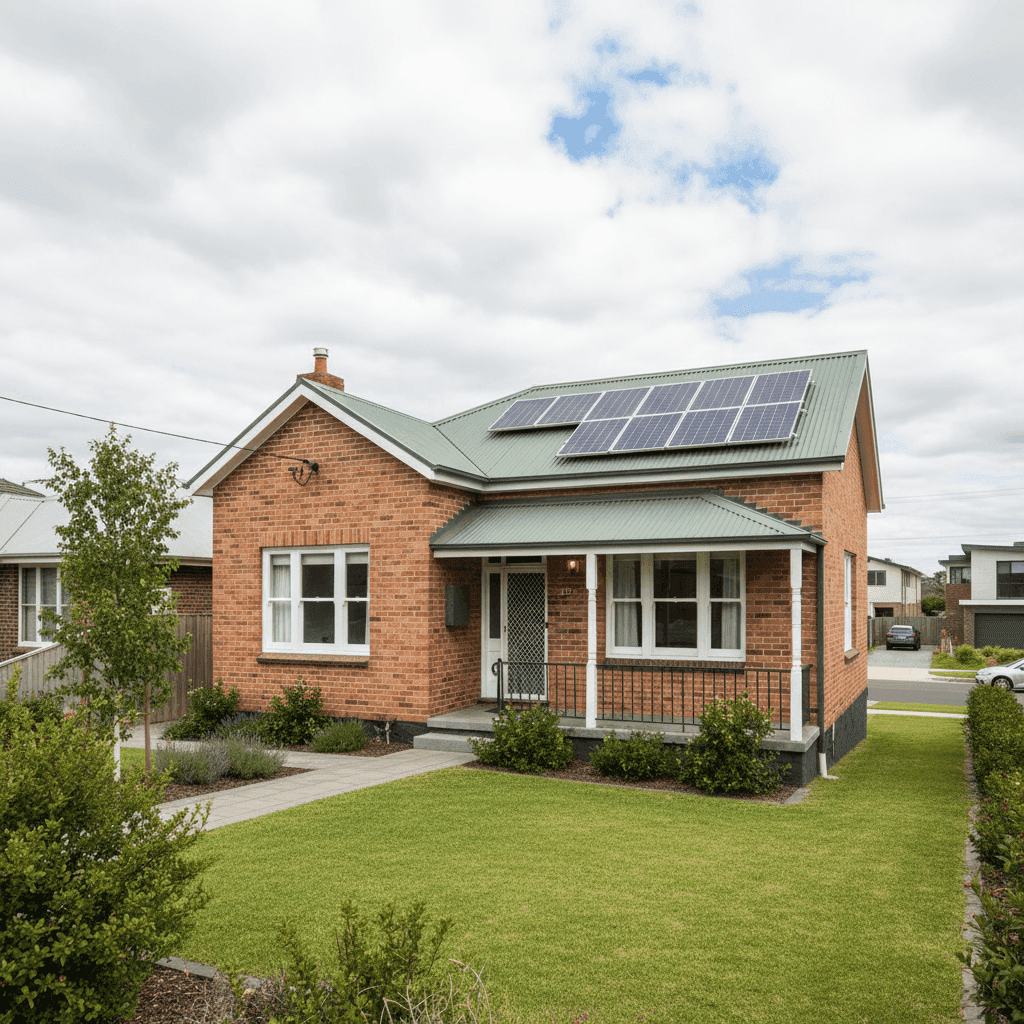
Greensborough, nestled in Melbourne's north-eastern suburbs within the Nillumbik local government area, is a well-established residential neighbourhood known for its leafy streets and family-friendly character. For owners of a free standing home here, understanding what drives your home insurance premium — and whether you're paying a fair price — can make a meaningful difference to your household budget. This article breaks down a recent Home and Contents insurance quote for a three-bedroom, two-bathroom free standing home in Greensborough (postcode 3088) and puts it in context against local, state, and national benchmarks.
---
Is This Quote Fair?
The quote in question comes in at $3,362 per year (or $329 per month), covering a building sum insured of $1,000,000 and contents valued at $144,000, each with a $1,000 excess.
Our price rating for this quote is Expensive (Above Average).
To understand why, it helps to look at what other Greensborough homeowners are paying. Based on 68 quotes collected for the Greensborough area, the suburb average sits at $1,848 per year, with a median of $1,733. The 25th percentile (the cheaper end of the market) is $1,531, while the 75th percentile reaches $2,103. At $3,362, this quote sits well above the suburb's 75th percentile — meaning it's more expensive than at least three-quarters of comparable quotes in the area.
That said, context matters. The building sum insured here is $1,000,000, which is on the higher end and will naturally push the premium upward. A higher sum insured means greater potential liability for the insurer, and that cost is passed on in the premium. If your home could be rebuilt for significantly less, reviewing your sum insured could be one of the most effective ways to bring your annual cost down.
---
How Greensborough Compares
Zooming out to a broader view paints an interesting picture:
| Benchmark | Average Premium | Median Premium |
|---|---|---|
| Greensborough (3088) | $1,848/yr | $1,733/yr |
| Nillumbik LGA | $3,693/yr | — |
| Victoria (VIC) | $3,000/yr | $2,718/yr |
| National | $5,347/yr | $2,764/yr |
A few things stand out here. First, Greensborough's suburb-level averages are notably lower than both the Victorian state average of $3,000 and the Nillumbik LGA average of $3,693. This suggests that while Greensborough itself is relatively affordable within the postcode, properties across the broader Nillumbik council area — which includes more bushfire-exposed localities — tend to attract higher premiums.
At the national level, the average premium of $5,347 is heavily skewed by high-risk regions such as Far North Queensland and flood-prone areas in NSW and QLD. The national median of $2,764 is a more representative figure for typical Australian homeowners.
For this particular quote, the $3,362 annual premium exceeds the Victorian average but remains below the Nillumbik LGA average — suggesting the property's specific features and sum insured are key drivers, rather than location risk alone.
---
Property Features That Affect Your Premium
Several characteristics of this property have a direct bearing on the insurance premium:
Double Brick Construction Double brick walls are generally viewed favourably by insurers. They offer strong resistance to fire, wind, and impact damage, which can help moderate premiums compared to lighter timber-frame construction. This is a genuine asset when it comes to pricing.
Steel/Colorbond Roof Colorbond steel roofing is another positive signal for insurers. It's durable, fire-resistant, and low-maintenance — all factors that reduce the likelihood of weather-related claims. Compared to older terracotta or concrete tiles, Colorbond roofs tend to attract more competitive premiums.
Stump Foundation & Elevated Position The home sits on stumps and is elevated by less than one metre. While this style of construction is common in older Melbourne homes built around 1980, it does introduce some nuance. Elevated homes can be more vulnerable to subfloor wind damage, and stump foundations may require periodic maintenance. Insurers may factor this into their risk assessment, particularly for storm and flood scenarios.
Above Average Fittings Quality The property is noted as having above-average fittings — think quality kitchen appliances, premium bathroom fixtures, and higher-end finishes. While this reflects the true replacement cost of the home, it does contribute to a higher building sum insured and, consequently, a higher premium.
Solar Panels With solar panels installed, there's an additional asset to protect. Most home insurance policies cover solar panels as part of the building, but it's worth confirming this with your insurer. Solar systems can add to the overall replacement cost of the home.
Ducted Climate Control Ducted heating and cooling systems are a significant fixed asset and are typically covered under the building component of a home insurance policy. Their inclusion contributes to the overall rebuild cost estimate.
1980 Construction Homes built in 1980 are now over four decades old. While double brick construction ages well, older properties can carry higher reinstatement costs due to the need to meet current building codes during any rebuild. This is a common driver of higher sums insured for period homes.
---
Tips for Homeowners in Greensborough
1. Review Your Sum Insured At $1,000,000, the building sum insured is substantial. Consider using a professional building cost calculator or engaging a quantity surveyor to verify whether this figure accurately reflects your home's rebuild cost — not its market value. Over-insuring can mean unnecessarily high premiums year after year.
2. Compare Quotes Regularly Insurance markets are competitive, and premiums can vary significantly between providers for the same property. Even if you've been with the same insurer for years, it pays to shop around annually. CoverClub makes it easy to compare quotes in minutes.
3. Consider Your Excess Both the building and contents excess are set at $1,000. Opting for a higher excess — say $2,000 or $2,500 — can meaningfully reduce your annual premium. Just make sure you're comfortable covering that amount out of pocket in the event of a claim.
4. Check Your Contents Coverage With $144,000 in contents cover, it's worth doing a periodic audit of your belongings. Both under-insuring and over-insuring contents are common pitfalls. A detailed home inventory — room by room — helps ensure your coverage reflects reality and avoids surprises at claim time.
---
Ready to Find a Better Deal?
Whether this quote is right for your situation depends on your individual circumstances, risk tolerance, and what other insurers are offering. The best way to know if you're getting value is to compare. Visit CoverClub to get a tailored home and contents insurance quote for your Greensborough property — it takes just a few minutes and could save you hundreds each year. You can also explore detailed insurance stats for Greensborough and the 3088 postcode to see how your premium stacks up against your neighbours.